Alabama football transfer portal criticisms and strength program debate: Why Bama’s culture is on trial
The Alabama football transfer portal criticisms and strength program debate has exploded this spring. Former players openly questioned the weight room culture, and therefore the program’s identity. Earl Little Jr.’s comments about competition in the weight room reignited debate. Moreover, Ha Ha Clinton-Dix and Alphonse Taylor fired back, creating a loud public spat.
This controversy matters because it cuts to recruiting and roster construction. The transfer portal now drives personnel decisions across college football. Consequently, critics ask whether Alabama’s strength and conditioning standards match modern expectations. The debate includes concerns about weight room competition, coaching methods, and daily accountability.
I argue that this is more than noise from former players. Alabama’s reputation faces tangible risk, because recruits and transfers watch every signal. However, fans should avoid overreaction to individual remarks. The program still has elite resources and coaching, but accountability gaps deserve scrutiny.
Read on for a deeper look at how transfers, spring practice, and ex-players shape Alabama’s future. In the following sections, I will analyze evidence, weigh competing claims, and propose practical steps. Ultimately, this drama could reshape the Crimson Tide’s recruiting and conditioning approach.
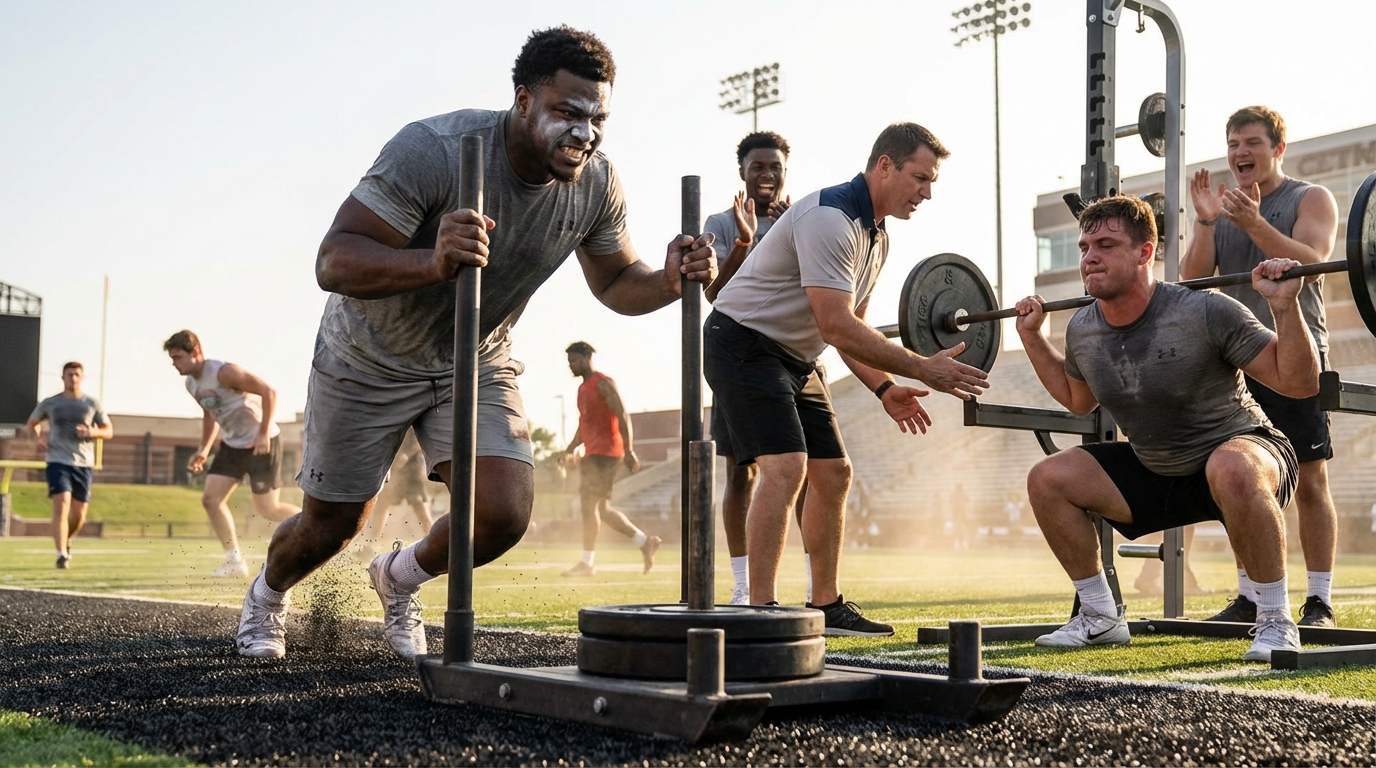
Alabama football transfer portal criticisms and strength program debate: former players speak out
Earl Little Jr. ignited the debate with blunt language about Alabama’s weight room culture. He said, “At Alabama, we didn’t compete in the weight room how we do here. Literally, with everything you’re doing at Ohio State, you’re gonna compete, and you have to be your best every single day.” His comments cut to the core of the transfer portal conversation. Because transfers now chase daily development, his voice carries extra weight.
However, not everyone accepts Little’s framing. Ha Ha Clinton-Dix pushed back on X and suggested the quote might not be credible. He added that Little left Alabama three years ago and urged fans to question the narrative. Meanwhile, Alphonse Taylor accused some ex-players of grandstanding. He wrote, “It’s always the ones who didn’t do anything during their time at Bama with the most to say… never fails… Caleb Downs didn’t talk like that I wonder why….” These rebuttals complicate the story and therefore demand careful parsing.
This dispute matters beyond locker-room pride. The transfer portal changes roster strategy because players move freely. Consequently, institutional culture matters more than ever. If recruits believe Alabama lacks daily weight room competition, some may look to programs with visible S&C intensity. As a result, Alabama faces reputational risk in seeking top transfers.
Evidence remains mixed and largely anecdotal. Alabama finished its twelfth spring practice ahead of A-Day, and David Ballou remains listed as strength coach. Yet the question stands: does perception match reality? Moreover, isolated quotes cannot capture the daily grind that shapes a program. Still, consistent negative claims from recent transfers require response.
In my view, this is a warning sign, not a death knell. Alabama still has elite coaching and resources. However, the program should respond with transparency and concrete change. Practical steps include clearer strength and conditioning benchmarks, public accountability for daily competition, and improved messaging to recruits. If Alabama acts, it can convert controversy into competitive advantage.
Alabama football transfer portal criticisms and strength program debate: program comparison
Below is a concise comparison of Alabama, Ohio State, and Florida State. The table highlights coaching, competition level, transfer portal behavior, player outcomes, and common criticisms. This snapshot clarifies how weight room culture and transfer activity shape reputations.
| Program | Strength coach | Weight room competition | Transfer portal activity | Notable player outcomes | Common criticisms | Typical response or visibility |
|---|---|---|---|---|---|---|
| Alabama Crimson Tide | David Ballou (listed strength coach) | High historically; disputed by recent transfers | Heavy recruiting plus frequent high-profile departures and arrivals | Consistent NFL draft picks; strong player development track record | Claims of reduced daily weight room competition from some ex-players; image risk in portal era | Program emphasizes resources and coaching but faces calls for more transparency |
| Ohio State Buckeyes | Established S&C staff with national reputation | Very high; former players cite intense daily competition and accountability | Active portal presence with targeted incoming transfers | Frequent CFP appearances and recent national titles; strong pro pipeline | Seen as blueprint for daily competition; attracts players seeking S&C intensity | Uses visible conditioning culture as a recruiting advantage |
| Florida State Seminoles | Competitive S&C staff aligned with program rebuild | Moderate to high; rising emphasis on strength work | Strategic portal additions to fill roster gaps | Improved on-field results; key transfers have impacted games | Less questioned publicly; benefits when transfers deliver immediate results | Highlights recent wins and transfer success to recruit more talent |
This table pairs observable outcomes with reported perceptions and therefore helps explain why former players’ critiques matter. As a result, programs must manage both reality and reputation. For Alabama specifically, competing narratives about the weight room can influence future transfers and recruiting decisions.
Alabama football transfer portal criticisms and strength program debate: spring practice insights and offseason implications
Observations
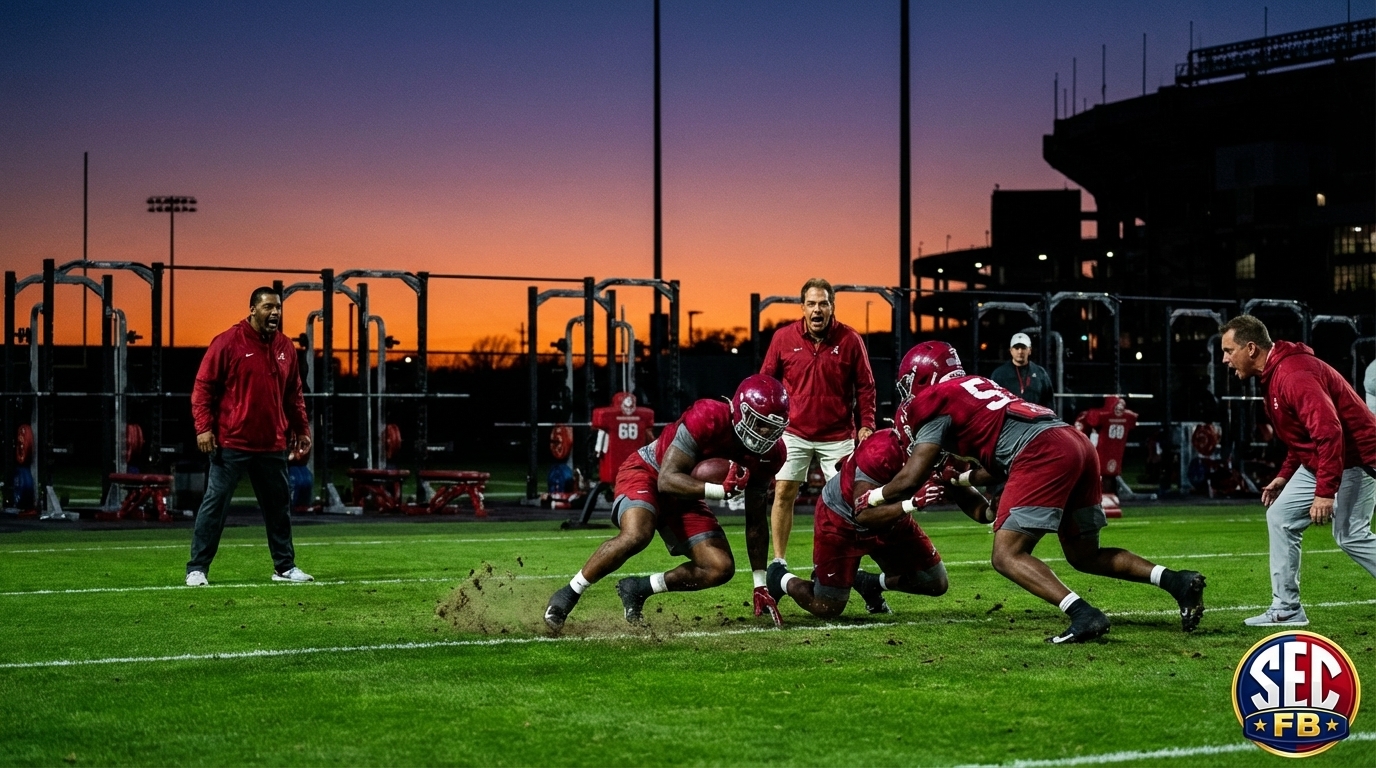
Alabama closed its twelfth spring practice ahead of A-Day. Coaches ran standard periods and position battles. Nick Saban was visible on the field. David Ballou remained listed as strength coach. Former players like Earl Little Jr. changed the offseason narrative.
Several patterns stood out. Spring installation and technique work showed continuity. On-field conditioning appears consistent with prior years. At the same time, repeated anecdotal critiques about daily weight room intensity surfaced from recent transfers. That perception gap now overlaps with transfer portal activity and media coverage.
Implications for recruiting
Perception matters as much as performance. When recruits and portal entrants read claims about reduced S&C intensity they may prioritize programs with visible accountability. This influences roster construction and talent flows. Moreover, inconsistent public messages can magnify reputational risk and push borderline targets elsewhere.
Recommendations
Make accountability visible and measurable. Consider two concrete actions.
- Publish quarterly S&C reports listing team averages and trends for key metrics such as 1RM squat, 1RM bench, 40 yard dash, vertical jump, and sprint times. Show baseline and percent change to quantify development.
- Implement standardized monthly performance tests and share anonymized aggregate results with recruits and media. Use GPS and force plate data when available to validate conditioning and recovery protocols.
These steps improve transparency, reinforce daily competition, and supply recruits with verifiable evidence of player development. Combined with consistent on-field coaching messages, they will help close the perception gap in the portal era.
Alabama football transfer portal criticisms and strength program debate: final take
The Alabama football transfer portal criticisms and strength program debate has exposed a real reputational fault line. Former players like Earl Little Jr. made blunt claims about daily weight room competition. Others pushed back, with Ha Ha Clinton-Dix and Alphonse Taylor defending the program and its standards. Spring practice under Nick Saban and work overseen by David Ballou showed continuity, but perception matters.
The transfer portal amplifies every whisper about culture and coaching. Consequently, Alabama risks losing recruits who seek visible daily competition and measurable strength gains. Therefore, data and transparency will defuse much of the noise. I recommend clear S&C benchmarks, published recovery protocols, and aligned on-field coaching goals.
This debate will test Alabama’s ability to manage narrative and substance at once. If Bama responds with measurable change, it will neutralize critics and regain recruiting momentum. Follow further analysis at SECFB.com and on X @ZachGatsby for ongoing coverage and sharp takes.
Frequently Asked Questions
What is the Alabama football transfer portal criticisms and strength program debate about?
The debate centers on former players claiming Alabama’s daily weight room intensity lags behind rivals. Earl Little Jr. argued Ohio State demands harder daily competition. Conversely, defenders such as Ha Ha Clinton-Dix and Alphonse Taylor say critics overstate or misrepresent the program. In short, the argument mixes perception, transfers, and strength and conditioning culture.
How does the transfer portal affect Alabama’s roster and reputation?
The portal lets players leave and join programs quickly. As a result, reputational claims travel fast and influence recruits. Therefore, negative perceptions about S&C routines can steer transfers toward programs seen as tougher. Alabama now must manage both on-field development and public messaging.
Are the strength coaching controversies based on evidence or mainly anecdotes?
Most public claims remain anecdotal and come from recent transfers. However, repeated anecdotes merit investigation because they affect recruiting. Consequently, Alabama should release measurable S&C benchmarks to address doubts. That approach would turn opinion into verifiable fact.
What role did spring practice and coaches like Nick Saban and David Ballou play?
Spring practice showed continuity under Nick Saban, while David Ballou remained the listed strength coach. Yet perception gaps created by ex-player statements wider the conversation. Therefore, coaches must align installation work with visible conditioning standards.
What should recruits and fans watch for next?
Watch transfer movement, public strength metrics, and A-Day reports for clearer signals. Moreover, look for any transparency moves from Alabama, like published benchmarks or S&C progress updates. Ultimately, those steps will decide if this controversy fades or reshapes recruiting.