
Kentucky football spring game concerns: Cautious takeaways from Kroger Field
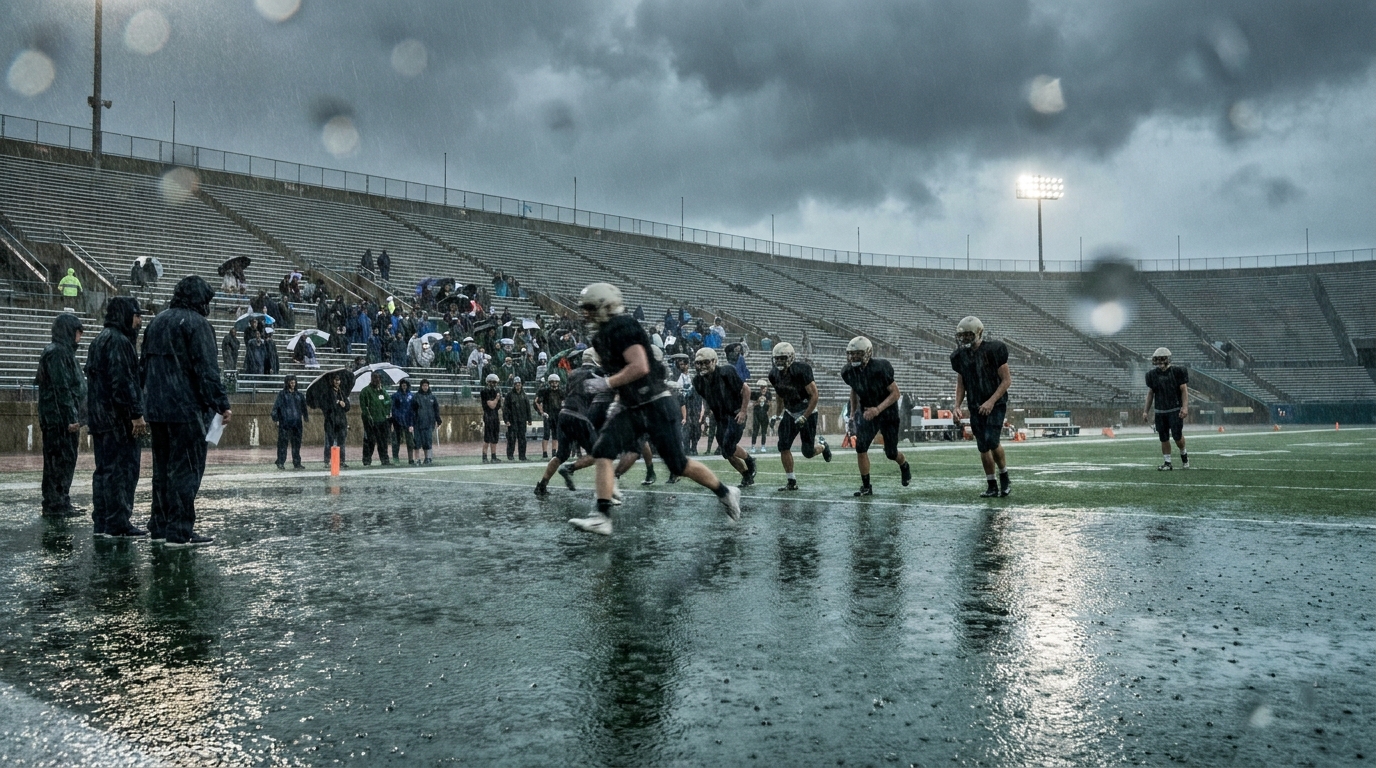
Kentucky football spring game concerns were front and center at Kroger Field on Saturday. Rain shortened the scrimmage, and coaches sat key players to protect them. As a result, fans left with mixed feelings.
The biggest worry remains roster availability because injuries have dogged this group. In particular, the absences of Nic Anderson, Lance Heard, Jovantae Barnes, and CJ Baxter raised questions about depth. Yet the staff’s decision to hold players out also showed prudence.
On the bright side, young players flashed promise. Kenny Minchey showed mobility and pocket feel in limited action, and Shane Carr delivered a trick-play touchdown to Kenny Darby. Therefore, recruiting wins and the underclassmen’s growth provide reasons for guarded optimism.
However, the offensive line will need work. Interior play looked solid, but tackles struggled to contain outside speed rush. Consequently, edge protection and tackle play should be priorities heading into summer. Ultimately, Will Stein’s vision depends on health and execution, and so monitoring recovery will matter most.
Kentucky football spring game concerns: Absences, history and roster strategy
The spring scrimmage highlighted legitimate Kentucky football spring game concerns about availability. Coaches sat 15 players, and so depth questions surfaced quickly. Notably, Nic Anderson and Lance Heard did not play. Jovantae Barnes and CJ Baxter also watched from the sideline, and that history matters.
Why the caution mattered
- Coaches prioritized long term health, therefore they held starters out to limit risk.
- Fifteen players sat the scrimmage, which hampered a full evaluation of starters and depth.
- Nic Anderson remained unavailable, and that left the receiving corps thinner than expected.
- Lance Heard also missed the action, creating questions at an important spot on the roster.
Impact of injury history
The harsh reality is that injury history has limited the ceiling for some players. For example, Jovantae Barnes and CJ Baxter have missed time in past seasons. Consequently, their availability remains a wildcard for the fall. Teams must plan for that uncertainty, and so Kentucky’s staff appears to be doing just that.
Protecting the roster while evaluating talent
- Stein and staff used the spring game to shield key contributors. As a result, some matchups went unresolved.
- The decision to pull players is a strategy to preserve roster availability for the SEC grind. Therefore, the short-term lack of data may pay dividends later.
- Meanwhile, backups received reps and showed glimpses worth tracking. Kenny Minchey displayed mobility and pocket awareness in limited time. Shane Carr executed a trick play to Kenny Darby, which provided optimism.
Good news in bad weather
“Best of all, though? The team escaped with no new injuries.” That line matters because Kentucky can now focus on recovery and technique. However, tackle play remains a concern against outside speed rush. Interior line play looked better, but edge protection needs work.
What to watch next
- Monitor rehab updates for Anderson, Barnes and Baxter.
- Track tackle development and edge protection through spring drills and fall camp.
- Check staff decisions on load management, since roster availability will shape execution.
For context on how spring depth impacts a roster elsewhere, see this inbound link: Alabama Spring Depth and Transfers and follow official team updates at UK Athletics. For local reporting and game details, visit Kentucky Sports.
Kentucky football spring game concerns: Offensive line performance breakdown
Below is a clear comparison of interior line stability versus tackles’ struggles against outside speed rush. The table highlights contributions, challenges, and follow-up actions.
| Area | Key Strengths | Key Challenges | Notable players and notes | Immediate action items |
|---|---|---|---|---|
| Interior line | Strong push in short yardage and inside pass sets. | Limited testing due to shortened scrimmage and absences. | Unit played with cohesion; names to watch include Tristan Hughes and Joe Sloan as rotational contributors. | Maintain technique work, increase contact reps in drills, and monitor depth behind starters. |
| Tackles and edge protection | Occasional successful sets versus straight-line rushers. | Frequently struggled to contain outside speed rush and wider angles. Footwork slipped in wet conditions. | Tackle rotation struggled; coaches flagged outside protection as a concern. Monitor tackle reps and evaluate competition. | Prioritize quick feet drills, one-on-one pass-rush work, and simulated game speed practice. Consider adding depth via recruiting or the transfer portal. |
Overall, interior stability offers a base for improvement. However, edge protection demands focused work. Therefore, Will Stein’s staff will likely emphasize tackle development and roster availability. Consequently, protecting the quarterback remains essential for the offense to execute its vision.
Kentucky football spring game concerns: Stein’s coaching strategy and early blueprint
Will Stein used the spring game as a controlled preview of his scheme. He protected key contributors by sitting 15 players. As a result, the staff limited exposure to injury. The move showed prudence, because roster availability will shape the season.
Stein prioritized health without hiding his playbook. The trick play from Shane Carr to Kenny Darby hinted at creative calls. However, the full set of plays remained untested. Rain and absences cut practice time, and so execution data stayed thin. “But vision requires execution, and execution requires, of course, roster availability.” Therefore, the coaching staff must keep players available to run Stein’s plan.
Kentucky football spring game concerns: Why roster availability is central to Stein’s vision
Execution hinges on healthy bodies. First, reliable starters must take consistent reps. Second, backups must have game experience. Stein asked both groups to balance work and rest during spring. He aimed to preserve starters for summer and fall camp.
Key points to watch
- Load management: Coaches rest players to avoid minor injuries becoming major ones. This tactic reduces short-term evaluation, however it protects long-term depth.
- Young players: Kenny Minchey and other underclassmen received chances. That opportunity hints at growth and depth, which could cover for injured veterans.
- Trick plays and creativity: Short glimpses like the Carr to Darby sequence showed the staff’s willingness to mix schemes. Yet consistent success requires a healthy rotation of skill players.
“Best of all, though? The team escaped with no new injuries.” That line matters because it preserves options moving forward. Meanwhile, concerns remain about tackles and edge protection. Those issues could force schematic adjustments if injuries strike.
In short, Stein built a cautious spring approach. He balanced evaluation with protection. Consequently, progress will depend on recovery timelines, depth development, and summer work. Fans should feel guarded optimism. The blueprint looks inventive, however its success depends on keeping key players on the field.
Conclusion
Kentucky football spring game concerns remain real, but the Spring Game offered useful context. Coaches sat 15 players to protect key contributors, and therefore evaluations stayed limited. Rain shortened the scrimmage, and that further reduced testing of depth.
The good news is that no new injuries were reported. Best of all, though? The team escaped with no new injuries. Young players like Kenny Minchey and Shane Carr showed glimpses of playmaking potential. However, tackle play and edge protection need work before the SEC season begins.
Will Stein’s vision looks inventive and cautious. He balanced creativity with load management, and consequently he preserved roster availability. For fans and analysts, the timeline now centers on recovery reports and summer development.
For continued, in-depth SEC coverage follow SECFB LLC at SECFB LLC and on Twitter/X @ZachGatsby. We will track rehab updates, depth battles, and tactical shifts as fall camp approaches. Stay tuned for detailed analysis and updates.
Frequently Asked Questions (FAQs)
What were the main Kentucky football spring game concerns observed at Kroger Field?
The biggest concerns were roster availability and edge protection. Coaches sat 15 players, including Nic Anderson and Lance Heard. Rain shortened the scrimmage, and so tackles faced trouble containing outside speed rush. Therefore, evaluation of depth stayed limited.
Were there any new injuries from the Spring Game?
No new injuries were reported after the scrimmage. “Best of all, though? The team escaped with no new injuries.” That outcome matters because it preserves options for spring drills and summer camp. However, prior injury histories for some players remain a concern.
How does Will Stein’s coaching style affect these concerns?
Stein balanced protection with evaluation. He withheld key contributors to protect roster availability, yet still showcased creativity. For example, Shane Carr connected on a trick play to Kenny Darby. Consequently, Stein’s vision looks inventive but depends on healthy personnel.
Which position groups need the most work before the season?
Tackles and edge protection top the list. Interior line play looked solid, however tackles struggled on wider rush angles. Coaches should prioritize quick footwork drills, one on one pass rush work, and simulated game speed practice to improve protection.
What should fans monitor next after the Spring Game?
Track rehab updates for Nic Anderson, Jovantae Barnes, and CJ Baxter. Also watch tackle development, competition at starting spots, and how underclassmen like Kenny Minchey progress. As a result, roster availability will likely decide how smoothly Stein’s offense executes.