Missouri football turnovers: Why They Define Mizzou’s 2026 Outlook
Missouri football turnovers matter more than most fans realize. Turnovers shaped Mizzou’s close games and their final record. Because these plays swing points and momentum, they deserve focused analysis.
Looked at closely, turnover trends show a mixed picture. In 2024 the team outperformed expected turnovers, but in 2025 that edge vanished. Therefore, we must be cautious when forecasting future turnover production. Coaches can teach technique, however forcing and recovering turnovers involve skill and randomness.
This article will examine year-to-year numbers, including forced fumbles, fumble recoveries, interceptions, and passes broken up. We will weigh expected turnovers, actual turnovers, turnover margin, and turnover luck. As a result, the tone stays analytical and skeptical. I will highlight patterns that matter and flag metrics that likely regress.
Read on for opponent vibe checks, early-season projections, and scenarios that hinge on turnovers. By the end you should understand how turnover dynamics change Missouri’s outlook for the season and why small margins can decide big outcomes.
Expect a cautious projection section that models multiple turnover scenarios. Ultimately, turnovers will likely decide close games again.
Turnover Trends: Missouri football turnovers in 2024–25
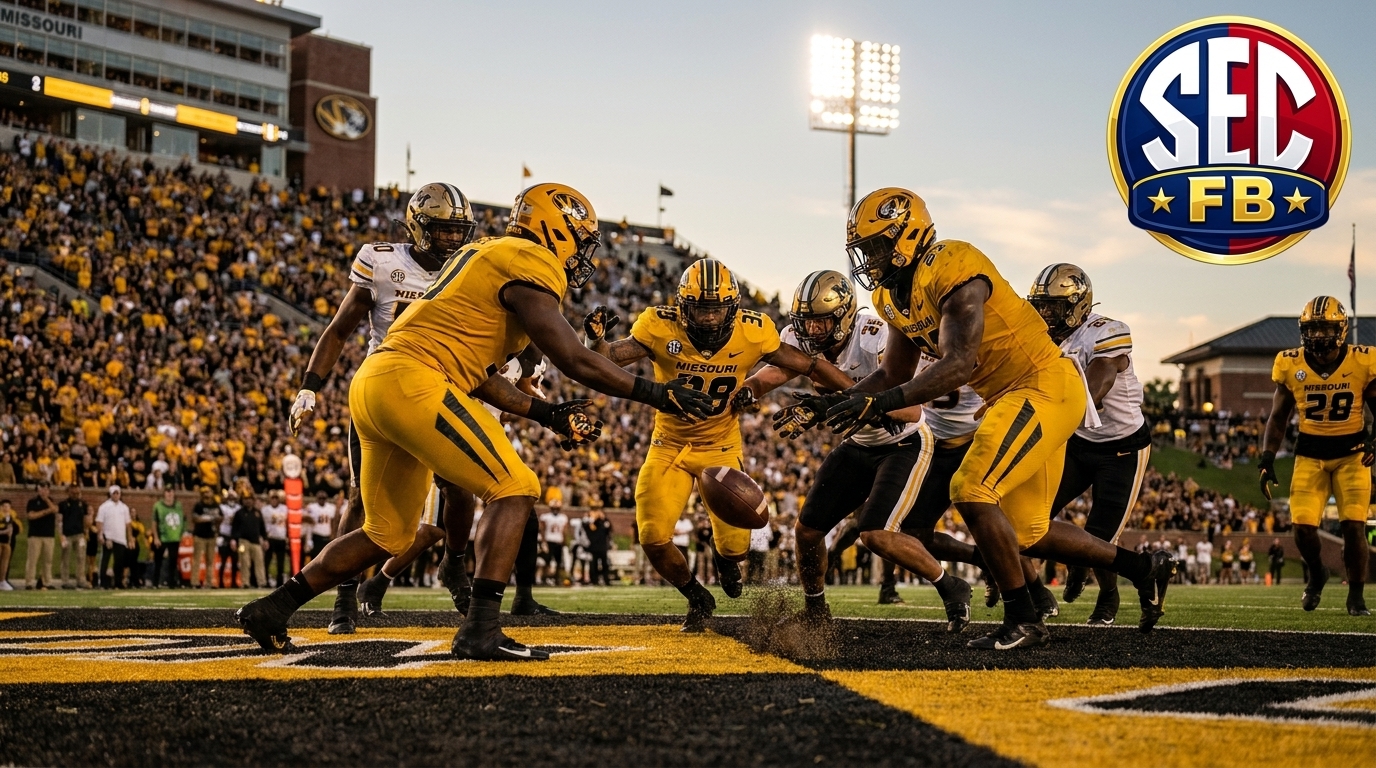
Missouri football turnovers swung between luck and regression over the past two seasons. In 2024 the Tigers recorded 17 actual turnovers versus 19.9 expected turnovers, leaving an actual turnover margin of +8.0 and an expected margin near +8.1. That season showed turnover luck worth about +3.0 points per game, and Mizzou split six of seven one-score games.
By contrast, 2025 looks bleaker. Expected turnovers fell to 14.5 and actual turnovers dropped to 12. The expected turnover margin slid to negative 2.1 and the actual margin fell to negative 5.0. Turnover luck flipped to minus 1.9 points per game.
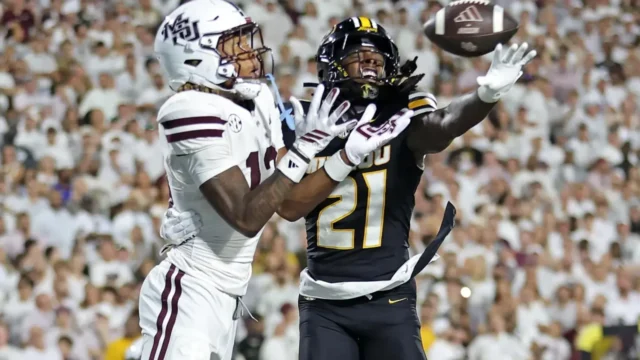
Drilling into playmakers, the defense forced 12 fumbles in 2024 and recovered eight. They also posted 38 passes broken up and seven interceptions. In 2025 forced fumbles fell to six, with four recoveries, while PBUs stayed high at 40 and interceptions held at seven. Therefore the profile is clear: Missouri creates pass disruption but struggles to convert that disruption into interceptions, and recovery luck affects fumble outcomes.
Roster churn and analytics context may matter for projections, especially with portal movement and SP+ shifts: Missouri Tigers Portal and 2026 SP Rankings. For fans tracking games and narratives, stay connected: How to Watch NCAA Final Four.
Opponent Vibe Check: Missouri football turnovers and opponent tendencies and scouting
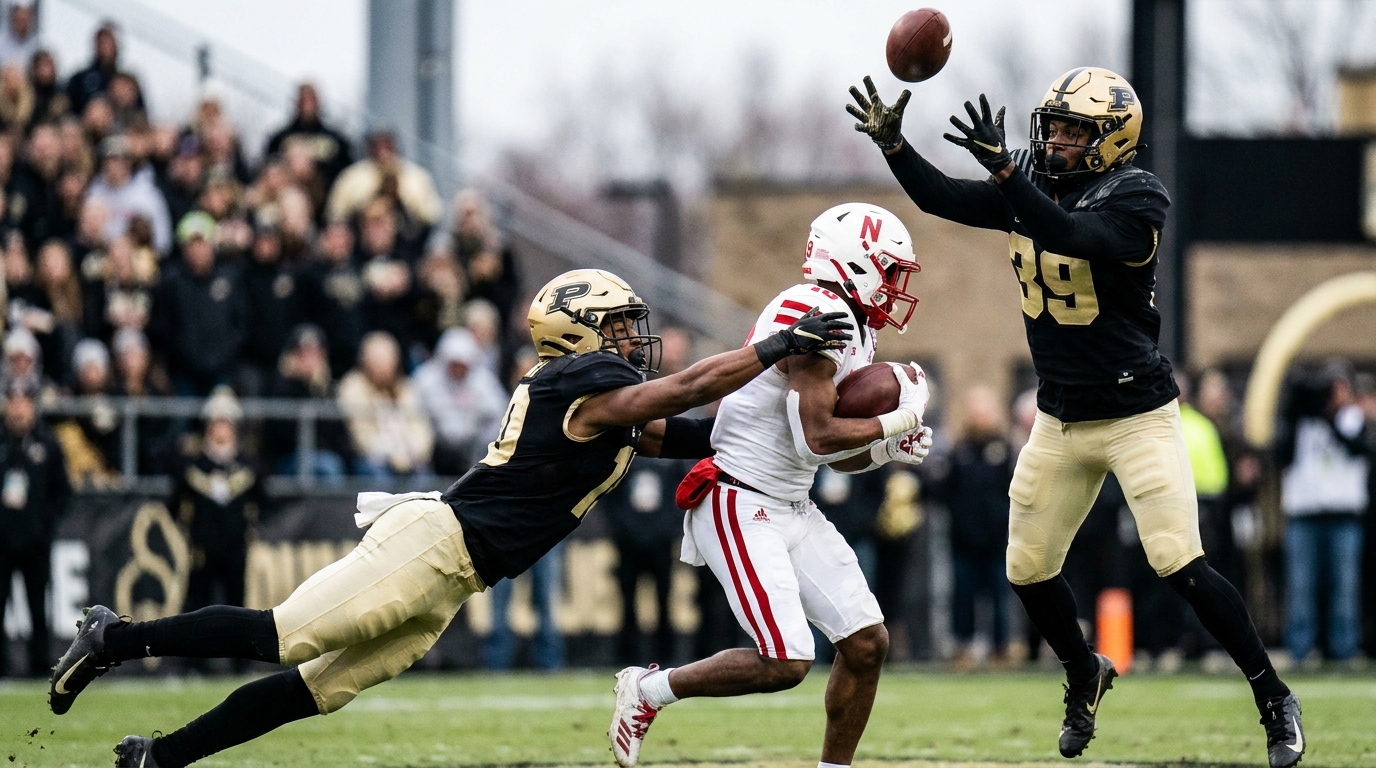
Opponent play styles shape turnover chances more than many fans expect. Spread passing attacks invite pass breakups and tipped balls, which Missouri’s secondary can exploit. However, teams that emphasize ball security and quick short throws reduce those chances. Because mobile quarterbacks extend plays, they can limit interceptor opportunities while risking strip sacks. Power-run opponents create more fumble opportunities in trenches, though recovering those fumbles remains partly random.
The Missouri defense excels at pass disruption, often logging high passes broken up totals. Yet interceptions did not materialize at the same rate. Therefore turnover luck and recovery randomness swung outcomes across one-score games. Teams that force decisions on opponents improve Mizzou’s turnover odds, and conservative offenses with low-risk playcalling shrink turnover windows. As a result, scouting opponents for aggression, rush-pass balance, and quarterback risk profile gives clearer projections for turnover production.
| Season | Actual Turnovers | Expected Turnovers | Turnover Margin (Actual) | Turnover Margin (Expected) | Turnover Luck (PPG) | Forced Fumbles | Fumble Recoveries | Passes Broken Up | Interceptions |
|---|---|---|---|---|---|---|---|---|---|
| 2024 | 17 (15 D, 2 ST) | 19.9 (50th) | +8.0 (24th) | +8.1 (10th) | +3.0 | 12 | 8 | 38 | 7 |
| 2025 | 12 (11 D, 1 ST) | 14.5 (106th) | -5.0 (104th) | -2.1 (91st) | -1.9 | 6 | 4 | 40 | 7 |
Conclusion: Missouri football turnovers and the cautious path forward
Missouri football turnovers will likely decide several games next season. They swing field position, momentum, and scoring opportunities. Because turnover trends went from a positive edge in 2024 to a negative mark in 2025, predictions demand caution.
In 2024 Mizzou posted a positive turnover margin and benefited from recovery luck. However, 2025 saw fewer forced fumbles and worse turnover luck. The defense still created pass disruption through passes broken up, but interceptions did not rise. Therefore analytics and opponent scouting should set expectations, not wishful thinking.
For bettors and fans, model multiple turnover scenarios when projecting one-score games. As a result small edges in turnover margin can change season outcomes. SECFB LLC provides ongoing analysis and context for Missouri and SEC football. Visit SECFB LLC or follow on Twitter X at @ZachGatsby for timely updates and deeper breakdowns. Stay cautious, track turnover metrics closely, and expect variance across short margins this year.
Frequently Asked Questions (FAQs)
What explains the swing in Missouri football turnovers between 2024 and 2025?
The swing stems from fewer forced fumbles and worse turnover luck in 2025. In 2024 Missouri outperformed expected turnovers and gained about +3.0 points per game from turnover luck. However in 2025 forced fumbles fell and expected turnovers fell too, which pushed the actual margin negative.
Are turnovers mainly coachable, or are they random events?
Forcing turnovers requires skill and technique, so coaches can help. Nevertheless recovering turnovers often involves randomness. Therefore analytics treat forced turnovers and recoveries differently. As a result, projections should account for both sustainable skill and luck.
Which defensive traits drive Missouri turnover chances?
Missouri defense shows strong pass disruption and high passes broken up totals. Because PBUs are high, the defense creates interception chances. Yet interception totals did not grow. Thus Missouri often makes plays but struggles to convert disrupted passes into picks.
How should fans and analysts use turnover metrics in projections?
Weight expected turnovers and turnover margin more than raw counts. Also include turnover luck adjustments. For one-score games, small turnover swings change outcomes, so model multiple scenarios.
Do opponent styles materially affect turnover outcomes?
Yes. Spread passing teams and aggressive quarterbacks increase tipped-ball and interception chances. Conversely conservative, short-pass offenses reduce turnover windows. As a result scouting opponent tendencies refines turnover probability estimates.