In a groundbreaking development that has sent shockwaves through the world of college sports, the spotlight is now on the Jameson Williams NIL lawsuit. The former Alabama wide receiver has filed a lawsuit against the NCAA, SEC, and Big Ten, accusing them of failing to adequately compensate him for his name, image, and likeness (NIL) rights.
This lawsuit highlights the ongoing debate and legal complexities surrounding NIL rights, which have become a pivotal issue in college athletics. As a key player in Alabama’s successful 2021 season, Williams’ legal battle sheds light on how players’ contributions can monetize significant revenue streams.
This breaking news not only underscores the evolving landscape of college sports but also signifies a push towards fair compensation models for student-athletes.
Background and Context: Jameson Williams NIL lawsuit
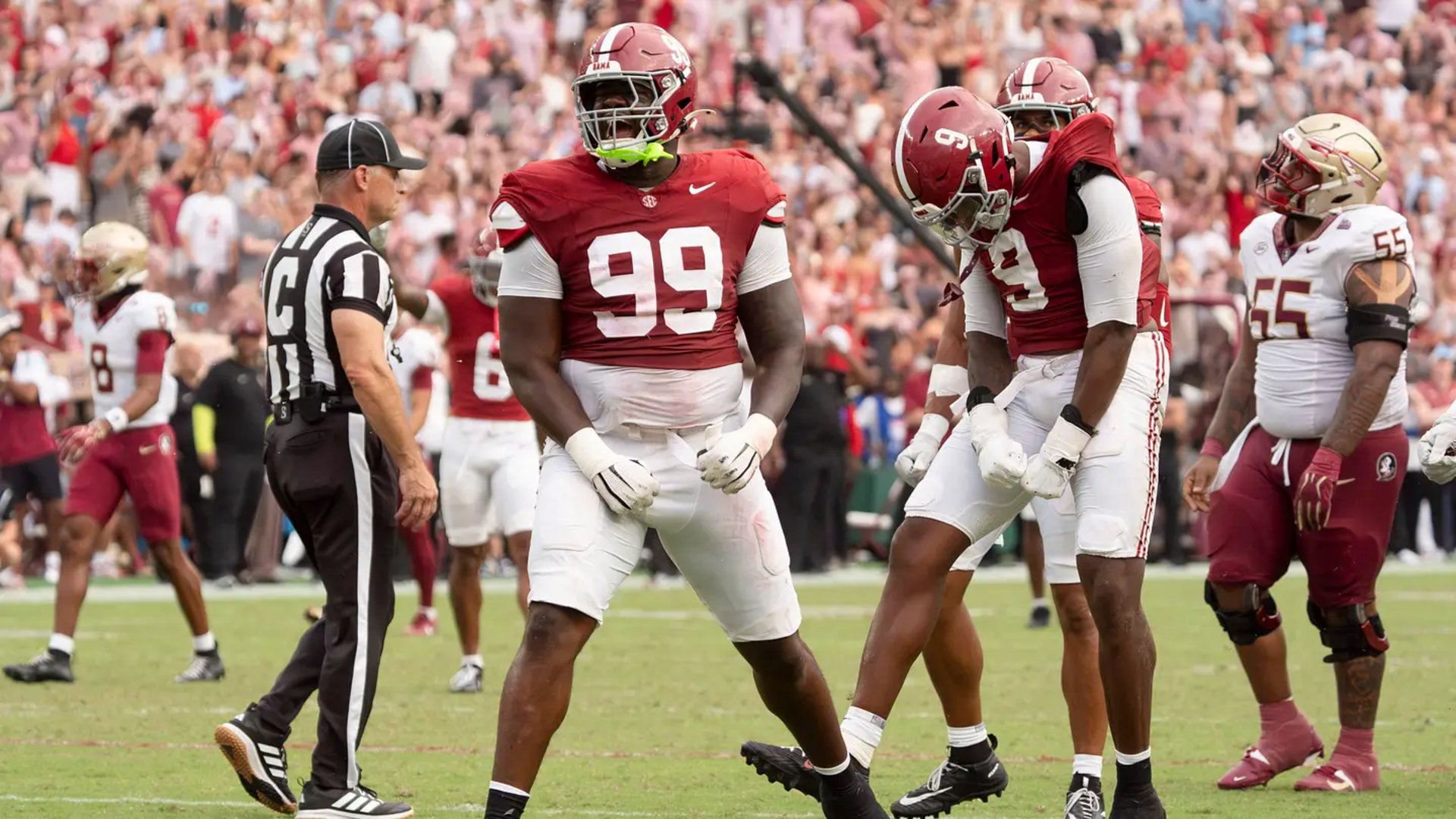
Jameson Williams rose to prominence as a dynamic wide receiver during stops at Ohio State University and the University of Alabama. He played two seasons at Ohio State from 2019 to 2020 before transferring to Alabama for the 2021 season. At Alabama he exploded onto the national stage, finishing the year with 79 receptions, 1,572 receiving yards, and 14 touchdowns. Those numbers helped Alabama win an SEC Championship and reach the College Football Playoff National Championship Game.
Williams also suffered a torn ACL in the title game against Georgia, and he later entered the 2022 NFL Draft. The Detroit Lions selected him with the 12th overall pick. Because of his college production and national exposure, Williams became a valuable brand and public figure in collegiate sports.
The Jameson Williams NIL lawsuit targets the NCAA, the SEC, and the Big Ten. He alleges those entities failed to properly compensate him for his name, image, and likeness. The legal claims cite multiple statutes, including antitrust laws and trademark-related statutes. Therefore the suit raises tough questions about how major college sports profit from athletes’ fame.
Why this matters
- Name, image, and likeness rights let players monetize endorsements, appearances, and branded content. As a result NIL has reshaped recruiting and athlete income.
- Williams’ case could set precedent on conferences’ and the NCAA’s liability for controlling NIL markets.
- If successful, the suit may force changes to compensation models, conference policies, and commercial partnerships.
In short, Williams’ history as a standout player gives weight to his claims. Moreover, the lawsuit may accelerate legal and policy shifts in college athletics and NIL enforcement.
Legal basis for the Jameson Williams NIL lawsuit
This section breaks down the statutes at issue and explains how each law connects to Williams’ claims about unpaid name, image, and likeness rights.
Cartwright Act
- What it is
The Cartwright Act is California antitrust law that prohibits agreements that restrain trade. - Why it matters to Williams
Williams alleges collusion among governing bodies to limit player compensation. Therefore the Cartwright Act may apply if conferences coordinated rules that suppressed NIL markets.
Unfair Practice Act and consumer protection laws
- What it is
Unfair practice statutes bar deceptive or unfair business conduct. - Why it matters to Williams
Williams claims unfair conduct by institutions that profited from his fame. As a result these laws could support claims that schools or conferences engaged in unfair competition.
Sherman Antitrust Act
- What it is
The Sherman Act bans monopolistic behavior and unlawful restraints of trade. - Why it matters to Williams
He alleges the NCAA and conferences maintained anticompetitive rules. Therefore Sherman Act claims target actions that limited athlete bargaining power and NIL income.
Lanham Act
- What it is
The Lanham Act covers trademark infringement and false designation of origin. - Why it matters to Williams
Williams argues entities profited from his persona and reputation. Consequently Lanham Act claims can address unauthorized use and false endorsements tied to his name and image.
How these laws work together
- Antitrust statutes challenge market restraints and coordination.
- Unfair practice rules address deceptive or exploitative conduct.
- Trademark law tackles misuse of a player’s brand and endorsements.
Therefore the combined claims aim to show both market manipulation and improper commercial use of Williams’ name, image, and likeness. If courts agree, the lawsuit could reshape how conferences and the NCAA control NIL commerce.
NIL policy comparison: NCAA, SEC, and Big Ten
| Entity | Policy overview | Compensation mechanisms | Key shortcomings | Possible impact on Jameson Williams |
|---|---|---|---|---|
| NCAA | Adopted interim NIL rules allowing athletes to sign endorsement deals and monetize name, image, and likeness. | Permits third party deals, education programs, and guidance to schools. | Rules vary by state and school. Enforcement gaps and no direct athlete revenue sharing. | Williams’ national profile may have outpaced available national frameworks and protections. |
| SEC | Conference supports athlete NIL activity and allows school boosters and collectives to fund deals. | Booster-funded collectives, team or school-affiliated promotions, event appearances. | Inconsistent oversight across schools. Potential influence from boosters and opaque deal structures. | Alabama exposure increased market value, but collective and booster systems may have limited direct conference compensation. |
| Big Ten | Implemented policies aligned with NCAA guidance while adding compliance steps and education. | Third-party endorsements, school-led initiatives, and local collectives. | Historically cautious approach and differing state laws created uneven market access. | During his time at Ohio State, varying state and conference rules may have affected early NIL opportunities. |
The Jameson Williams NIL lawsuit crystallizes a major turning point in college sports. It accuses the NCAA, the SEC, and the Big Ten of failing to let athletes capture the full value of their name, image, and likeness. Because Williams earned national exposure and on-field success, his claims carry weight and national attention.
If courts accept his legal theories, the outcome could shift how conferences and schools structure deals. As a result, we may see clearer rules, greater transparency, and new compensation models for student-athletes. Moreover, antitrust and trademark precedents could reshape commercial relationships across college athletics.
Watch closely for changes to conference compliance, booster collectives, and NCAA policy. However, litigation timelines can be long, and appeals may prolong resolution. Still, this case already influences the NIL debate and could accelerate reform.
For ongoing coverage and analysis from a passionate SEC-centric perspective, visit SECFB.com and follow SECFB LLC on Twitter at @ZachGatsby. Stay tuned because the future of NIL rights in college sports may hinge on cases like this one.
Frequently Asked Questions (FAQs)
Who is Jameson Williams?
Jameson Williams is a former college wide receiver who starred at Ohio State and Alabama. He totaled 79 receptions, 1,572 yards, and 14 touchdowns in 2021. He helped Alabama win an SEC Championship and reach the College Football Playoff title game. He tore his ACL in that game and later entered the 2022 NFL Draft. The Detroit Lions selected him with the 12th overall pick.
What is the Jameson Williams NIL lawsuit?
The Jameson Williams NIL lawsuit accuses the NCAA, SEC, and Big Ten of failing to compensate him fairly for his name, image, and likeness. The complaint cites antitrust and trademark statutes. It names the Cartwright Act, the Unfair Practice Act, the Sherman Antitrust Act, and the Lanham Act. Because Williams had high national exposure, he claims those bodies profited from his fame without proper compensation.
What legal claims does the suit include and why do they matter?
The suit combines antitrust, unfair competition, and trademark claims. Antitrust claims target rules that may have limited athlete bargaining power. Unfair practice allegations argue exploitative or deceptive conduct by institutions. Lanham Act claims address unauthorized commercial use of Williams’ persona. Together, these claims seek both damages and systemic change.
Could this lawsuit affect other athletes and NIL deals?
Yes, the case could set a legal precedent. If courts find liability, conferences and the NCAA may alter NIL governance. As a result, schools might increase transparency and change booster collective rules. Therefore athletes could gain stronger protections and clearer revenue pathways.
What happens next and what should readers watch for?
Litigation will proceed through filings, motions, and possibly discovery. Trials can be lengthy, and appeals may follow. Meanwhile stakeholders will watch for policy shifts and settlement talks. In short, this case could reshape NIL law and institutional practices in college sports.