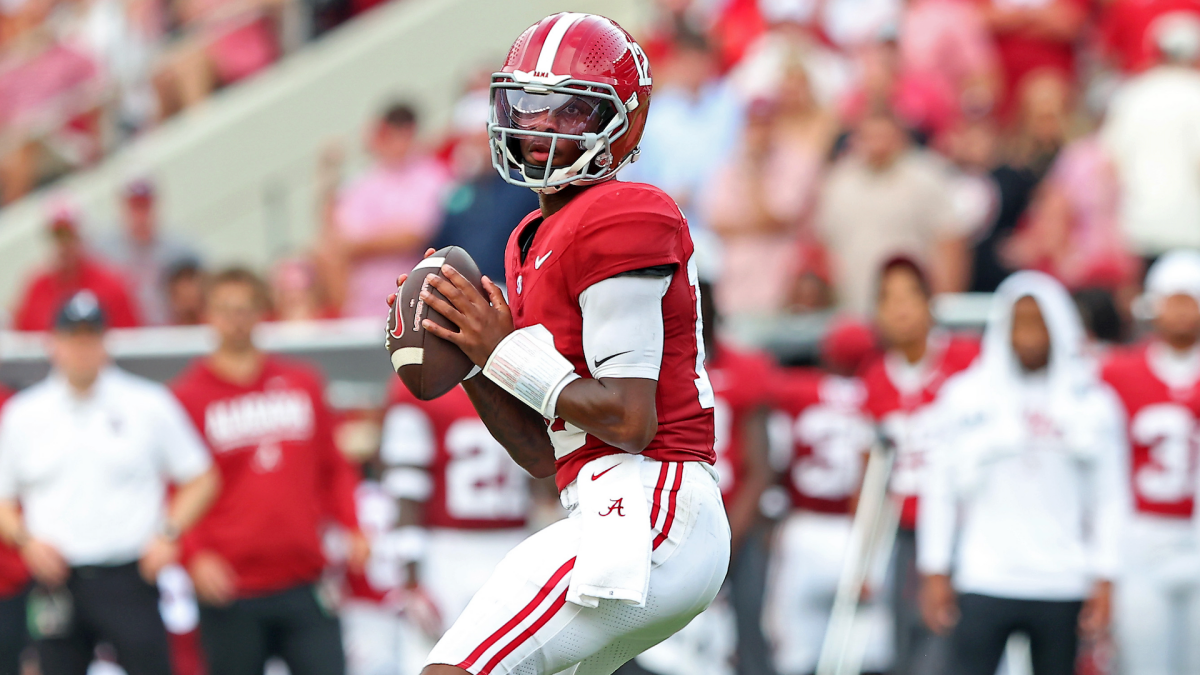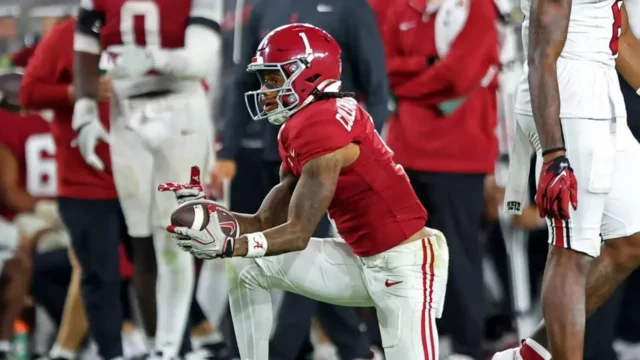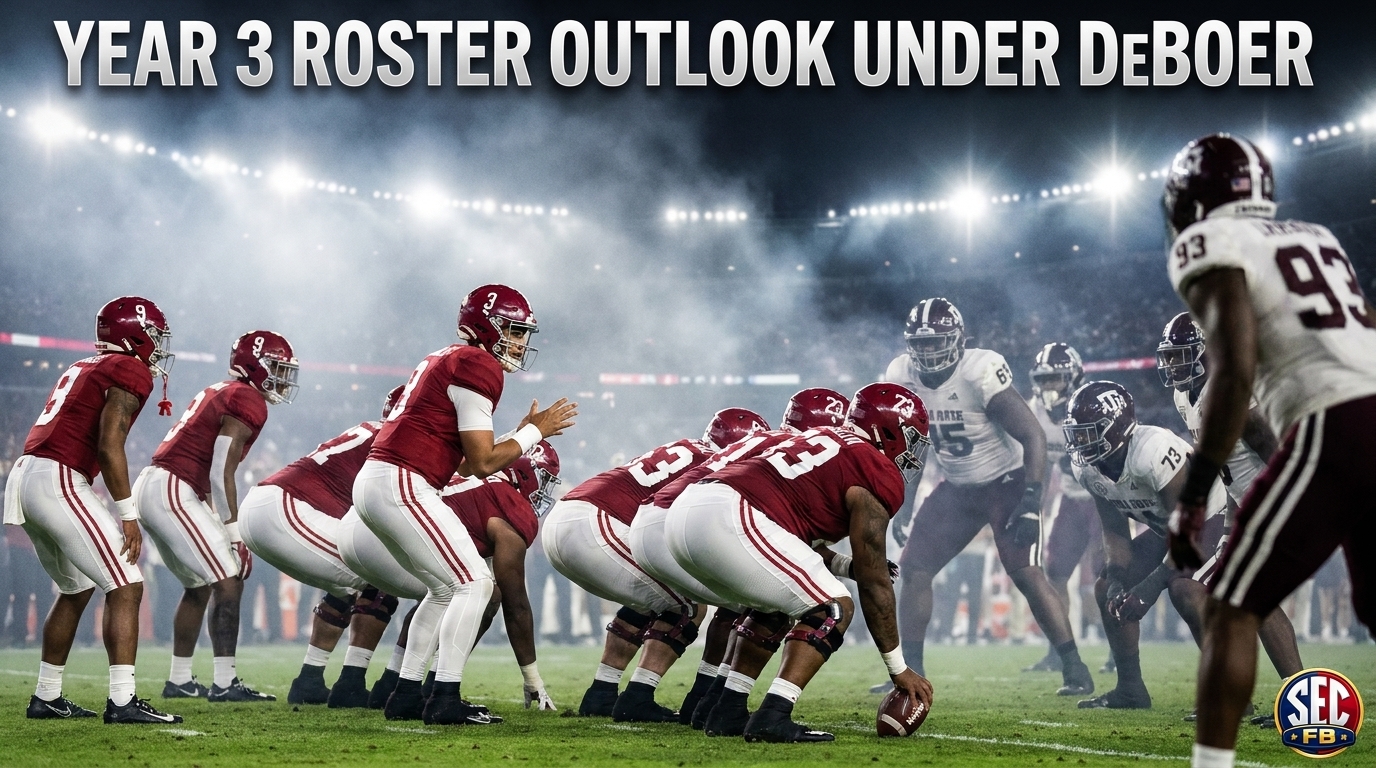
Alabama football 2026 season toughness and defense under DeBoer sits under a microscope. The Tide reset after a turbulent 2025. Alabama finished 10-3 and reached the SEC title game. They also made the College Football Playoff. Yet the year ended in a shocking 38-3 Rose Bowl loss to Indiana. Ten players entered the 2026 NFL Draft. The rushing attack cooled late, which raised questions about physical grit and schematic fit.
Coach Kalen DeBoer enters Year 3 with a clear mandate. He must toughen this roster mentally and physically. Therefore, defensive adjustments are as important as offensive identity. Alabama ranked 13th in total defense, yet coverage rules and gap integrity still need work. The staff must refine the run game and front seven. Moreover, turnovers and situational defense will shape evaluation. This piece will analyze practice trends, spring games, and schematic shifts. Ultimately, the question is plain: will toughness and defensive changes restore Alabama to its expected standard?
Defensive scheme changes under Kalen DeBoer have become central to Alabama football 2026 season toughness and defense under DeBoer analysis. After finishing 13th nationally in total defense in 2025, Alabama shifted emphasis. The staff moved toward a hybrid 4-2-5 look that stresses speed and versatility. However, coaches also dialed up more zone vision coverage to handle four verticals. As a result, defenders now must read patterns quicker and trust spacing.
Kane Wommack’s groups forced turnovers and posted solid stats, yet coaches noted growing pains. One staff voice said, “I hate that defense; I got to get to know it better.” Moreover, the team admitted, “You gotta be a tougher team, mentally and physically.” Those lines show both respect and frustration. Defensive rules changed in practice. Players worked on gap integrity, tackling in space, and situational discipline. Because of that, run fits and third down performance became focal points.
Statistical signals tell a mixed story. Alabama ranked 13th overall, and they produced strong turnover numbers. However, late-season breakdowns exposed coverage windows. For example, opponents attacked seams and post routes on four verticals. Therefore, coaches added more zone coverage principles and stress-tested the defense in spring drills.
Key insights
- Scheme: movement toward a hybrid 4-2-5 with variable coverage shells
- Personnel: nickel and boundary safety roles gained importance
- Mental toughness: coaches emphasized situational discipline and short-yardage grit
- Run defense: gap integrity and front seven physicality became priority
- Coverage: more zone vision to limit four vertical attacks
- Turnovers: staff still stresses takeaways as a win condition
Ultimately, adjustments aim to marry physical toughness with scheme discipline. If execution improves, Alabama can shrink big plays. Thus, the defense can live up to the program’s standard.
| Metric | 2025 Season | 2026 Projections |
|---|---|---|
| Yards per Carry | Below 4 yards in last six games | Aim to exceed 4.5 yards per carry |
| Carries by Top Backs | No back averaged over 20 carries | Increase workload for lead back |
| Turnover Rates | Higher turnover rates in critical games | Strive to reduce turnovers through discipline |
| Rushing Plays Strategy | Mixed emphasis, less power-run focus | Shift to power-run game, utilize physicality |
| Critical Play Analysis | 4th & 1 speed sweep failed vs Indiana | Plan to reinforce traditional power plays |
Alabama football 2026 season toughness and defense under DeBoer: Run-Game Questions and Roster Outlook
Alabama’s run game left lingering questions after 2025. The rushing attack cooled late, and no back with more than 20 carries averaged over four yards. Therefore, DeBoer’s Year 3 plan emphasizes both physicality and scheme clarity. Coaches repeatedly asked, “How tough are you?” and demanded clearer execution in short-yardage situations.
Front seven composition matters. Colt Lumpris projects as a key piece to anchor interior gaps. Domani Jackson provides change-of-pace and receiving threat out of the backfield. However, depth behind them matters because heavy workloads expose young legs. Moreover, Alabama lost trim pieces to the 2026 NFL Draft, which complicates rotation plans.
Philosophy and the crucial decisions
The program publicly criticized a 4th and 1 call against Indiana. Instead of a grind-it-out power run, staff dialed a speed sweep. Critics said, “That has to change.” As a result, DeBoer and coordinators insist on running the football the right way. They want more downhill plays, heavier personnel, and clearer reads for lead blockers.
Situational toughness ties to roster choices. Short-yardage packages will get more reps in practice. Consequently, coaches aim to develop a true goal-line rotation. They also plan to lean on interior linemen to win one-on-one battles. When you add mental toughness, the offense should convert more fourth downs.
Projected improvements and risks
- Expect more carries for top backs to build rhythm and durability
- Anticipate a clearer split between power and outside-zone plays
- Turnovers must drop, because ball security directly affects field position
- Coaching philosophy will push a more physical offensive line identity
Despite plans, risks remain. Young linemen must adapt to new techniques. Running backs must sustain yards after contact consistently. However, if Alabama checks the toughness box, they can restore balance between run and pass. That balance should ease pressure on the defense. Ultimately, Year 3 will show if grit and scheme changes return Alabama to its standard.
Further reading on spring practice and position battles:
Alabama football 2026 season toughness and defense under DeBoer will hinge on mental and physical grit. The staff must sustain aggressive defensive evolution while repairing run-game identity. Therefore, toughness is not optional. It is the organizing principle that will define the Tide this year.
Defensively, coaches added zone vision principles to a hybrid 4-2-5. As a result, players must process routes faster and trust spacing. However, late-season breakdowns in 2025 showed what happens without discipline. The team must pair scheme adjustments with consistent tackling and gap integrity. Moreover, turnovers remain a priority because takeaways change games.
On offense, running the ball the right way matters. The 4th and 1 call against Indiana crystallized that point. Therefore, coaches will stress short-yardage toughness and heavier personnel packages. Colt Lumpris and Domani Jackson will play central roles, and depth will decide if the roster can sustain contact all season. Ultimately, a unified culture matters most. When players and coaches share a toughness identity, execution follows.
For ongoing coverage and analysis, see SECFB LLC at SECFB LLC and follow their coverage on Twitter X @ZachGatsby.
Frequently Asked Questions (FAQs)
What defensive strategy will Alabama use under DeBoer in 2026?
The staff favors a hybrid 4-2-5 base that emphasizes speed, versatility and more zone vision to limit four verticals. The Crimson Tide in SEC football will prioritize quicker reads, tighter spacing and creating turnovers as a core win condition.
How realistic is run-game improvement for the 2026 season?
Improvement is realistic but requires buy-in. Coaches will emphasize downhill power, short-yardage toughness and clearer reads. Depth losses to the NFL Draft mean starters must absorb heavier workloads while backups develop.
How does coaching philosophy affect toughness and execution?
DeBoer demands mental and physical grit. Practice priorities shifted to situational discipline, gap integrity and goal-line reps to reduce conservative calls like the Rose Bowl 4th and 1.
What impact did the 2026 NFL Draft departures have on roster outlook?
Draft exits trimmed experience along the line and skill spots but opened roles for younger players. Spring development and conditioning will determine if the Crimson Tide can sustain contact and tempo.
Which 2025 games matter most for this evaluation?
The Rose Bowl loss to Indiana, the SEC Championship and the CFP appearance highlight where run game, situational decisions and coverage broke down.
Key Takeaways
- Defense adjustments: hybrid 4-2-5 with more zone vision to limit big plays and force turnovers
- Run-game emphasis: push downhill power, short-yardage packages and heavier personnel
- Toughness: mental and physical grit, situational discipline and consistent gap integrity
- Context: fixes are urgent for the Crimson Tide within SEC football expectations