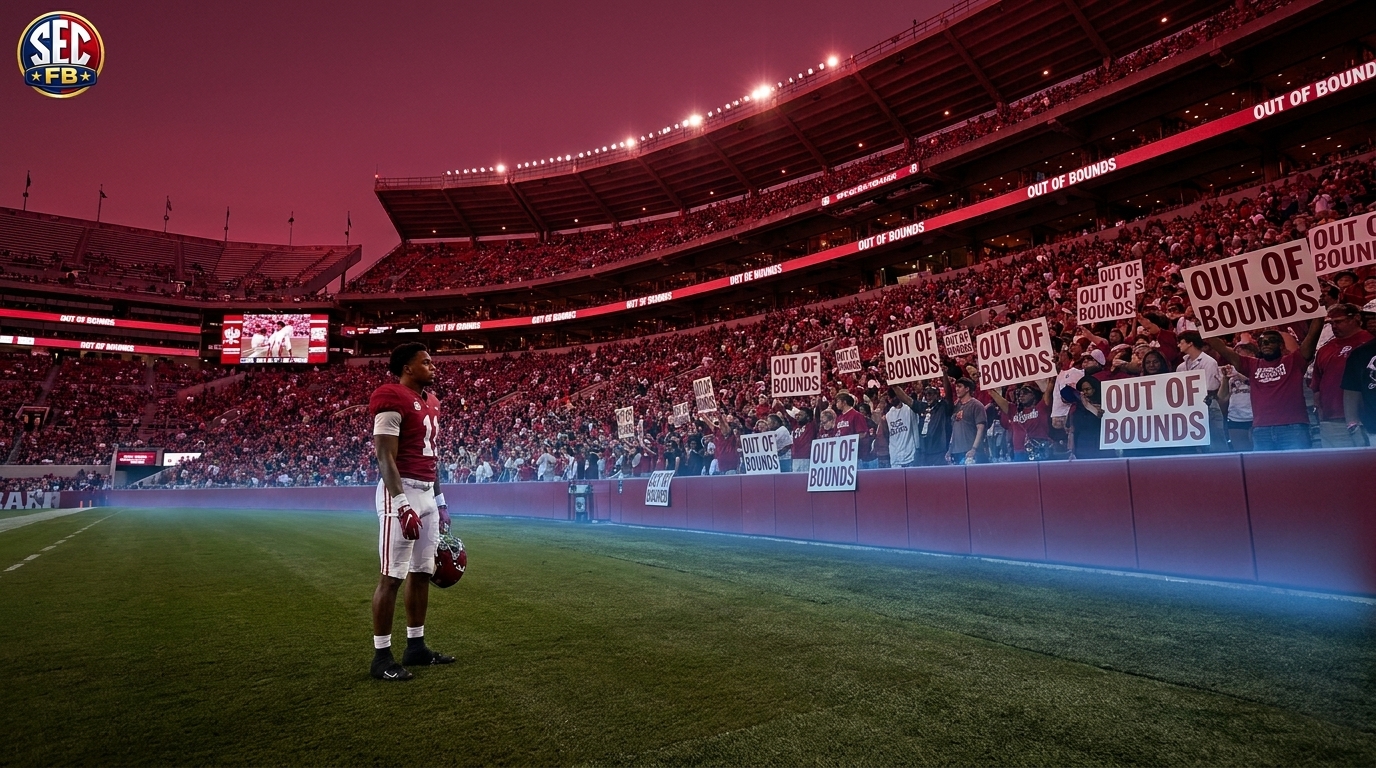
Out of Bounds campaign voting rights in college sports has thrust recruiting into a new political arena. The NAACP launched the campaign to pressure public universities and spotlight Black voting representation. However, vocal calls for de-commitments have targeted the Alabama Crimson Tide and top prospect Elijah Haven.
Because the NAACP frames recent state laws and the Supreme Court ruling as a sprint to erase Black political power, its Out of Bounds strategy asks Black recruits to withhold commitments; it asks current Black athletes to use their platforms to spotlight disenfranchisement; moreover it calls on fans, alumni, and consumers to stop buying tickets, merchandise, and other support, thereby shifting economic pressure back onto public universities and the state leaders who control them, and to reconsider the moral calculus of recruiting, scholarships, and NIL enticements in states that they say actively suppress Black representation.
As a result, this story sits at the crossroads of athlete rights, NIL deals, and voting justice.
Out of Bounds campaign voting rights in college sports: what the NAACP is asking for
The Out of Bounds campaign is a targeted NAACP effort to link college sports to voting justice. The group aims to protect Black political representation. Therefore it urges communities to shift economic and moral pressure back to public universities in eight named states. In short, organizers want accountability from institutions that public officials control.
The campaign uses clear strategies and specific asks.
- Withhold commitments from public universities in listed states when appropriate, especially by top Black recruits.
- Ask current Black athletes to elevate voting suppression in public statements and social posts.
- Encourage fans, alumni, and consumers to boycott tickets, merchandise, and donations to spur change.
The NAACP framed this work after the Supreme Court’s 6-3 ruling in Louisiana v. Callais. Derrick Johnson explained the urgency plainly. He said, “What these states have done is not a policy disagreement. It is a sprint to erase Black political power.” Moreover he added, “Out of Bounds is our answer: we are naming the contradiction, and we are calling on Black athletes, families, fans, and consumers to act on it.”
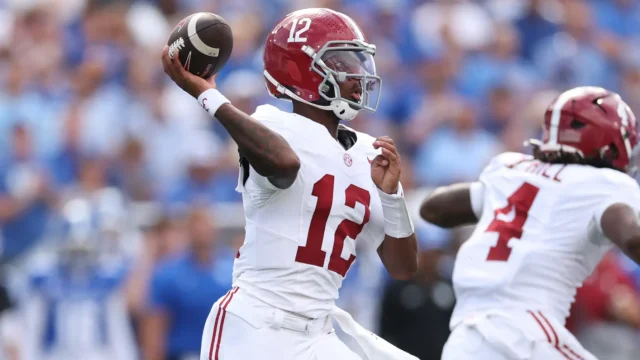
Activists like Luther Campbell amplified the message publicly. For example he urged Elijah Haven to reconsider his commitment to Alabama. As a result, the campaign ties athlete rights, NIL debates, recruiting ethics, and Black voting representation into one political demand. It reframes fandom as civic power and calls for collective action.
To show how the national Out of Bounds strategy takes shape locally, the Alabama recruiting controversy acts as a focused example. By naming Alabama among the targeted states, the NAACP turned what is normally a recruiting story into a conversation about civic values, institutional accountability, and community leverage.
Localizing the national demand
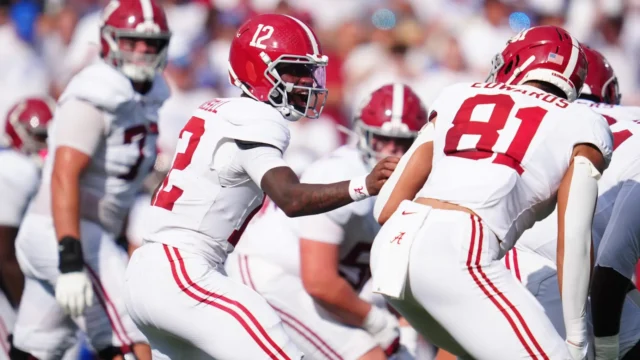
Activists and public figures pushed a moral framing aimed directly at recruits and programs. Luther Campbell posted a public video urging Elijah Haven to decommit, arguing that commitments to state schools carry civic implications. That appeal made a recruiting timetable into a site of political choice.
Pressure came from multiple directions. Organizers asked top Black recruits to reconsider or delay commitments. Current athletes were urged to speak about voting suppression. Fans and alumni received calls to pause ticket purchases, merchandise spending, and donations to raise economic stakes for public universities.
Tactics, media, and institutional response
- Influencers amplified the ask and created public moral pressure.
- Local sports outlets covered the debate closely, increasing reputational scrutiny.
- Coaches and administrators found themselves navigating recruiting logistics and community backlash.
Nick Saban remained central to recruiting coverage, and former stars surfaced in support activity. Elijah Haven stayed committed after his April verbal pledge, which left the controversy unresolved and ongoing.
The episode links recruiting ethics, NIL conversations, and long standing protest traditions. It shows how sports media, civil rights organizing, and recruiting practices collide in real time.
| NAACP action | Athlete responses (observed or potential) | Fan and alumni responses (observed or potential) | Recruiting and university impacts |
|---|---|---|---|
| Withhold commitments from public universities in listed states | Some prospects reconsider or delay commitments; others remain committed (for example, Elijah Haven remained committed after April) | Targeted decommits are rare but could trigger selective boycotts; some donors may reconsider giving | Reduced immediate recruiting leverage for listed programs; reputational scrutiny; questions about NIL ethics |
| Ask current Black athletes to elevate voting rights issues publicly | Players use social platforms, speak in public, or form coalitions; some remain silent to protect playing opportunities | Fans amplify athlete messages or push back; campus communities could polarize | Increased media attention; potential internal team tensions; recruiting pitch shifts to emphasize values |
| Call for boycotts of tickets, merchandise, and donations | Athletes may support boycotts or urge action from fans | Short-term revenue declines if boycotts scale; merchandising sales dip regionally | Financial pressure on athletic departments; administrative conversations about policy and community relations |
| Leverage public influencers and civil rights figures to urge action | Influencers like Luther Campbell publicly urge prospects to decommit, creating moral pressure | Amplified public debate across social platforms; older alumni may heed calls | Short-term headlines and pressure on coaches like Nick Saban; local media coverage intensifies (Touchdown Alabama Magazine) |
| Frame the campaign around legal context such as Louisiana v. Callais | Athletes and advisors weigh legal and civic stakes alongside NIL choices | Supporters see boycott as civic defense; opponents call it politicization of sports | Long-term scrutiny of state policies; possible shifts in recruiting pipelines and institutional accountability |
Conclusion
The Out of Bounds campaign voting rights in college sports has forced a moral reckoning for programs, recruits, and fans. Because the NAACP tied recruiting leverage to voting justice, public universities now face civic scrutiny that affects commitments and revenue. The Alabama recruiting controversy shows how quickly athletes and communities can become central to political fights. Moreover, activists and influencers have reframed athlete choices as civic acts, not just career moves.
This struggle for Black political representation in southern states remains urgent. Derrick Johnson warned that these moves are “a sprint to erase Black political power.” As a result, athletes, families, and fans must weigh NIL benefits against long term civic costs. Historically rooted protest traditions inform today’s tactics, and therefore the debate connects sports, law, and democracy.
SECFB LLC will keep covering these advocacy driven sports issues. Visit SECFB.com for ongoing reporting, and follow their commentary on Twitter at @ZachGatsby. In short, Out of Bounds is more than a campaign. It is a test of whether sports institutions will answer community demands for justice.
FAQs: Out of Bounds campaign voting rights in college sports
What is the Out of Bounds campaign?
The NAACP launched Out of Bounds to tie college sports to voting justice. It targets public universities in eight southern states. The goal is to defend Black voting representation and leverage economic pressure.
Who are the key figures in this controversy?
Derrick Johnson leads the NAACP campaign. Luther Campbell urged Elijah Haven to decommit publicly. Elijah Haven remains a 2027 five-star quarterback committed to Alabama. Nick Saban and figures like Derrick Henry appear in recruiting coverage. Touchdown Alabama Magazine covered local reaction.
What specific actions does the NAACP ask for?
They ask recruits to withhold commitments, athletes to elevate voting rights, and fans to boycott tickets and merchandise. Moreover, they urge alumni to rethink donations and community support.
How has the campaign affected Alabama recruiting?
The campaign increased moral scrutiny and media attention. However, high-profile recruits have had mixed responses; Haven stayed committed after April. As a result, programs face reputational and potential financial pressure.
How can readers and fans respond responsibly?
Learn the legal context such as Louisiana v. Callais and the Supreme Court ruling. Vote and support civic groups. Finally, weigh NIL offers against civic values and community impact.