
Auburn rebuild emulating Oklahoma and Vanderbilt offers a clear, modern template for quick turnaround under Alex Golesh. The program is rebuilding rather than buying immediate championships, and it relies on quarterback transfers and staff moves. Golesh and his staff reshaped the offensive line and loaded the roster with portal talent. Because recent SEC blueprints show fast gains, Auburn hopes to accelerate its rise.
Oklahoma used continuity and key transfers to reach the College Football Playoff quickly. Vanderbilt turned a transfer signal caller into a Heisman finalist, and that outcome excites Auburn boosters and skeptics alike. However, Auburn faces a brutal 2026 slate that includes Georgia and Alabama. Still, the presence of Byrum Brown and coaching continuity gives realistic optimism.
The immediate goal centers on culture, execution, and efficient scheme installs. If recruiting, quarterback development, and staff cohesion all click, Auburn could shorten the rebuild timeline. Therefore, this piece examines transfer strategy, staff moves, and measurable indicators that will reveal if Auburn’s blueprint can follow the Sooners and Commodores.
Auburn rebuild emulating Oklahoma and Vanderbilt — transfer-driven blueprints and measurable benchmarks
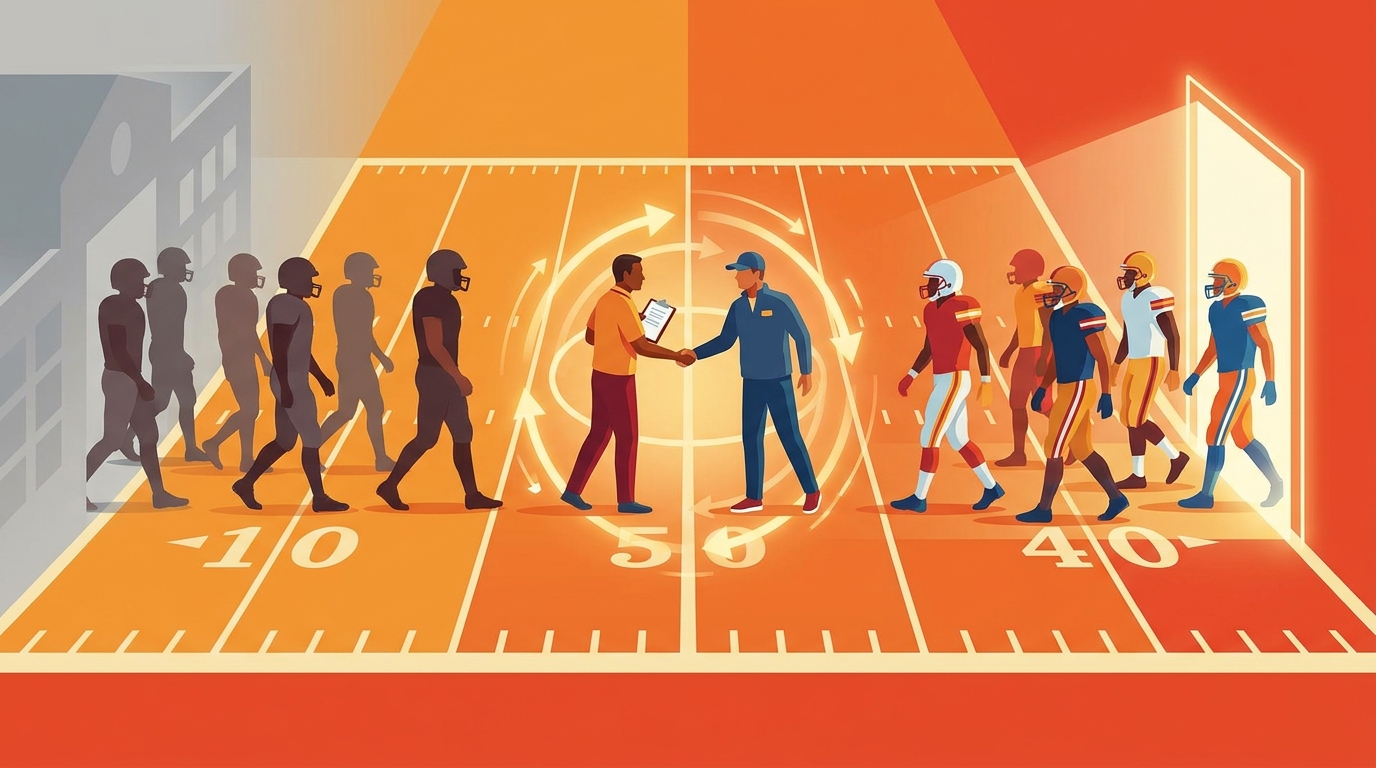
Auburn’s approach mirrors recent SEC playbooks because it blends staff continuity with targeted transfers. Like Oklahoma, which added John Mateer when Ben Arbuckle arrived, Auburn sought plug-and-play pieces. Oklahoma’s 2025 defense ranked No. 6 in total defense. They also ranked No. 7 in scoring defense. That balance let Oklahoma reach the College Football Playoff quickly, and it shows how transfers can fit into a broader scheme.
Vanderbilt shows how a transfer signal caller can transform a roster. Diego Pavia followed his New Mexico State coaches and became a Heisman finalist. His Commodores went 6-6 in year one, proving the portal can change results fast. However, Vanderbilt’s defense struggled, ranking No. 117 in EPA-per-play and No. 134 in passing defense. That contrast warns Auburn that offense can mask flaws, but defense still decides big games in the SEC.
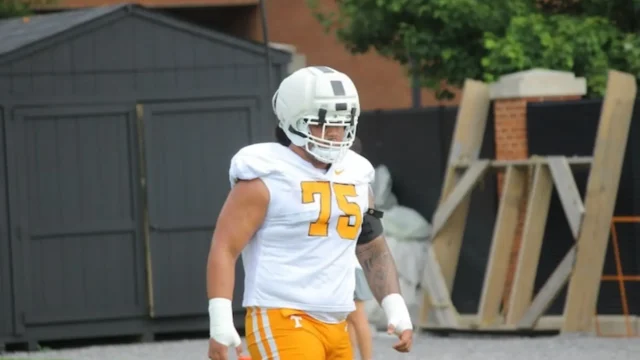
Auburn recast its offensive line and added portal talent to speed installs. Byrum Brown captured the locker room vibe. He said, “This whole place, they care about football … That is something that you truly want to be a part of. My teammates, they care about football, they were very excited once we got to work, bonding with them, connecting with them in the locker room, all them embracing us transfers. They were open arms, and like, ‘let’s go to work. Let’s win a Natty.’” Still, Auburn faces LSU, Georgia, Ole Miss, and Alabama in 2026. Therefore, culture and coaching must translate fast for this rebuild to shorten. As one observer put it, there are blueprints laid out for the Tigers to follow, but Golesh must inspire the culture that yields those results.
| Aspect | Auburn rebuild emulating Oklahoma and Vanderbilt | Oklahoma (recent model) | Vanderbilt (recent model) |
|---|---|---|---|
| Transfer portal activity | Aggressive use of portal for quarterbacks and offensive line. Multiple plug-and-play transfers to speed installs. | Targeted transfers, including John Mateer following Ben Arbuckle. Transfers fit established scheme. | QB transfer Diego Pavia followed coaches from New Mexico State. Portal used to replicate prior chemistry. |
| Coaching changes and staff movement | First-year head coach Alex Golesh reshaped staff and schemes. Staff cohesion is central to the blueprint. | Stability around Arbuckle with key coordinator hires. Defensive staff produced top-10 unit. | Head coach and offensive coordinator moved from NMSU. Staff continuity propelled QB success. |
| Defensive rankings (2025) | Still forming under new staff amid a brutal 2026 schedule including Georgia and Alabama. | No. 6 total defense and No. 7 scoring defense in 2025. | No. 117 EPA-per-play and No. 134 in passing defense in 2025. |
| Key players and impact transfers | Byrum Brown emerges as the QB leader. Offensive line nearly recast to protect and create lanes. | John Mateer arrival aided QB room; defense anchored team to CFP run. | Diego Pavia became a Heisman finalist and the focal point of the offense. |
| Year-one outcomes | Officially a rebuild year focused on culture and installs. Week one is Baylor in Atlanta. | Rapid rise to CFP contention following transfer and staff moves. | 6-6 in year one, with Pavia earning Heisman recognition. |
| Projected outcomes and risks | Optimistic but cautious. A 10-2 ceiling could reach CFP if QB play and defense click. Risks include defensive lapses and schedule difficulty. | High ceiling; balanced defense lowered variance and boosted playoff odds. | Offensive upside high, but defensive shortcomings could limit ceiling. |
| Locker room, culture and quotes | Transfers report open-arms culture. Brown said teammates embraced transfers and aimed high. | Strong buy-in and continuity helped execute schemes. | Player-coach trust from NMSU carried over and accelerated growth. |
Transfer portal impact: fast tracks, chemistry, and culture
The transfer portal shortened rebuild timelines across college football because it delivers proven players quickly. Oklahoma and Vanderbilt offer clear examples. Oklahoma added John Mateer and other fits that matched its scheme. Vanderbilt imported Diego Pavia and his coaches from New Mexico State, and Pavia produced a Heisman finalist season. Those moves show how QB transfers and staff continuity create instant chemistry.
Auburn leaned into the portal to accelerate Alex Golesh’s installs. The staff nearly rebuilt the offensive line, and they added veteran portal quarterbacks. Byrum Brown said, “This whole place, they care about football … That is something that you truly want to be a part of. My teammates, they care about football, they were very excited once we got to work, bonding with them, connecting with them in the locker room, all them embracing us transfers. They were open arms, and like, ‘let’s go to work. Let’s win a Natty.’” As a result, transfers improved morale and clarity quickly.
Strategically, importing transfers reduces learning curves but also raises risks. Vanderbilt’s offense soared, yet its defense lagged badly in 2025. By contrast, Oklahoma paired transfers with a top-10 defense, which limited variance and boosted results. Therefore, Auburn must combine portal talent with defensive upgrades, recruiting, and coaching cohesion. If those pieces align, Auburn can emulate the success of the Sooners and Commodores, but the path remains cautious and conditional.
CONCLUSION
Auburn rebuild emulating Oklahoma and Vanderbilt outlines a practical, data-driven path forward under Alex Golesh. The Tigers mixed transfer portal urgency with staff reshaping and a nearly rebuilt offensive line. As a result, Auburn shortened learning curves and improved immediate talent levels. However, realistic limits remain because Auburn faces a brutal 2026 schedule including Georgia and Alabama. Defense will determine how far the program climbs in the short term.
Recent SEC blueprints teach two clear lessons. First, quarterback and staff continuity can produce quick offensive gains, as Diego Pavia and John Mateer demonstrate. Second, balanced defenses reduce variance and protect breakthrough seasons, as Oklahoma’s top-10 defensive ranking shows. Therefore, Auburn must stack portal additions with defensive upgrades and coaching cohesion to convert promise into wins. Byrum Brown’s leadership and the team’s open-arms culture provide a strong start.
Stay engaged as the season unfolds and metrics arrive. If recruiting, scheme installs, and quarterback play converge, Auburn could shorten a traditional rebuild timeline. For more analysis and updates, visit SECFB LLC and follow their coverage. Website: SECFB.com Twitter/X: @ZachGatsby
Frequently Asked Questions (FAQs)
What is Auburn’s rebuild plan and how does it compare?
Auburn rebuild emulating Oklahoma and Vanderbilt centers on fast installs, transfers, and staff alignment. Golesh prioritized portal quarterbacks and a near-complete offensive line rebuild. The goal is to shorten the timeline between hire and contention.
How important is the transfer portal to this rebuild?
The portal provides experienced players who reduce learning curves. For example, Auburn added veteran quarterbacks and linemen to accelerate installs. As a result, practices and game plans move faster.
Can Auburn really emulate Oklahoma’s and Vanderbilt’s outcomes?
It is possible but conditional. Oklahoma paired transfers with a top-10 defense, which limited variance. By contrast, Vanderbilt rode Diego Pavia to Heisman contention, despite defensive struggles at No. 117 in EPA-per-play.
What are the biggest risks to this strategy?
Defensive shortcomings and a brutal 2026 schedule pose major risks. Transfers can boost offense quickly, however defense still decides SEC games. Coaching cohesion and depth will determine variance.
What timeline should fans expect?
Expect a measured rebuild in 2026 with clear signs of progress. A 10-2 ceiling could be realistic if QB play and defense click. Still, development, recruiting, and execution will shape real outcomes.