college football recruiting (2027 cycle): The early wave that will reshape rosters
The college football recruiting (2027 cycle) is accelerating, and the early wave of commitments already matters. Programs that locked top prospects early now control roster narratives. Meanwhile, the transfer portal reshapes depth charts, because coaches balance flips and long-term development. NIL strategies and revenue-share deals also tilt decisions for five-star recruits. We will analyze commitment patterns, portal volumes, and program recruiting playbooks. Expect data from SC Next 300, ESPN rankings, and trend charts. You will read roster maps, positional battles, and elite target timelines. We will break down examples like Elijah Haven and Kennedy Brown. As a result, readers gain an insider view of shifting recruiting power. Read on for analytical context, coaching tactics, and what to watch through June and July. We will spotlight program pivots, recruiting staff moves, and official visit trends. Also, expect quick-hit scouting notes and flip watch updates. By the end, you will understand who gains momentum and why.

Key commitments in college football recruiting (2027 cycle)
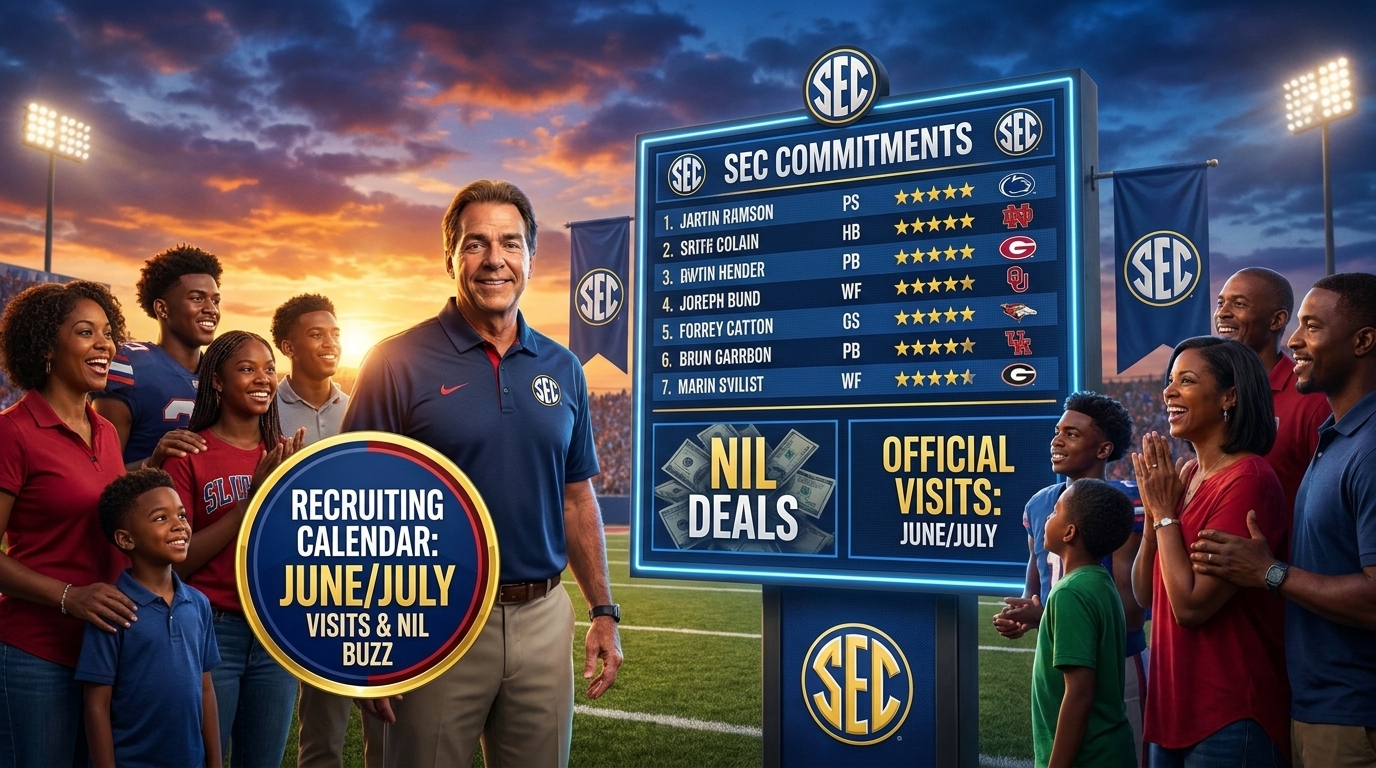
Early commitments have already set the tone for the 2027 class. Nearly 60 percent of SC Next 300 prospects are spoken for. Specifically, 177 of the Next 300 prospects are committed. As a result, programs that built early momentum now shape public recruiting narratives.
Standout program notes
- Texas A&M leads the nation in early commitments. They hold 15 pledges, including 12 from the SC Next 300. Also, A&M boasts four five-star pledges: Kennedy Brown, Mark Matthews, Zyron Forstall, and Kamarui Dorsey.
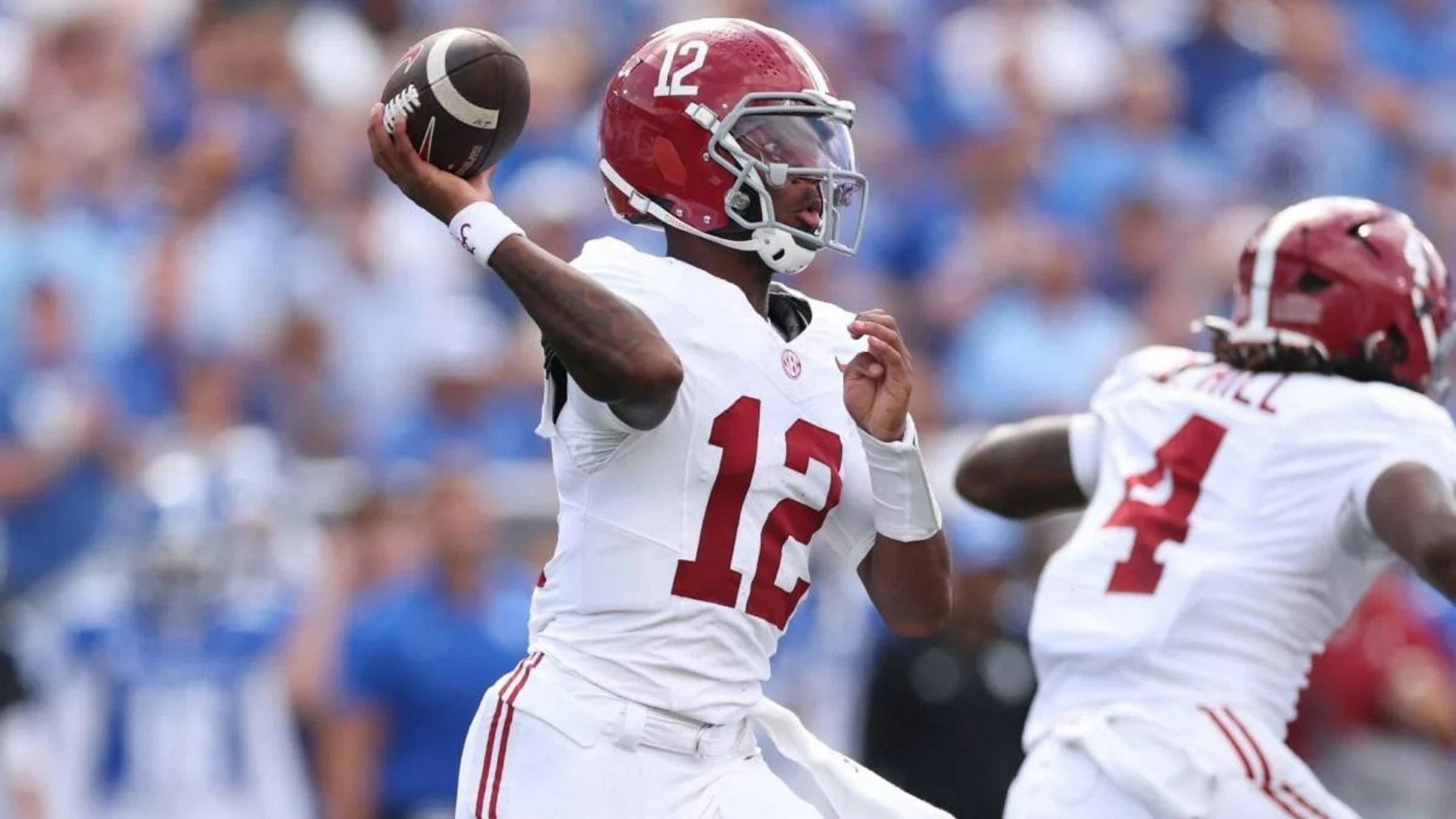
- Alabama landed the cycle’s top quarterback. Elijah Haven committed to Alabama on April 25, choosing Coach Nick Saban’s program over Georgia.
- Florida shows renewed energy under Jon Sumrall. The Gators have 10 SC Next 300 pledges, and recruiting momentum has turned positive.
- Other pockets of activity include UCLA and Auburn. UCLA added 17 commitments after April 1, and Auburn sits with nine pledges, with three top-100 additions since mid-April.
Quotes that explain the pull
“It’s a different energy with Coach Sumrall; a more aggressive and intense style,” said Gators wide receiver commit Anthony Jennings. Therefore, staff tone matters.
“Talent has never been the issue there,” said one SEC general manager about Texas A&M. “It was about getting the right group of people in there to be cohesive enough to get Texas A&M serious again.” As a result, A&M’s staff approach and NIL posture appear to be paying off.
Portal trends and flips shaping the 2027 cycle
The transfer portal influences roster building more than ever. Between March 1 and June 1, 121 SC Next 300 commitments occurred. That equals 68.3 percent of committed top-300 prospects in this window, which accelerated class building.
Recruiting strategy shifts
- Coaches balance flips and long-term development. For example, Ohio State has been active in the quarterback market. They track Trae Taylor, Israel Abrams, and Jake Nawrot, even though Brady Edmunds remains pledged since December 2024.
- Programs use NIL and revenue-share deals to close elite targets. As one rival GM said, “It helps to have a lot of money, too.”
Because commitments now concentrate early, staffs must prioritize calendar windows. Therefore, spring official visits, June evaluations, and portal pickups will determine who finishes strong. In short, the college football recruiting (2027 cycle) already favors programs that move fast, spend smart, and sell vision.
Top programs comparison — college football recruiting (2027 cycle)
Quick reference table showing commitments, five-star counts, notable players, and strategy notes. Therefore, use it to spot early advantages and program approaches.
| Program | Reported commitments | Five-star recruits | Notable committed players | Recruiting strategy notes |
|---|---|---|---|---|
| Texas A&M | 15 (12 from SC Next 300) | 4 | Kennedy Brown; Mark Matthews; Zyron Forstall; Kamarui Dorsey | Leads nation in early commitments; aggressive five-star targeting; staff cohesion improving NIL posture |
| Alabama | N/A | N/A | Elijah Haven (No.1 quarterback, committed April 25) | Focused on blue-chip quarterbacks; reputation and recent wins aid recruiting |
| Florida | 10 (SC Next 300) | N/A | Anthony Jennings (WR commit) | Fresh energy under Jon Sumrall; staff projects aggression and intensity |
| Auburn | 9 | N/A | Multiple recent top-100 additions | Steady class building; added three top-100 prospects since April 15 |
| UCLA | 17 (after April 1) | N/A | Includes five SC Next 300 prospects | Early push in April; volume-driven approach to secure depth |
| Ohio State | N/A | N/A | Brady Edmunds (pledged since Dec 2024); tracking Trae Taylor, Israel Abrams, Jake Nawrot | Active in quarterback market; blends high school targets and portal scouting |
Program strategies shifting in college football recruiting (2027 cycle)
Coaching hires and staff energy drove early movement in the 2027 class. New or revitalized staffs sell momentum first, then facilities. For example, Florida’s staff under Jon Sumrall projects urgency and intensity. “It’s a different energy with Coach Sumrall; a more aggressive and intense style,” said Gators wide receiver commit Anthony Jennings. As a result, prospects sense clarity, and commitments follow.
Programs also show strategic diversity. Some teams chase blue-chip five-stars. Others prioritize portal veterans to fill immediate needs. Texas A&M used both approaches. They paired a heavy five-star push with targeted portal planning. One SEC general manager said, “Talent has never been the issue there. It was about getting the right group of people in there to be cohesive enough to get Texas A&M serious again.”
Coaching influence in college football recruiting (2027 cycle)
Coaches now act as both recruiters and brand managers. Mario Cristobal, for instance, emphasizes presence and relationship building. “When you’re being recruited by Miami, you feel his presence,” Wright said. Therefore, a head coach’s visibility matters. Recruiters also leverage position coaches for one-on-one bonds. That approach helps lock high-value players early.
Key tactical shifts
- Timing matters more than ever. Between March and June, staffs closed major wave commitments. That pace forced rivals to accelerate.
- NIL and revenue-share deals alter conversations. As a rival GM noted, “It helps to have a lot of money, too.” Consequently, programs with clear NIL plans win more meetings.
- Portal scouting complements high school targets. Programs like Ohio State monitor quarterbacks in multiple lanes, including Trae Taylor and Israel Abrams.
Examples that illustrate change
- Texas A&M blended an aggressive pitch with staff cohesion. They now lead early commitments and five-star pledges.
- Alabama landed Elijah Haven, the cycle’s top quarterback, by selling a development pathway.
- Smaller shifts matter too. Coaches who make recruits feel like priorities see flips. “The way that they’re recruiting is if they want a guy, they’re going to go get ’em,” said Lumpris. “They pushed hard for me. This new staff makes you feel like a priority.”
In short, the 2027 cycle rewards programs that act fast, show unity, and fund clear NIL strategies. Expect more momentum plays in June and July, because staffs will try to finish classes with decisive moves.
Conclusion
The 2027 recruiting cycle is reshaping roster construction and program strategy rapidly. Early commitments and portal activity have concentrated power with staffs that act quickly. As a result, Texas A&M’s early five-star haul and Alabama’s landing of Elijah Haven illustrate the new imbalance. Florida’s staff energy and UCLA’s volume push show alternative paths to momentum.
Key takeaways:
- Nearly 60 percent of SC Next 300 prospects are committed, so early windows matter.
- Programs win by combining blue-chip targeting, portal savvy, and clear NIL or revenue-share plans.
- Coaches who show presence and staff cohesion convert more recruits and build pipelines.
Looking ahead, recruiting will remain dynamic and event-driven. Therefore, expect more flips, targeted portal moves, and NIL-driven conversations through June and July. Because timing and staff unity now decide finishes, analytics and fast action matter.
Stay informed with SECFB LLC at SECFB.com and on Twitter/X @ZachGatsby. Follow SECFB for ongoing recruiting analysis and updates as the cycle develops.
Frequently Asked Questions (FAQs)
What is happening in college football recruiting (2027 cycle)?
The early wave of commitments already matters. Nearly 60 percent of SC Next 300 prospects are committed, with 177 pledges. Also, 13 of ESPN’s 21 five-star recruits are committed, and 61 of the top 100 are off the board. Therefore, the cycle shows concentrated early activity.
Why do early commitments and windows matter?
Between March 1 and June 1, staffs closed 121 SC Next 300 commitments. That equals 68.3 percent of committed top-300 prospects during that span. As a result, programs that act fast shape narratives and force rivals to accelerate.
Which programs lead early, and why?
- Texas A&M: 15 commitments, 12 from SC Next 300, four five-star pledges including Kennedy Brown. They lead in early five-star targeting.
- Alabama: landed Elijah Haven, the top quarterback in the cycle, on April 25. That win matters at the position level.
- Florida: 10 SC Next 300 pledges and renewed energy under Jon Sumrall.
- UCLA: added 17 commitments after April 1, including five SC Next 300 prospects.
- Auburn: nine pledges with three top-100 additions since April 15.
How does the transfer portal influence the cycle?
The portal reshapes depth charts and flips. Coaches balance high school targets with portal pickups. For example, Ohio State chases multiple quarterbacks while Brady Edmunds remains pledged. Therefore, portal moves can speed roster fixes.
Do NIL and coaching energy change outcomes?
Yes. Coaches who project urgency win meetings. “It’s a different energy with Coach Sumrall,” one recruit said. Also, rival evaluators note money matters. Consequently, clear NIL plans and visible coaching staffs convert more recruits.