College football preseason top-25 rankings 2026: Countdown to Kickoff
College football preseason top-25 rankings 2026 land as less than 90 days remain until kickoff. Fans already taste the electric air of opening weekend, and analysts have started to sketch early hierarchies. Preseason lists matter because they set narratives, shape expectations, and influence media attention and playoff chatter.
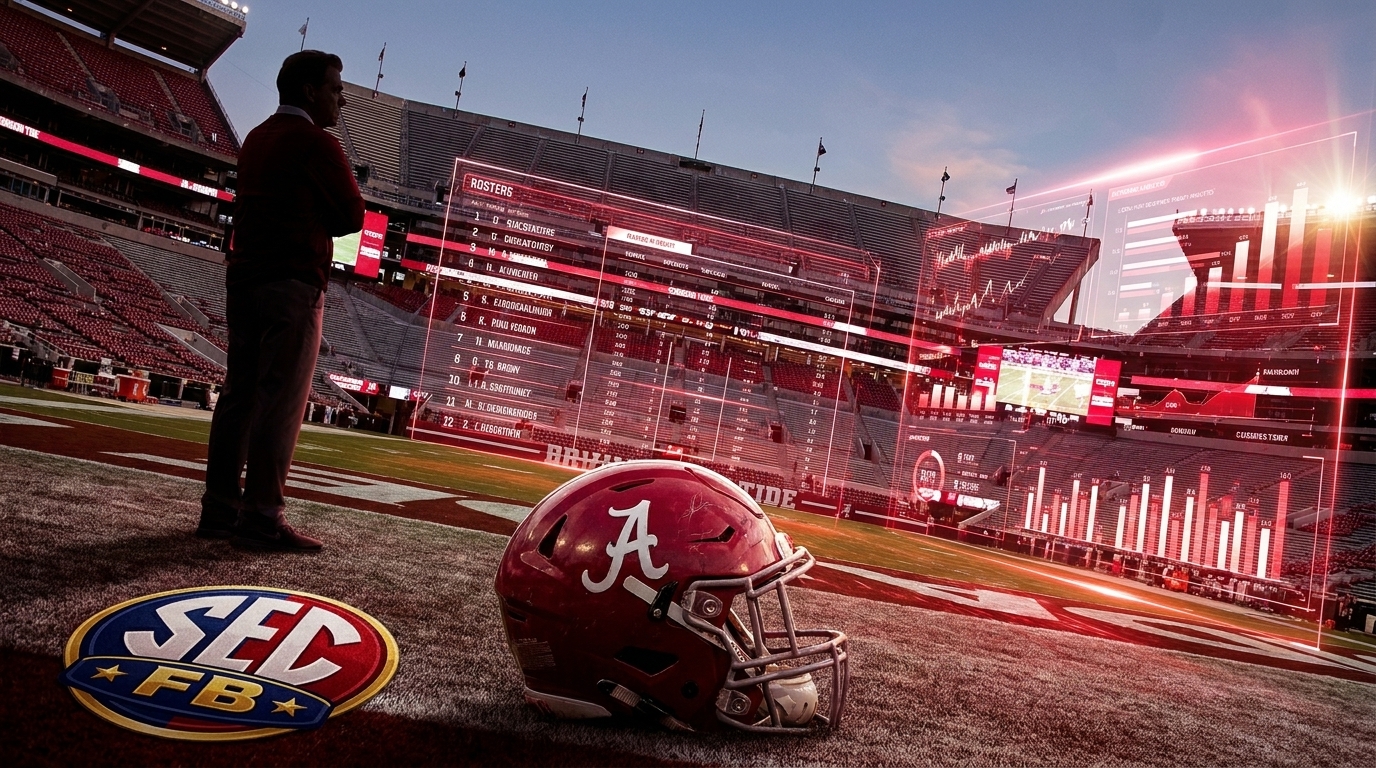
This preview hooks the season in sharp relief. On one side sits Sam Khan Jr. with a traditional roster talent evaluation. On the other sits Austin Mock with a crunching analytics projection model. The debate reads like man versus machine, and it will grow louder as camps progress. However, both approaches drive valuable questions about depth, coaching, and ceiling.
Expect an analytical tone that still feels urgent. We will examine spring evaluations, roster composition, transfer impacts, and projection quirks. Because the calendar now counts down, every practice note and injury update will sway these early standings. Therefore this series balances vivid scouting with cold metrics to forecast where teams will land when the whistle blows.

Man vs Machine: College football preseason top-25 rankings 2026
The two-ranking system frames preseason debate as a contrast of scoutcraft and computation. Sam Khan Jr. issues a roster talent evaluation that centers on film study, positional depth, and high-end traits. Because Khan reads bodies and context, his board highlights pure physical talent and roster construction. As Khan put it, “From a pure physical talent standpoint, there aren’t many rosters that look better than this one.” That line captures his emphasis on elite athletes and lineup balance.
Austin Mock offers the counterpoint with an analytics projection model. His approach weights historical production, returning starters, efficiency metrics, and transfer impacts. Therefore Mock tempers raw talent with measurable projection. He noted, “The quarterback and Coleman situations are what gave me pause here,” which shows how model output can punish uncertainty in key roles.
Both systems carry value, and they often tell different truths. However, they also complement each other. Khan flags curveballs that metrics can miss. Meanwhile, Mock exposes roster fragility that scouting might overlook. The Athletic has covered similar debates for years, and this installment continues that conversation.
Key differences and similarities
- Differences
- Khan emphasizes tape, size, speed, and developmental ceiling. He prizes prospects such as Arch Manning and Cam Coleman for their traits.
- Mock emphasizes predictive stats, trend lines, and depth-adjusted projections. He accounts for transfers like Sam Leavitt and Princewill Umanmielen.
- Khan leans qualitative judgment. Mock leans quantitative algorithms.
- Similarities
- Both rank the same 25 teams and update after spring evaluations.
- Both value quarterback stability and impact players like Colin Simmons.
- Both models react quickly to transfer portal changes and injury news.
In short, the man versus machine framing sharpens preseason analysis. Moreover it offers readers layered insight into how rankings form. As a result, fans gain a clearer view of Alabama and other contenders before camps open.
| Team | Khan Jr. Ranking | Mock Ranking | Top Transfers (impact) | Notable players referenced |
|---|---|---|---|---|
| Alabama | 1 | 2 | Moderate, targeted veteran additions; improved depth (examples: depth pieces from portal) | Arch Manning, Colin Simmons, Bear Alexander |
| Georgia | 2 | 1 | Low, veteran continuity; minimal portal churn | Cam Coleman, Trevor Goosby, Amare Thomas |
| Ohio State | 3 | 4 | High, several starters added via portal; boosts front seven | Drew Mestemaker, Rocco Becht, Conner Weigman |
| Texas A&M | 4 | 3 | High, top transfer class style haul; immediate starters expected | Sam Leavitt, Jordan Seaton, Princewill Umanmielen |
| USC | 5 | 5 | Moderate, selective upgrades; quarterback questions linger | Arch Manning, Julian Sayin, Caleb Hawkins |
Alabama’s spot in College football preseason top 25 rankings 2026
Spring Talent
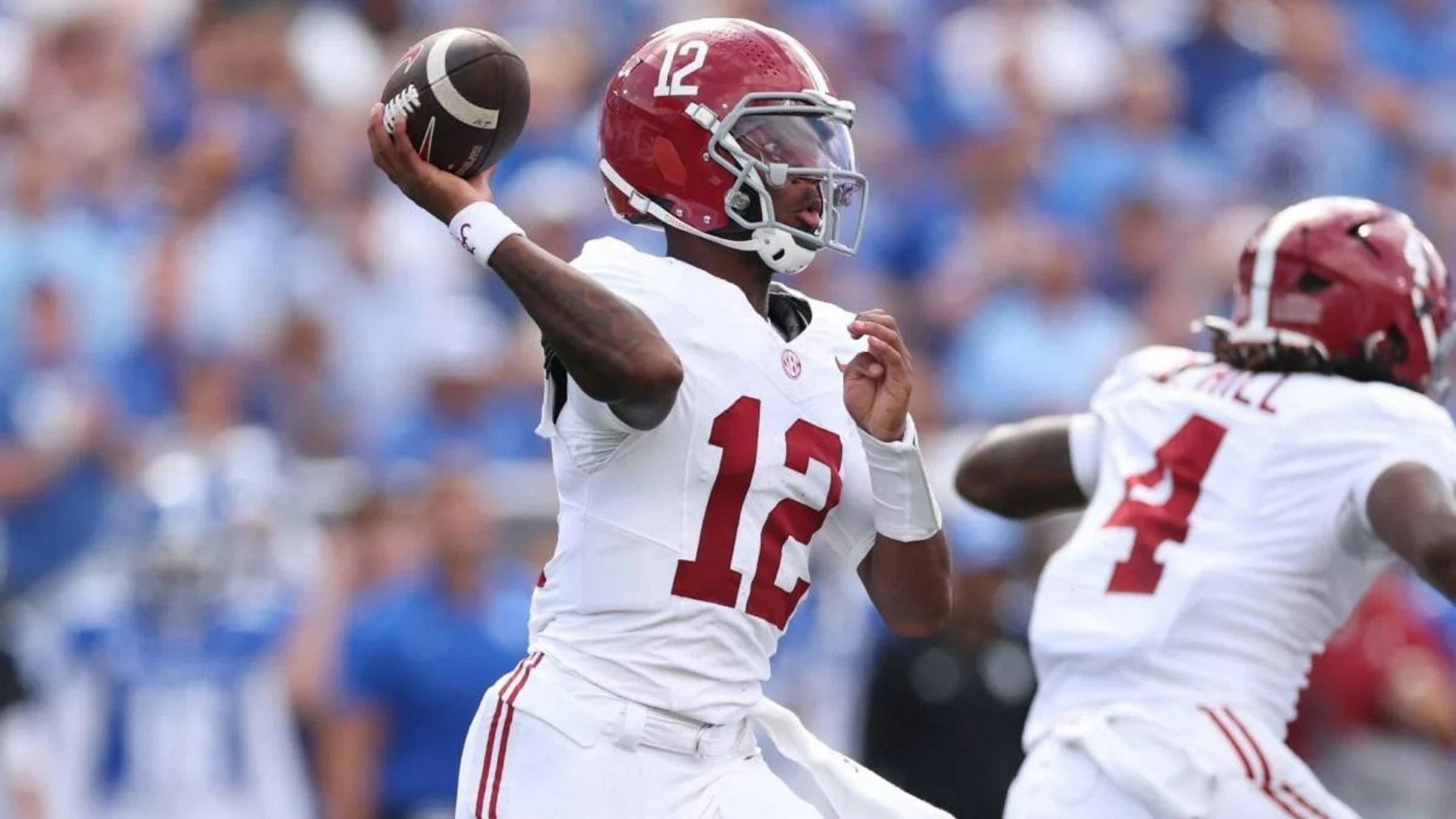
Spring revealed a roster stacked with high end athletes and depth. Sam Khan Jr. bluntly praised the group, calling it “this might be the most star studded team in the land.” From Khan’s perspective the Tide project as physically dominant up and down the roster, with developmental pipeline and coaching that should convert traits into production. Austin Mock acknowledged the same talent but flagged measurable uncertainty at quarterback and in the receiver room, which nudged his model slightly lower.
Transfer Impact
Alabama also invested heavily in the portal, adding experience and positional depth. Those moves should shorten the learning curve and improve resilience against injuries. Key transfers and expected impact:
- Sam Leavitt defensive back expected to start early and stabilize the secondary
- Jordan Seaton offensive lineman projected to add immediate depth and guard versatility
- Princewill Umanmielen linebacker anticipated to boost the front seven and special teams
Taken together these spring evaluations and portal additions lead directly into national title implications.
Outlook
If the Tide can blend elite traits with clearer quarterback play and health they become a top national contender. Nevertheless small uncertainties remain, so march practices and fall camp reports will determine how much ceiling turns into wins.
Conclusion
The man versus machine preseason top-25 rankings show two valuable ways to look at teams. Sam Khan Jr.’s roster talent evaluation spotlights elite athletes, depth, and developmental ceiling. Meanwhile Austin Mock’s analytics projection model translates measurable trends into win projections and risk assessments. Because both approaches highlight different weaknesses and strengths, together they form a fuller picture.
Khan’s scouting points to high-end traits on rosters such as Alabama’s. Mock’s model reveals how uncertainty at quarterback or in the receiver room can change projections. Therefore readers should view rankings as living estimates, not final verdicts. Moreover as spring turns to fall, data and tape will move these boards.
SECFB LLC brings ongoing expertise to this conversation. For regular updates and deeper breakdowns visit SECFB.com and follow on Twitter at @ZachGatsby. As a result you will get timely notes, analytics updates, and roster evaluations.
Stay tuned as the countdown continues. We will update these Man vs Machine rankings through camps and into Week One.
Frequently Asked Questions (FAQs)
What do College football preseason top-25 rankings 2026 tell fans?
Preseason rankings create early narratives and set expectations. Because they combine scouting and data, they signal favorites and dark horses. However, they are not predictions of final records. Instead they offer a snapshot of roster talent, coaching continuity, and transfer portal impact.
What is the difference between the man versus machine approaches?
Sam Khan Jr. uses roster talent evaluation and film study. Austin Mock applies an analytics projection model and historical metrics. Therefore Khan highlights physical traits and developmental ceiling. Meanwhile Mock quantifies risk, returning production, and efficiency.
How does the transfer portal change rankings?
Transfers boost roster depth and immediate talent. As a result, teams like Texas A&M and Alabama move in early boards when they land high-end portal pieces. Moreover transfer class rankings matter most in short windows before camps.
Which method should fans trust more?
Neither approach alone gives the full picture. Combine Khan’s scouting with Mock’s projections for balanced insight. Because both respond to new data, initial lists will shift.
How should I read analytics projections and moving boards?
Treat projections as probability estimates, not certainties. Watch for quarterback clarity and injuries, because those factors sway models. Also follow spring and camp reports to update expectations.