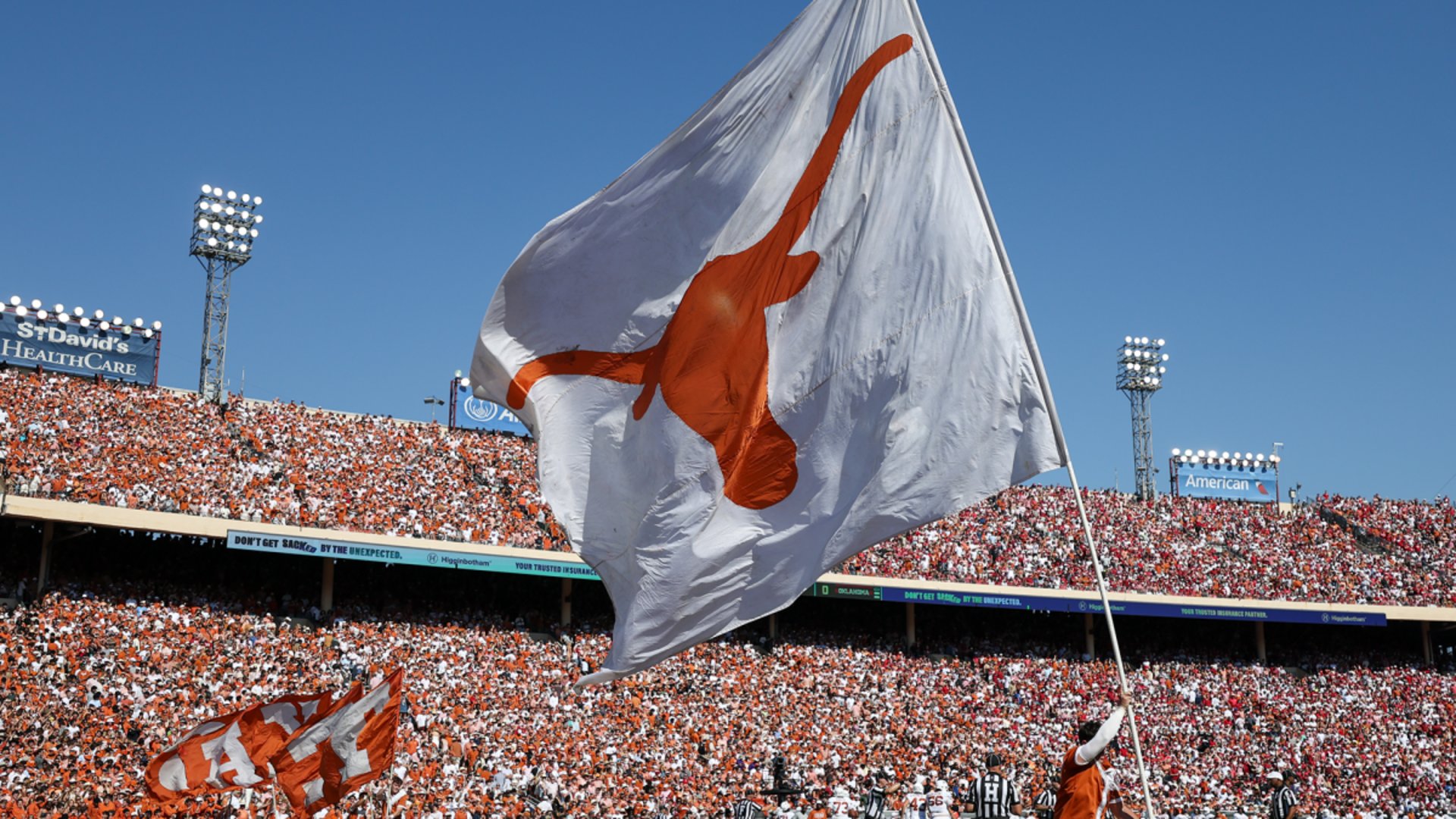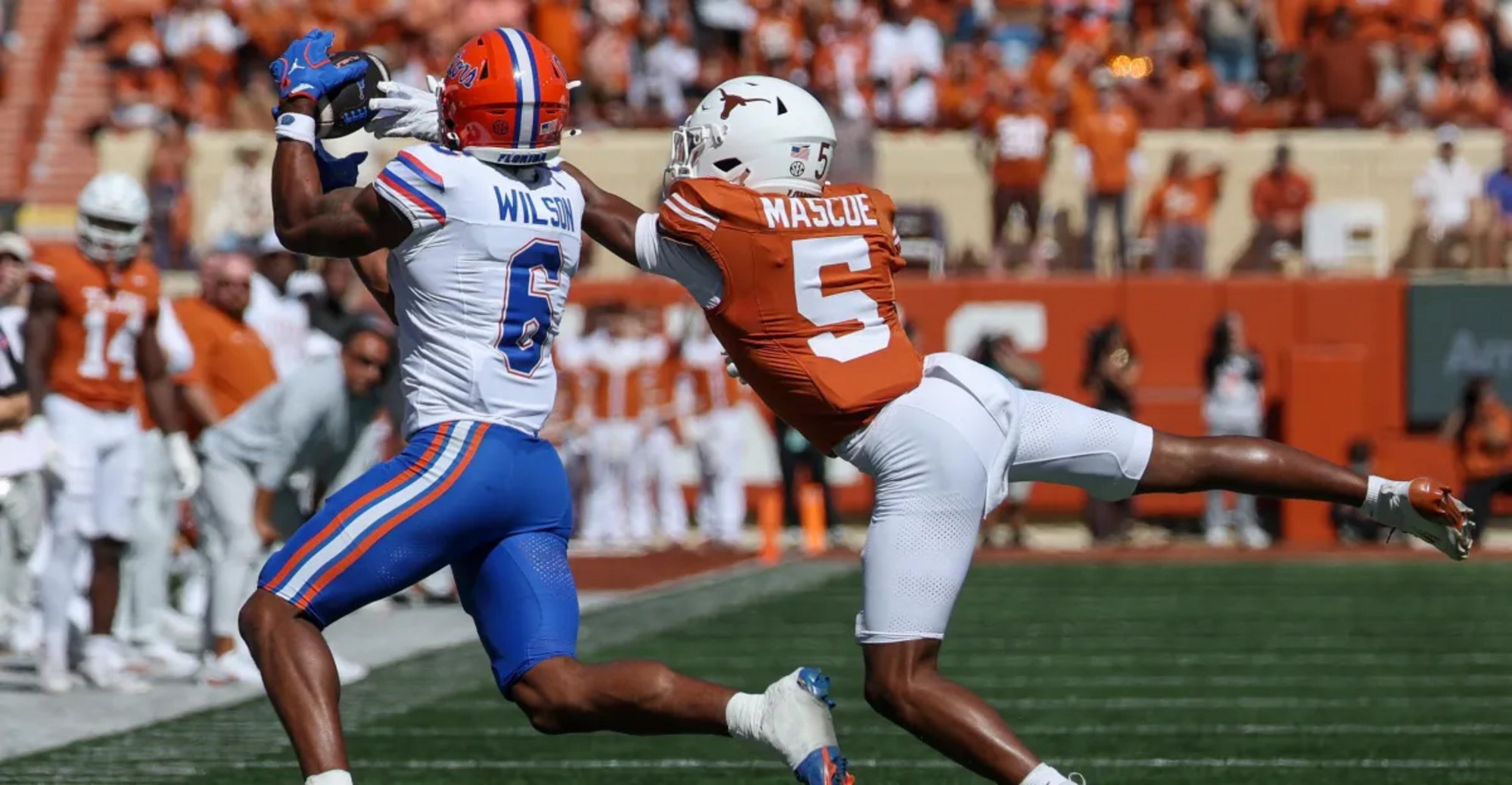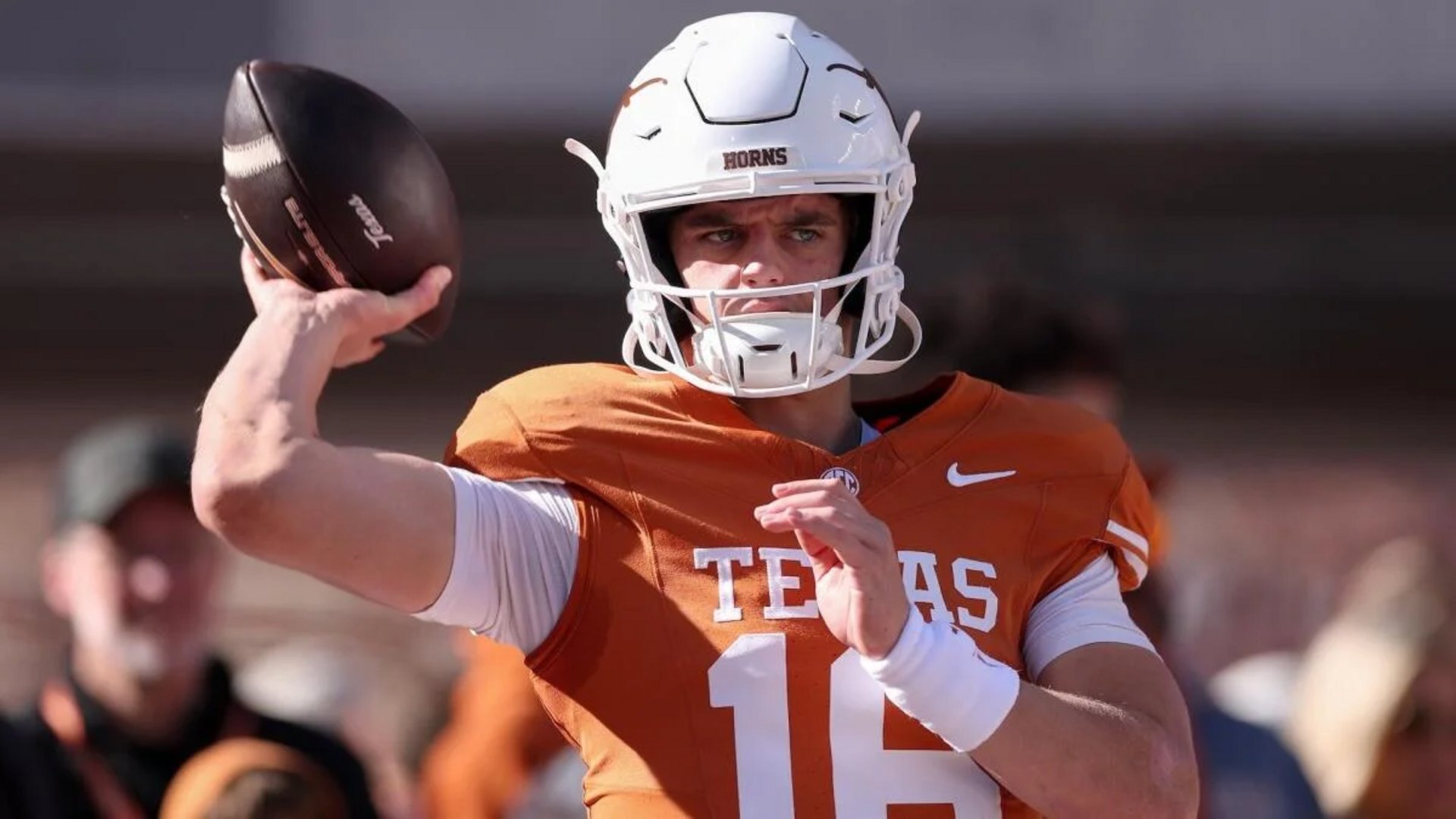
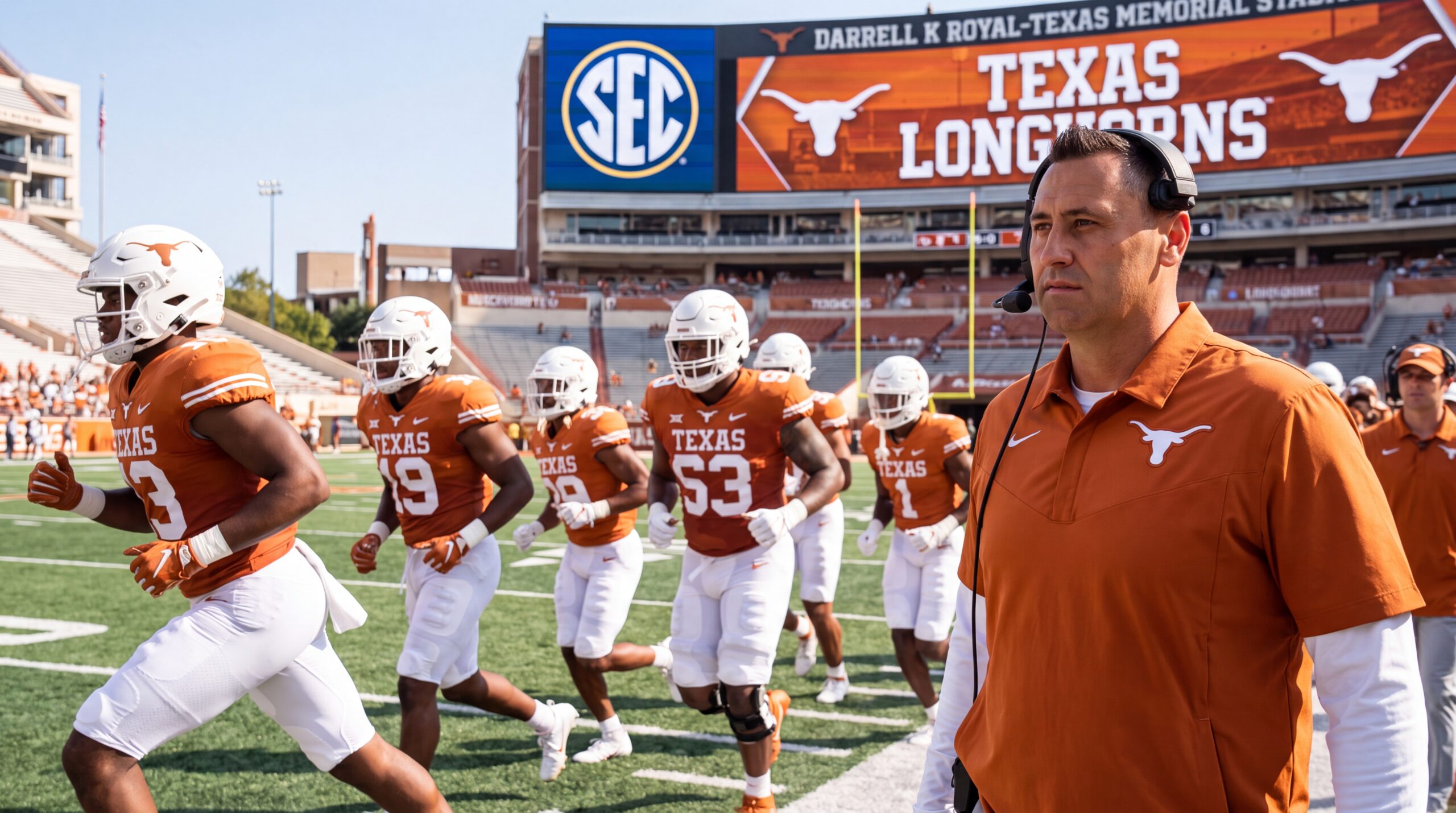
The claim that the Texas Longhorns roster may be the country’s most talented is front-and-center this summer. “Texas Might Have the Most Talented Roster in the Country,” the reporting states, and the Texas Longhorns roster is framed as one of college football’s deepest and most impactful groups heading into the 2026 season.
Texas Longhorns roster snapshot
Short version: under Steve Sarkisian the program has assembled a collection of high-end athletes and experienced contributors across multiple units. The reporting highlights a mix of impact starters and useful depth pieces that, together, create a conceivably elite roster on paper.
That headline sets expectations — it’s an evaluative, comparative claim rather than a definitive ranking. For coaches and fans, the useful takeaway is this: Texas has both top-end talent and enough returning experience to make the roster a preseason talking point for 2026.
How Steve Sarkisian built this roster
Sarkisian’s approach is two-pronged. First, longstanding recruiting emphasis: sustained classes and targeted high-school targets keep the talent pipeline open. Second, opportunistic portal work: the staff has added experienced college players to plug schematic holes and shorten the timeline for contention.
Those moves are reinforced by coaching continuity and a development focus. Bringing transfers who fit the scheme and investing reps in younger players are complementary strategies: transfers provide immediate help while recruits and underclassmen build sustainable depth behind them.
From a coach’s perspective, roster construction here is deliberate — not simply piling up rankings but trying to match player types to scheme needs and succession plans for key roles.
By the numbers
The source points to conventional metrics — recruiting class rankings, transfer-portal haul and returning starter totals — as the backbone of its argument. Those categories are standard signals of roster quality and are useful when read together.
Methodology caveat: the reporting does not publish a full, auditable model. It’s not clear how different inputs are weighted (top-end recruits vs. experienced transfers), whether positional value or injury history is adjusted for, or what cutoffs determine comparative rankings. Without those details, the numerical framing is informative but incomplete.
Put another way, the cited numbers make the claim plausible: they show a pattern of high-end additions and continuity. But readers and evaluators should treat the numeric claim as hypothesis-generating, and watch for more granular public metrics — snap counts, starter continuity, and in-season availability — to validate that hypothesis on the field.
Depth, position groups and roster risks
Talent concentration matters. The reporting suggests multiple high-quality starters across skill positions and the trenches, but depth behind those starters is uneven by group. That variance is where expectations should be tempered.
Main roster risks: injury exposure at thinner positions, the learning curve for younger backups thrown into heavy rotation, and turnover if veteran leaders depart to the draft or transfer before the season. A roster that leans on a small group of impact players can be vulnerable if backup readiness isn’t proven.
Special teams and rotational players are often the overlooked difference-makers in long seasons. How quickly portal additions and recent recruits absorb special-teams duties and situational reps will influence the Longhorns’ capacity to sustain high-level performance through 2026.
What to watch in the 2026 season
Position battles will reveal whether the depth claims hold up: quarterback backup readiness, the development curve of young receivers, and offensive-line continuity across games will be instructive. Early snap distribution and how coaching rotates players in noncritical moments will tell a lot about depth confidence.
Breakout candidates typically come from places with immediate snaps available — rotational defensive backs, slot receivers and running backs who can earn third-down reps and special-teams roles. Track those players in early-season matchups and in the box-score snap splits to see who truly elevates the roster.
Schedule tests — early nonconference games and marquee conference matchups — will be the comparative moments. Those games provide cleaner comparisons to other programs making similar claims about roster talent; performance there will shape external perception and postseason seeding alike.
Key takeaways
Steve Sarkisian and his staff have built a roster that is credibly elite on multiple conventional measures: recruiting, portal additions and returning experience. That combination makes the “most talented” claim defensible as a preseason evaluation.
But the claim depends on metrics whose methodology hasn’t been fully disclosed in the reporting. Treat the assessment as evidence-backed analysis rather than an undisputed ranking. On-field validation over the 2026 season — through depth showings, injury management and performance in high-leverage games — will settle how accurate the preseason picture proves to be.
Source attribution: Texas Longhorns – sportspyder.com — published 2026-07-04T20:29:15.000Z.