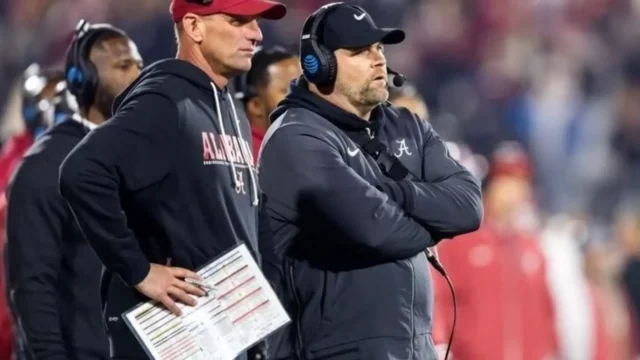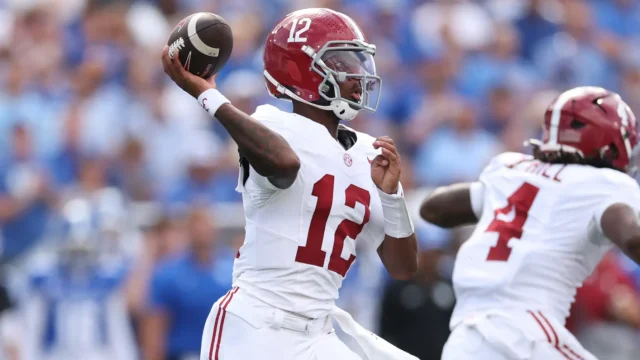
“From a player perspective,” Ha Ha Clinton-Dix wrote on X, “Understanding the system, Believing in what it can do for you instead of a play right now mindset, It’s beautiful to see young men make a decision based off their future is amazing.” That framing puts Alabama stacking quarterbacks front and center as a deliberate, system-first recruiting and development strategy.
Clinton-Dix, Alabama football’s Director of Player Development and a former Tide safety, used the post to underscore a broader message staffers take to recruits: the program will prioritize long-term progression over short-term opportunity. His comments arrived amid continued quarterback activity in recruiting and after NFL draft results that staffers point to when selling the program.
Clinton-Dix’s message
Clinton-Dix’s X post centers on players choosing Alabama for what the system can do to improve their future NFL prospects, not solely for instant starting roles. In his role, he helps frame development pathways and communicates the program’s investment in players beyond the field.
That perspective serves two functions. It reassures recruits and families about player support off the field, and it reinforces a recruiting narrative that life after Alabama — including draft opportunities — is a measurable goal the staff believes it can help deliver.
Recruiting snapshot: the recent QB haul
The reporting notes a clear pattern: Alabama currently holds verbal commitments from two quarterbacks in the 2027 class and two in the 2028 class, and the Tide signed two quarterbacks in the 2026 cycle. Those numbers illustrate why commentators describe the Tide as stacking the quarterback position.
Coaches and analysts call this approach stacking — signing multiple prospects at one position to build competition, depth, and development room. Verbal commitments, however, remain non-binding expressions of intent: recruits may flip before signing or choose alternate plans for myriad reasons.
National recruiting services and independent analysts often track these trends across classes; readers should consult outlets such as 247Sports, Rivals, and public recruiting databases for the latest status of individual prospects. Those services catalog timelines, rankings, and crystal-ball projections that supplement local reporting.
How Kalen DeBoer’s draft track record supports the strategy
The Tide’s recruiting pitch leans on measurable pro outcomes. The report cites that Kalen DeBoer’s last three starting quarterbacks were drafted, with two of the three going in the first round, and identifies Ty Simpson as the latest of those drafted starters. Those draft results are presented by staffers and supporters as evidence the system can elevate quarterbacks to NFL attention.
Using draft history as a selling point is sensible in recruiting: families and agents often look to recent examples to gauge how a program prepares players for the next level. Still, draft results depend on many factors beyond scheme, including individual talent, injuries, pro-day and combine performances, and NFL team evaluations.
Readers should treat draft-related claims as meaningful but not definitive proof of causation. Independent verification against official NFL draft records, team transactions, and scouting reports is recommended when assessing how much a program can be credited for a player’s draft position.
Alabama stacking quarterbacks
There are practical reasons coaches pursue the strategy described above. Stacking quarterbacks creates roster insurance against injury and attrition, fosters internal competition that can sharpen development, and allows coaches to redshirt or rotate players to match their learning curves.
From a recruiting standpoint, packaging a program as a quarterback-development factory is persuasive: prospects see a mix of coaching attention, competition, and visible NFL outcomes. Clinton-Dix’s public statement amplifies that pitch by presenting the plan as player-centered and future focused.
At the same time, stacking is not a guarantee. The presence of multiple prospects increases competition but can also complicate playing-time expectations. Recruiting pitches often balance those realities and leave room for individual decisions about fit and playing opportunity.
Source and context
This analysis is based on reporting by tdalabamamag.com, which published Clinton-Dix’s X post along with the recruiting and draft details. For further reading, see the original piece linked below.
Readers should note limitations in public reporting: verbal commitments are non-binding, and draft claims — while informative — should be checked against official NFL draft records and cross-referenced with recruiting databases and national outlets for a fuller picture. Where possible, consult primary sources such as official team announcements, signing-day documents, and NFL draft logs.
What comes next
Expect the staff to continue presenting the system-first argument to recruits while monitoring class balance and roster needs. Analysts will watch how signed and verbally committed quarterbacks progress in camp and whether draft-year outcomes continue to support the staff’s pitch.
For readers tracking these storylines, follow official signing announcements, national recruiting services, and the NFL draft logs for confirmation of any draft-related assertions.
Reporting note: This article summarizes the tdalabamamag.com report and related context. Draft outcomes and recruiting statuses referenced here are based on that reporting and should be verified through official draft records and recruiting databases for independent confirmation.