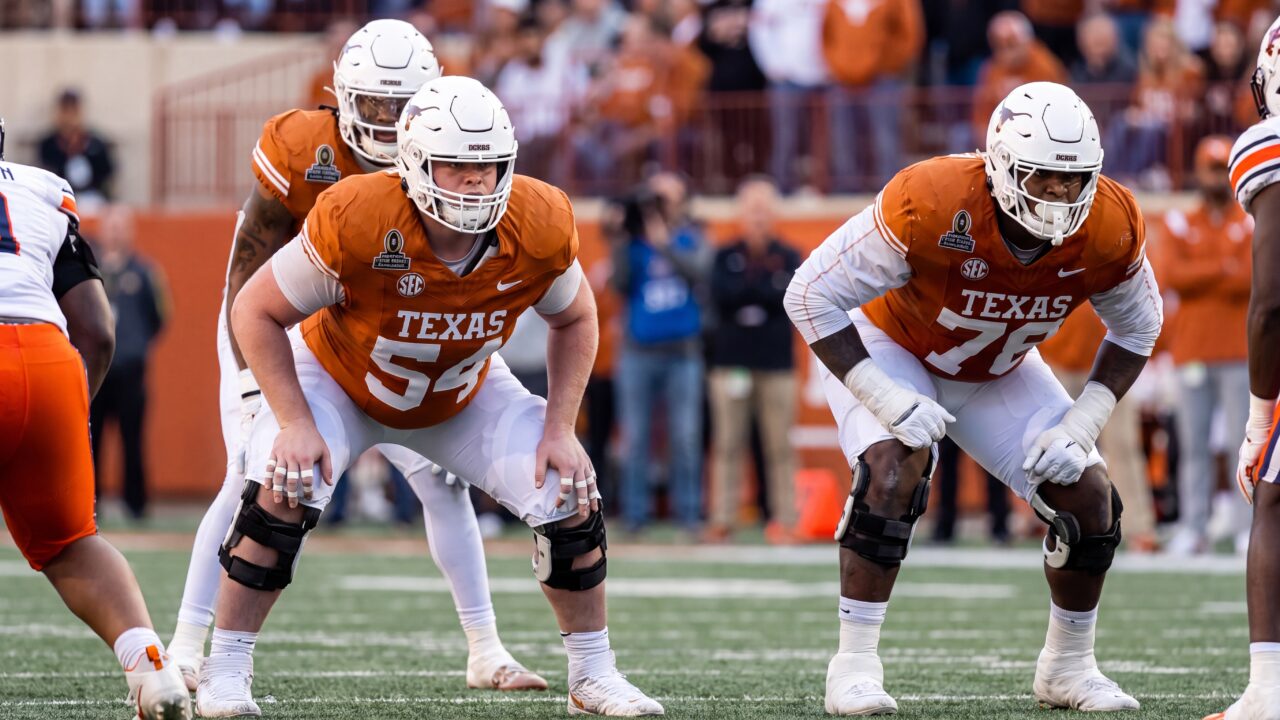
The Cole Hutson lawsuit NCAA eligibility filing landed as one of the most consequential off-field developments for Texas this summer because it directly ties legal interpretation of the NCAA’s Seasons of Competition Rule to roster availability for 2026. Hutson’s claim, if successful, would alter the Longhorns’ offensive-line picture heading into a season when Texas is expected to contend.
The complaint was filed in Collin County by attorney David Obard, and reporting with the court details is available from Saturday Down South. The suit challenges how the NCAA applied Bylaw 12.6 after the association adopted a post-2022 rule allowing certain players to use five seasons of competition without a redshirt year. The filing links that rule change directly to Hutson’s request for an additional season of competition and to related scholarship and NIL consequences.
Key Takeaways
- Cole Hutson seeks a court ruling that Bylaw 12.6 was misapplied to him and that he should have eligibility for the 2026 season.
- The complaint ties the claim to the NCAA’s post-2022 five-seasons policy and challenges its application to Hutson’s timeline.
- The lawsuit asserts the NCAA’s interpretation limits the number of games he can play and restricts his scholarship and NIL earning opportunities.
- The case was filed in Collin County by attorney David Obard and the complaint notes Hutson played 48 games for Texas from 2022–2025.
Cole Hutson lawsuit NCAA eligibility explained
The filing mounts a direct challenge to the NCAA’s Seasons of Competition Rule as codified in Bylaw 12.6, arguing the association misapplied that bylaw after its post-2022 rule change. The complaint contends the recent change allowing players who graduated high school after 2022 to use five seasons without a redshirt should operate in Hutson’s favor.
The complaint states it “challenges defendant’s Seasons of Competition Rule in NCAA Bylaw 12.6 as applied to him in light of defendant’s recent rule change allowing football players graduating high school after 2022 to compete in five seasons of competition without needing to redshirt.” The suit further alleges the NCAA’s application “unfairly limits the number of games he can participate in during his five-year eligibility window” and restrains scholarship and NIL opportunities tied to active collegiate status.
Why Hutson’s on-field timeline matters
The complaint anchors its request in Hutson’s playing history, which the filing describes as four seasons with Texas spanning from 2022 through 2025 and totaling 48 games played. That history is central because the five-seasons rule specifically governs how many seasons a player is credited with and how redshirt and eligibility windows are counted.
Hutson’s trajectory at Texas included a 13-game freshman starting role, reserve contributions in later seasons, and a 10-game starting appearance in 2025. After going undrafted in 2026, he participated in a minicamp with the Dallas Cowboys, but the lawsuit seeks to restore or confirm his ability to compete in college for the 2026 fall season.
Legal posture and next steps
The suit is a civil filing in Collin County and will proceed through the local court system unless resolved or dismissed. The complaint frames both a statutory interpretation claim against Bylaw 12.6 and an argument that the NCAA’s administrative application curtailed normal collegiate opportunities tied to active eligibility.
Procedurally, case management filings, potential emergency motions, and the NCAA’s response through counsel will dictate timing and whether the dispute can be resolved before 2026 rosters are finalized. Those procedural choices will determine if the case has practical roster implications for Texas in time for next season.
Hutson seasons and eligibility compared
| Category | Verified detail |
|---|---|
| Seasons played for Texas | Four seasons from 2022–2025 with 48 games played as described in the complaint and related coverage |
| NCAA rule change referenced | Post-2022 policy allowing players who graduated high school after 2022 to compete in five seasons without a redshirt is the rule cited in the filing |
| Claimed legal effects | The suit argues the NCAA’s application of Bylaw 12.6 improperly limits games, scholarship access, and NIL income within Hutson’s eligibility window |
How a ruling could reshape Texas offensive line depth and CFP hopes
From a roster-construction standpoint, a ruling for Hutson would immediately change depth charts and provide Texas with a veteran interior lineman option for 2026. That veteran presence matters as the program manages returning starters, incoming recruits, and development of younger linemen.
Recruiting and NIL planning could also be affected if the NCAA’s application of seasons of competition is clarified by a court decision, creating precedent for other players with similar timelines to seek reinstatement. The complaint explicitly ties eligibility to scholarship status and NIL earning opportunities, which programs will consider when weighing current signees against potential returning veterans.
The complaint was filed in Collin County by attorney David Obard, and filing specifics were documented by Wescott Eberts.