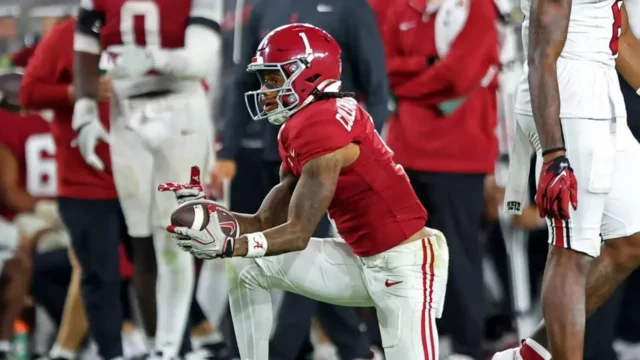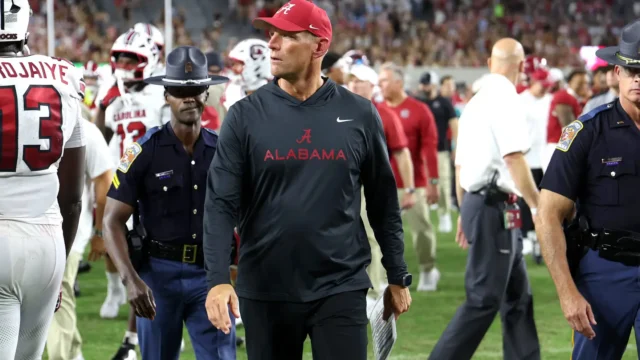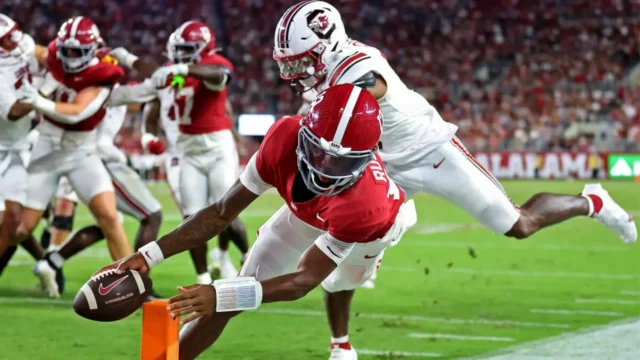
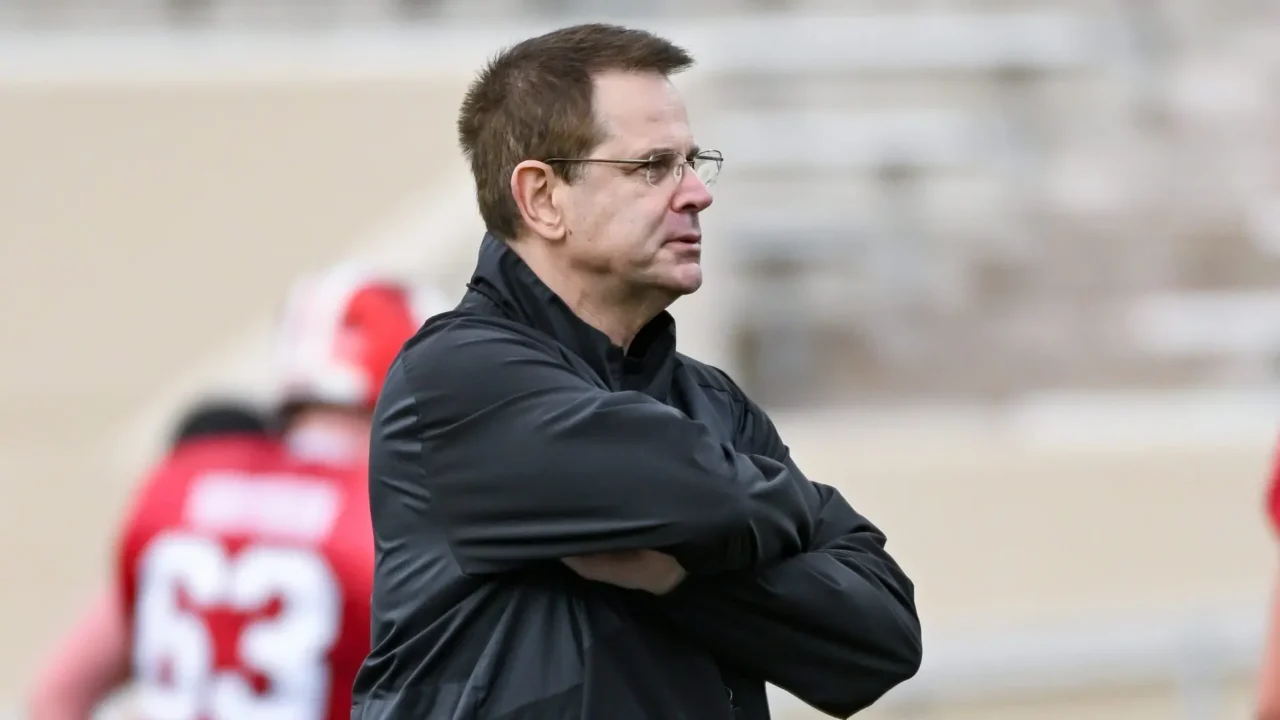
The moment came early in the second quarter and it shaped the tone for the rest of the Rose Bowl: Kalen DeBoer chose to go for it on fourth-and-1 from Alabama’s own 34, and the Crimson Tide came up short.
That failed conversion handed Indiana not just field position but momentum, and four plays later the Hoosiers had a touchdown that widened the gap in a 38-3 game. Reporting on the play and Curt Cignetti’s reaction appears in Saturday Down South.
Key Takeaways
- Alabama went for it on fourth-and-1 from its own 34 and failed to convert, turning the ball over on downs.
- Four plays after the turnover, Indiana scored a touchdown that shifted momentum decisively in the Rose Bowl.
- Curt Cignetti said Indiana was prepared for DeBoer’s short-yardage tendencies and was not fooled by the tactic.
- Indiana finished the season undefeated, won the national title and featured Heisman winner Fernando Mendoza.
How Kalen DeBoer fourth-and-1 shifted Rose Bowl momentum
Situational football is a coach’s ledger, and DeBoer’s call on fourth-and-1 from his own 34 is the kind of ledger entry that gets replayed in staff meetings for a season.
When you elect to go for it on your side of the field, the margin for error is microscopic because a failed attempt hands the opponent both short field and a psychological boost.
The play itself — a failed conversion that resulted in a turnover on downs — directly produced a scoring sequence for Indiana four snaps later.
In a game that finished 38-3, that short-yardage decision accelerated a slide rather than stemmed it.
Curt Cignetti framed his view plainly after the game, telling ESPN’s Rece Davis and relayed by AL.com’s Nick Kelly that DeBoer is a respected offensive mind but that Alabama can be “a little tricky and cute” in short-yardage situations.
Cignetti said Indiana came prepared for that look and made the stop the Hoosiers needed.
Kalen DeBoer short yardage approach and on field pattern
DeBoer’s aggressive posture in short-yardage spots has been part of his offensive toolkit, and that can create high-reward plays when it works.
The risk-reward calculation changes, though, when the call is on your own 34; the downside is immediate and consequential.
From the on-field perspective, Indiana’s preparation showed in personnel alignment and gap control on the stop.
Cignetti’s tape study with game-day interviewers highlighted how the Hoosiers were not surprised by the look and were positioned to capitalize when Alabama failed to get the yard.
That sequence matters because it was an early swing that allowed Indiana to press an advantage rather than respond from behind.
Rose Bowl facts and season context
| Item | Fact |
|---|---|
| Final score | Indiana 38, Alabama 3 |
| Indiana season averages | 41.6 points per game scored and 11.6 points allowed |
| Pivotal sequence | Alabama failed 4th-and-1 from own 34, turned it over on downs, and Indiana scored four plays later |
| Accolade | Fernando Mendoza won the Heisman and Indiana completed an undefeated season to capture its first national title |
What Alabama must fix for recruiting and 2025 College Football Playoff math
From a roster-construction and recruiting angle, situational execution on short-yardage downs is a teachable area that impacts more than a single call.
Prospective recruits and staff evaluators watch how a program handles critical moments, and consistent negative outcomes create narratives that can complicate rebuilding efforts.
For Alabama to reassert itself in the CFP conversation, the staff will need to blend explicit short-yardage packages with reliable personnel groupings that reduce variance and demonstrate corrective teaching and situational consistency.