Jayden Daniels jersey dispute has become one of the offseason’s most talked-about storylines for LSU, touching on player legacy, roster symbolism and the program’s approach to honoring past stars.
The situation escalated after reports that Daniels’ legal team sent a cease-and-desist over use of his name, image and likeness following LSU’s decision to allow freshman cornerback DJ Pickett to wear No. 5, and that reporting is summarized by CFB-HQ On SI.
Key Takeaways
- The Jayden Daniels jersey dispute centers on a reportedly sent cease-and-desist demanding LSU stop using his name, image and likeness after the school reassigned his No. 5 to a current player.
- Freshman defensive back DJ Pickett has been permitted to wear No. 5, a decision tied to a prior recruiting promise and a reported bylaw change allowing post-2007 numbers to be reused at coach discretion.
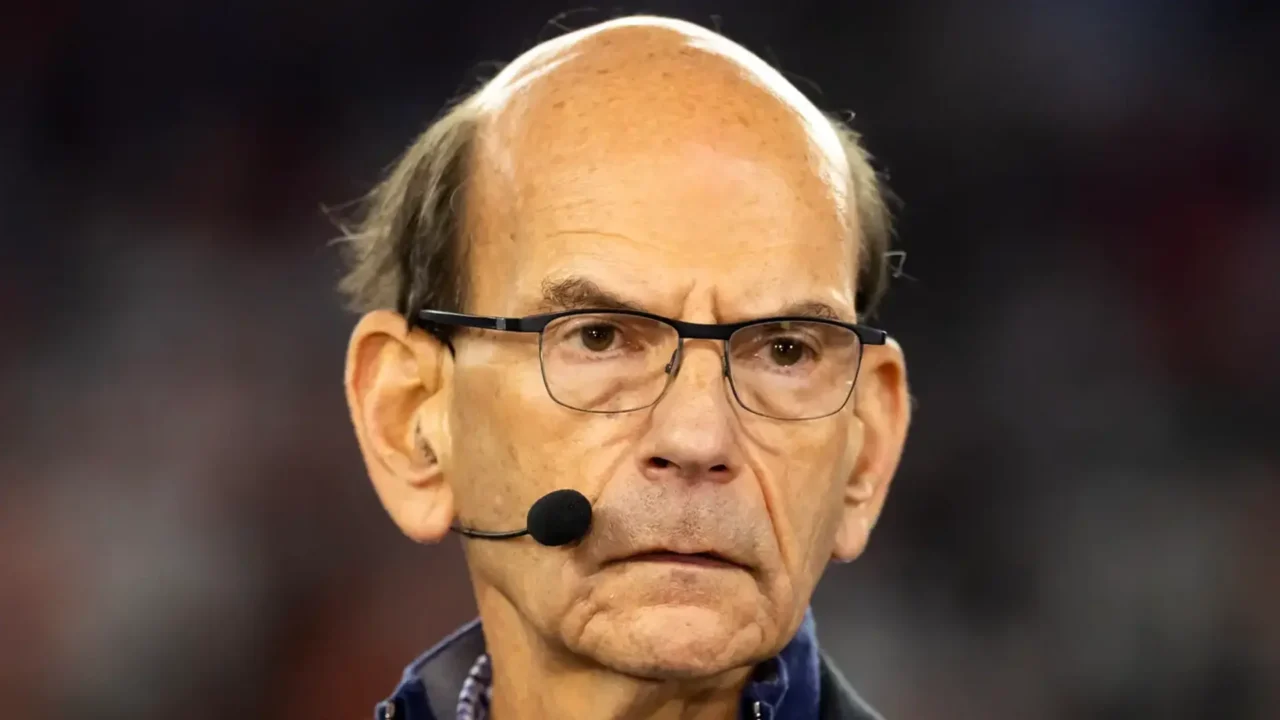
- Radio commentator Paul Finebaum publicly condemned Daniels’ legal approach, saying the move could sever ties between the former quarterback and the LSU community.
Jayden Daniels jersey dispute and LSU decision to allow No 5 to DJ Pickett
The core of the disagreement is straightforward: a high-profile alum and Heisman winner objects to the program allowing his former number back into circulation.
The reported cease-and-desist accuses the university of using Daniels’ name, image and likeness in ways his legal team found objectionable.
LSU’s choice to hand No. 5 to a freshman reportedly honored a recruiting promise made by the prior staff, and background reporting indicates the school changed its bylaws so numbers retired after January 2007 can be worn again at the discretion of program leadership.
That procedural shift is central to why the number was available this offseason.
Paul Finebaum, speaking on Washington, D.C.-based 106.7 FM The Fan, framed the legal action as a strategic error that risks alienating an alumni base in Baton Rouge.
His on-air comments called the move “a dumber, more senseless move” and warned that, in his view, LSU could be done with Daniels going forward.
Daniels has responded publicly through a short statement posted to his Instagram story that he is focused on Commanders training camp and hopes the matter can be worked out privately.
He acknowledged gratitude for his time at LSU while signaling he prefers the business dispute not to overshadow his NFL preparations.
Number legacy and LSU policy table
| Jersey number | Last worn | Current status |
|---|---|---|
| No. 5 | Last worn by Jayden Daniels in 2023 | Reassigned to freshman DJ Pickett after a reported bylaw change |
| No. 9 | Last worn by Joe Burrow in 2019 | Not currently assigned following the 2019 season |
| No. 20 | Historically linked to Billy Cannon | Officially retired and not available for reassignment |
The table above compiles verified context about LSU’s most-discussed numbers and highlights how the program treats each legacy jersey differently.
No. 20 stands apart as the only number officially retired, while No. 5 and No.
9 have been withheld from play for recent stars until administrative decisions changed availability.
Why the dispute matters for recruiting and roster trust
Jersey numbers carry outsized symbolic weight in college football recruiting conversations, and a program’s willingness to respect informal legacies can feed into future recruits’ expectations.
When a staff promises a number as part of a pitch, reversing course or changing assignment rules invites skepticism on the trail.
Even absent confirmed financial claims, public legal actions between a program and a recent star complicate alumni relations and the narrative a recruiting staff sells to prospects and families.
High school recruits and their camps notice how a school handles its icons, and perceived slights can factor into decision-making.
From a roster construction standpoint, the practical impact is small — a number reassignment doesn’t change depth charts — but the symbolic cost can be noticeable in locker-room morale and public perception, especially when amplified by national media voices.
Recruiting, NIL and College Football Playoff ripple effects for the SEC
Any public spat involving a high-profile alum, a program and a reported legal notice has potential downstream effects on recruiting and NIL relationships across the conference.
Programs in the SEC compete on brand, tradition and visibility; disputes that fracture goodwill can tilt marginal recruiting battles one way or another.
For LSU specifically, the episode intersects with how the program positions itself to prospects who value number legacy, alumni support and stability.
Opponents and boosters will watch whether the disagreement is resolved quietly or becomes a longer reputational issue that impacts donor sentiment or recruiting conversations.
At the CFP level, this type of controversy is unlikely to alter on-field outcomes in isolation, but cumulative effects on roster acquisition and community backing can influence a program’s trajectory over multiple seasons.