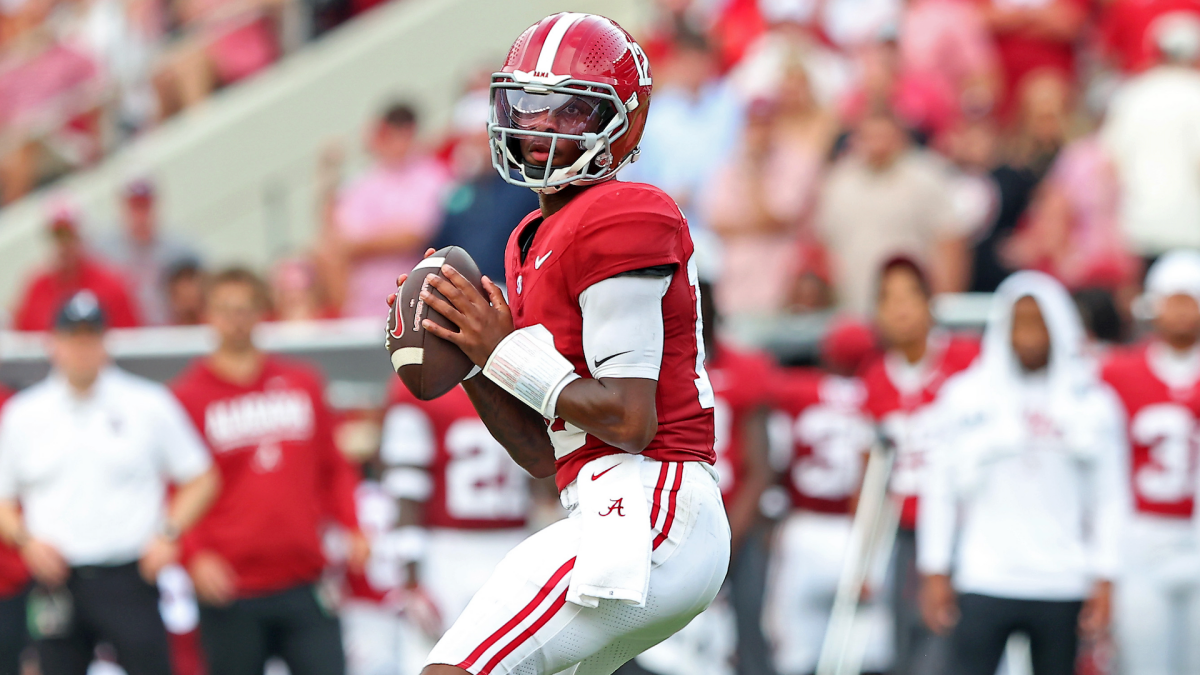
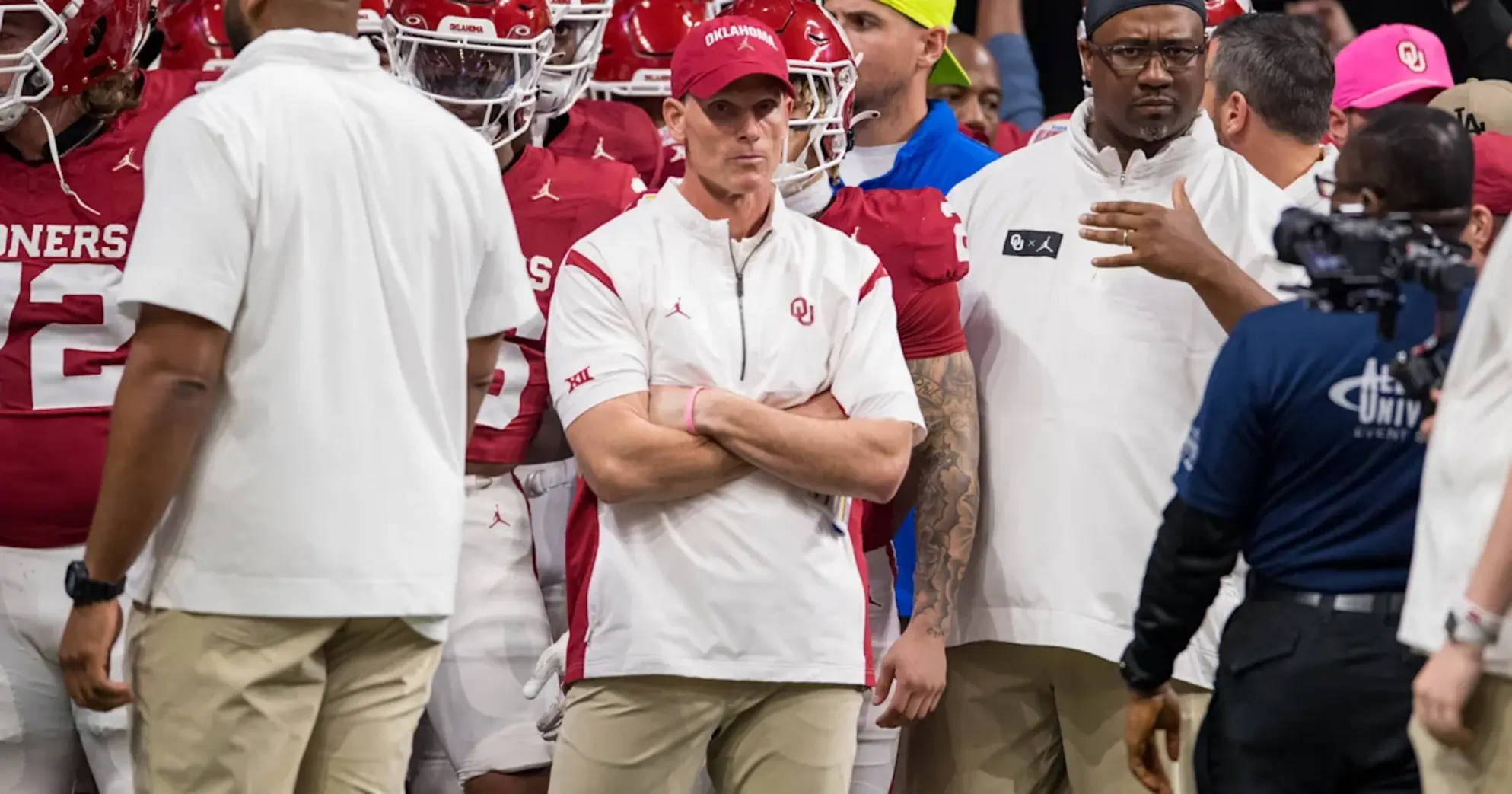
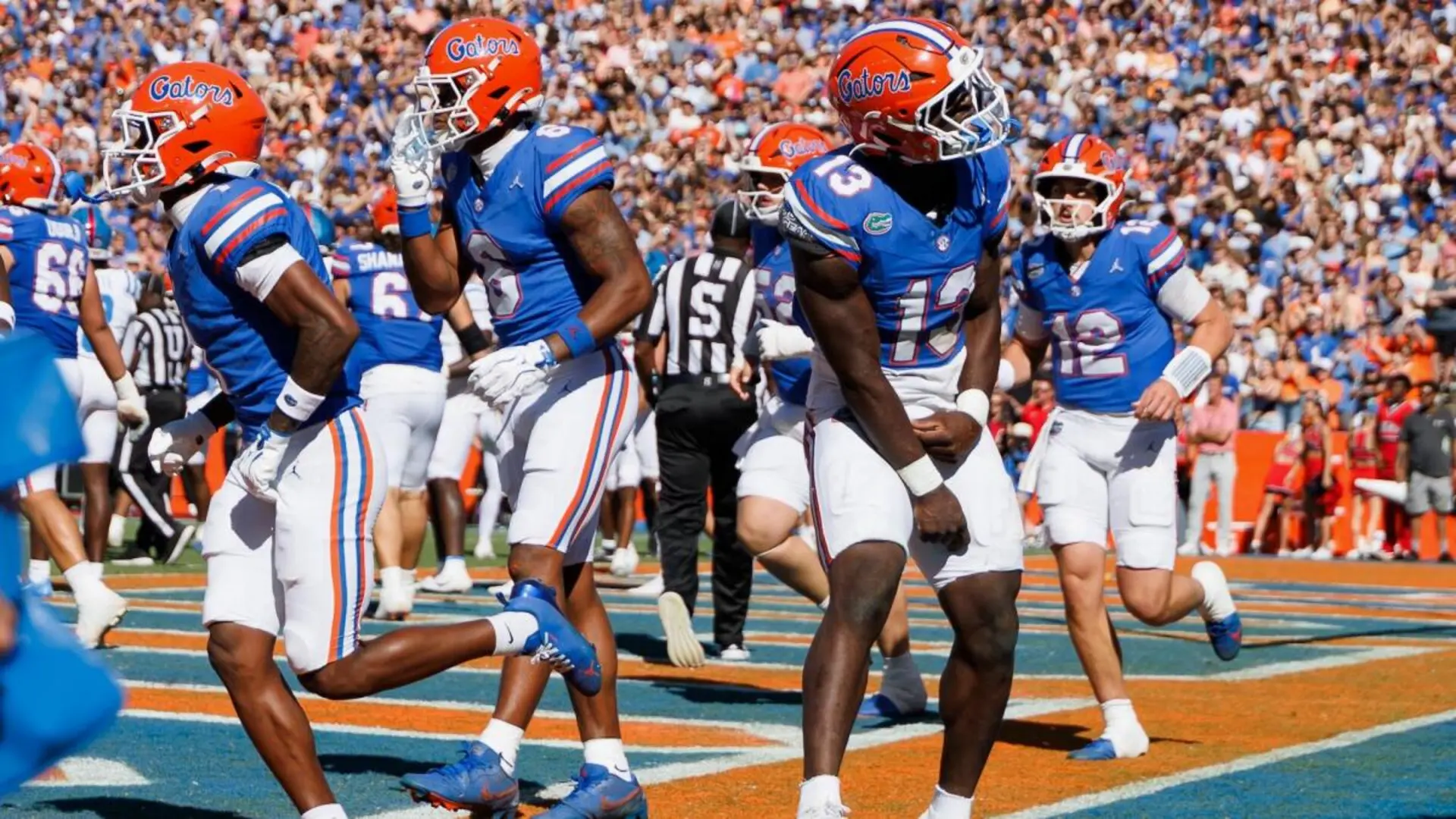
The first public glimpses of the Lane Kiffin LSU fall scrimmage arrived in the form of short clips from a closed session, and those moments mattered because they provided the earliest game-speed view of how the offense might take shape before the season opener against Clemson
Reporting and on-field observation from the session show the biggest unsettled jobs are clustered on the offensive line, in the running back room and across a retooled receiver corps, and the staff has to settle a handful of those questions before pads come on full-time. For the original reporting and practice detail see the coverage from LSU Tigers On SI
Key Takeaways
- The 11th-ranked LSU Tigers closed week two of fall camp with their first scrimmage of the Lane Kiffin era.
- Primary battles remain at left guard, right tackle, the running back rotation and receiver depth.
- Colorado transfer Jordan Seaton has entrenched at left tackle while Braelin Moore is holding the center spot.
- Wisconsin transfer Dilin Jones is leading backfield drill rotations under new running backs coach Kevin Smith.
Lane Kiffin LSU fall scrimmage highlights offensive line uncertainty
The most immediate takeaway from the closed scrimmage clips is that the left tackle and center pieces look settled while the right side of the line remains in flux
Jordan Seaton’s offseason body work and practice reps have him locked at left tackle, and Braelin Moore has continued to hold the center position in team work, creating a spine the staff can build around
Left guard is still a two-man fight between Bo Bordelon and Ole Miss transfer Devin Harper, and right tackle carries even more question after Weston Davis’s struggles last season gave transfer Darrin Strey a window to push into contention
How the right side of the line will shape LSU’s early offense
Those right-side questions are consequential because continuity at right tackle and left guard affects run fits and pass protection calls that will determine early-game play-calling choices
Coaches are paying close attention as practices ramp up in physicality; the staff needs answers before opponent scouting ramps up ahead of the opener
What the clips revealed was progress from contenders but not finality — the job at right tackle in particular is still being earned rather than awarded
Running back rotation under Kevin Smith shows a new pecking order
The running back room has a clear leader in reps: Wisconsin transfer Dilin Jones has been first in backfield drill rotations through fall camp
Kevin Smith, the new running backs coach who came with the current staff, has used Jones at the top of early reps while keeping returners Caden Durham and Harlem Berry involved in ways that reflect their receiving strengths
Coaching cues from camp indicate LSU does not expect this to become a single-back rotation; Durham and Berry provide pass-catching options that fit the up-tempo approach being installed
Receiver corps depth is being built through transfers and opportunities from injuries
The receiver room is the most overhauled unit, with nine players added via the transfer portal and an active competition across the depth chart
Names like Jayce Brown, Jackson Harris and Eugene Wilson have begun to separate themselves in early practice, and Winston Watkins Jr.’s absence with an injury has opened extra reps for Malik Elzy and Tre Brown
The early read from camp clips is simple: the receiver room looks deep and contested, which gives the staff flexibility entering the opener but also delays definitive starting-lineup clarity
Position comparison for key battles
| Position | Leading candidate(s) | Observed advantage |
|---|---|---|
| Left tackle | Jordan Seaton | Entrenched after offseason body transformation and consistent reps |
| Center | Braelin Moore | Holding down the middle in team periods |
| Left guard | Bo Bordelon, Devin Harper | Ongoing competition with neither player fully separating in early team work |
| Right tackle | Weston Davis, Darrin Strey | Right side remains the staff’s primary watch area after last season’s struggles |
| Running back | Dilin Jones, Caden Durham, Harlem Berry | Jones leading rotations while Durham and Berry provide receiving matchups in the scheme |
| Top receivers | Jayce Brown, Jackson Harris, Eugene Wilson, Winston Watkins Jr. | Multiple newcomers separating early; Watkins Jr.’s missed reps have given opportunities to others |
How these position battles affect LSU’s SEC path and CFP chances
Offensive-line clarity — particularly resolving the right tackle and left guard spots — matters for both short-yardage identity and pass-protection reliability against SEC front sevens
Depth at receiver built through the portal shortens the timeline for the offense to produce immediately, but injuries and unsettled starters still create early-season risk when LSU meets a power opponent in the opener
The running back rotation gives LSU multiple schematic looks, which helps with third-down passing packages and situational calls against quality SEC defenses
Evaluations here are based on limited public clips from a closed scrimmage and early fall camp work, so starters remain unsettled while the staff continues to sort reps and ramp physicality. Original reporting and on-field observation informed this assessment