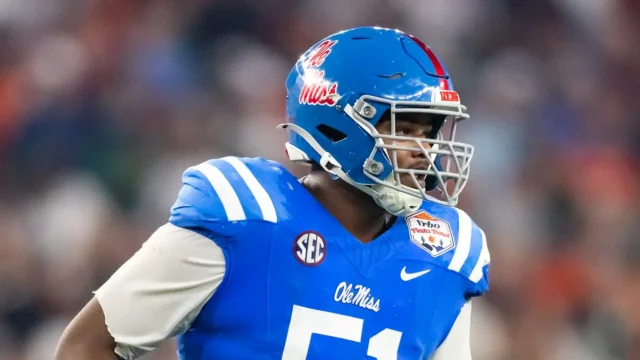
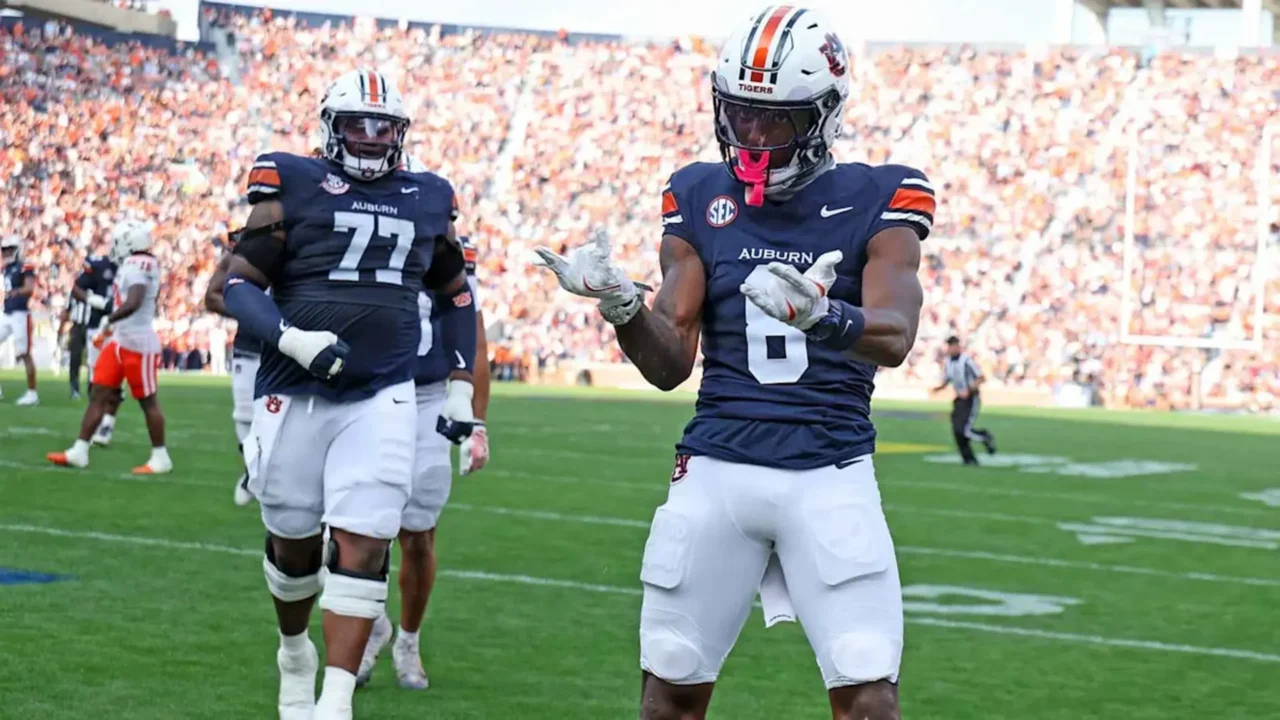
Cam Coleman sits at the center of a growing pre-draft conversation after an NFL Draft analyst suggested he should receive the evaluative approach dubbed the “Jeremiah Smith treatment.” That framing shifts attention from raw box-score totals to the specific traits evaluators prize at the next level.
The take was brought into the public conversation by reporting from Yahoo Sports and credits analysis that first made the comparison. For Texas Longhorns followers, the label reframes how pro evaluators might measure Coleman against peers during pre-draft workouts and interviews.
Key Takeaways
- An NFL Draft analyst argued Cam Coleman merits the Jeremiah Smith treatment, elevating his pre-draft profile.
- The argument shifts focus toward traits and role fit rather than only box-score production for draft evaluation.
- The take could alter how NFL teams and scouts allocate attention during the combine and pro day process.
- The long-term impact for Texas depends on how staff and NFL evaluators reconcile college usage with pro projections.
Why Cam Coleman draws Jeremiah Smith treatment
The analyst’s comparison centers on the idea that Coleman possesses evaluative traits better revealed through targeted pre-draft scrutiny than by headline statistics alone. Reporting credits Lorenzo J. Reyna for laying out the claim and ties the insight to a broader projection of Coleman as a prospect worth closer attention.
The label signals that scouts should prioritize positional fit and trait measurement when assessing Coleman ahead of the NFL Draft. That focus mirrors prior cases where concentrated evaluation altered a player’s perceived draft trajectory.
Coleman scouting profile and gaps
From a team-building standpoint, Coleman represents a profile that invites both intrigue and questions from pro personnel departments. Scouts will parse trait work, scheme translation and role projection to reconcile college usage with NFL roles.
Evaluators will be watching for how his skills project to specific pro roles and how Texas deployed him in college game plans. The suggested “treatment” emphasizes film, athletic testing and interviews over simple production metrics.
Comparing Coleman and Jeremiah Smith
The parallel drawn between Coleman and Jeremiah Smith is functional: both are prospects whose draft narratives were shaped when evaluators prioritized traits and fit over box-score narratives. That comparison is meant to show how concentrated scouting attention can reframe projection.
Draft Narrative Comparison for Coleman and Smith
| Area | Cam Coleman | Jeremiah Smith |
|---|---|---|
| Draft narrative | Recent analyst push advocates a focused evaluative approach to highlight pro traits | Previously received targeted attention that reframed pre-draft perceptions |
| Evaluation emphasis | Recommended focus on trait translation and role fit rather than headline stats | Evaluation centered on specific traits and scheme fit that appealed to NFL fit discussions |
| Pre-draft attention | Now subject to increased scrutiny from analysts and potentially NFL teams | Served as an example of how concentrated scouting attention can alter draft outlook |
SEC implications for Texas roster and the Draft
Any uptick in draft attention around Coleman affects Texas roster planning and the program’s draft-building narrative. If NFL evaluators apply a deeper, trait-focused review, that may change draft-slot expectations for Coleman and how staff manage reps to showcase pro-facing traits.
On the conference level, individual evaluative shifts can ripple into recruiting and roster construction across the 16-team SEC. When a Longhorn prospect attracts focused pro attention, it can influence how future recruits view development pathways and how staff allocate practice and pro day opportunities.