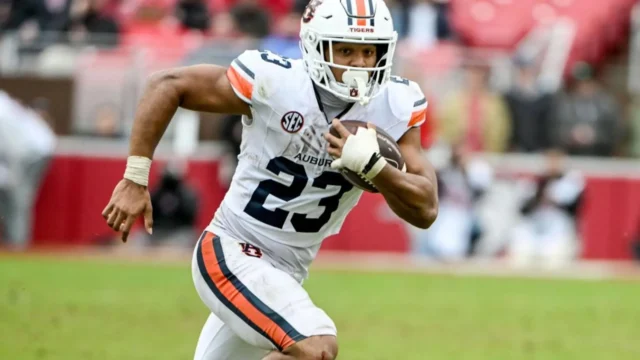
Mark Mitchell transfer eligibility for Kentucky is unsettled after a court action that allowed portal entry collided with an SEC intra-conference rule.
The dispute centers on the SEC’s May 1 portal deadline and a Louisville temporary restraining order that permitted Mitchell to enter the portal and subsequently commit to Kentucky; see the original reporting from Kentucky Wildcats On SI
Key Takeaways
- Mark Mitchell committed to Kentucky after a temporary restraining order allowed him to enter the transfer portal, but he was not in the portal by the SEC’s May 1 intra-conference deadline.
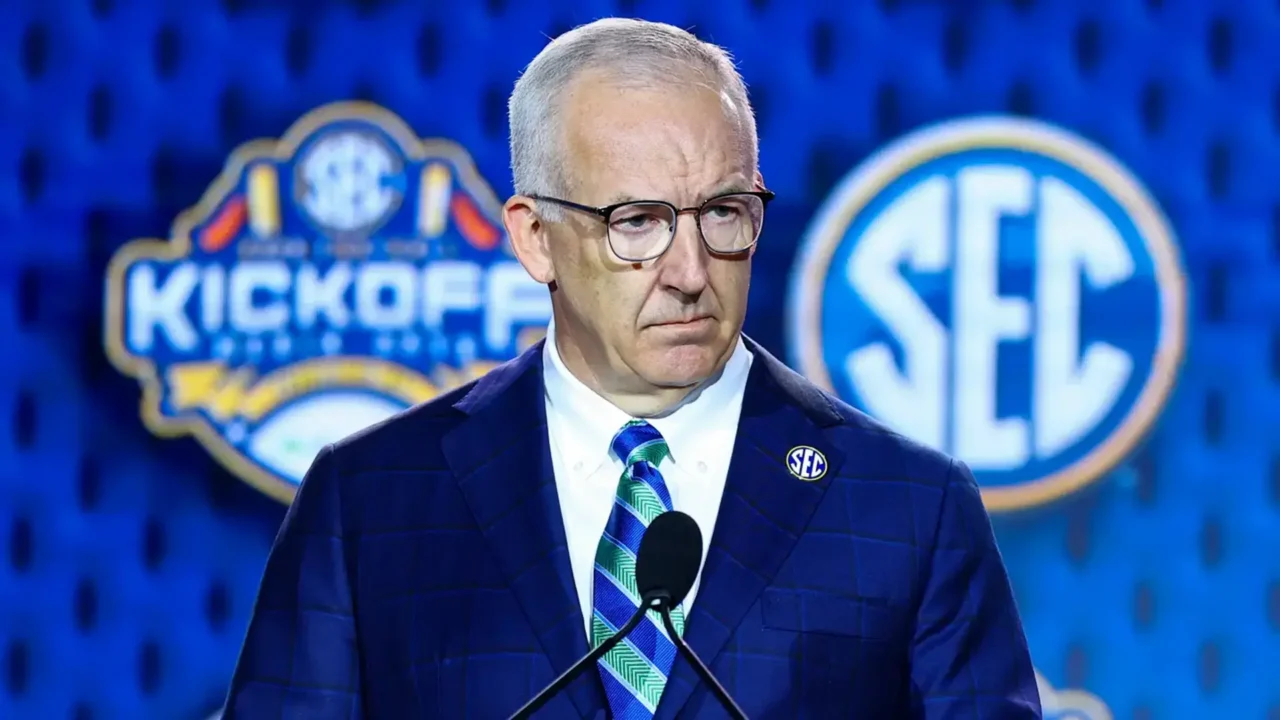
- The SEC has indicated that playing a conference-determined ineligible transfer could trigger penalties for an institution and its head coach.
- Kentucky must choose whether to challenge the SEC, seek further rulings, or limit Mitchell’s role to avoid potential sanctions.
- Mitchell averaged 18.3 points per game last season at Missouri, a profile that would address a rotation need for Kentucky.
Mark Mitchell transfer eligibility explained
The SEC’s intra-conference transfer rule requires transfers between league members to have entered the portal by May 1 to be immediately eligible at a new conference school. That deadline is the operative conference standard relevant to Mitchell’s move.
Mitchell secured a temporary restraining order in Louisville that allowed portal entry after May 1, and he committed to Kentucky following that court action. The legal route created a pathway to change schools but did not nullify the conference’s stated cutoff.
Because Mitchell was not in the portal by May 1, the SEC has signaled it may deem him ineligible to play, producing a conflict between the judicial action and conference eligibility rules.
Kentucky options and likely paths
Kentucky’s choices are to accept the SEC’s interpretation and keep Mitchell off the floor, to pursue additional legal or administrative relief to secure eligibility, or to play him and risk conference sanctions. Each option carries institutional and competitive consequences.
Pursuing a legal challenge or appeal would likely escalate the matter with conference governance and could produce a public dispute with the SEC. Backing away preserves standing with the league but removes an anticipated rotation piece for the Wildcats.
Eligibility timeline and verified facts
| Item | Verified detail |
|---|---|
| SEC portal deadline | The SEC’s intra-conference rule requires transfers to be in the portal by May 1 to be immediately eligible; Mitchell was not in the portal by that date. |
| Temporary restraining order | A TRO obtained in Louisville allowed Mitchell to enter the portal after May 1, and he committed to Kentucky following that court action. |
| On-court production | Mitchell averaged 18.3 points per game last season at Missouri, a scoring profile that addresses Kentucky’s need at the four-spot. |
Kentucky roster stakes and SEC penalty risk
The SEC has outlined penalties it could pursue if a school plays a player the conference deems ineligible, including measures that can affect coaching availability and institutional governance. Those potential sanctions create a strong institutional deterrent.
Kentucky’s staff and administration must weigh immediate on-court benefit against the broader risks to the program. The decision will have ripple effects for recruiting, roster construction, and how the program is perceived by conference leaders.
SEC roster and recruiting implications
An adverse ruling or sanctioned decision would complicate Kentucky’s roster construction heading into the season and could influence transfer targets evaluating the program’s conference standing. Prospects and current players will monitor how the university balances competitive aims with compliance to conference rules.
Where Kentucky lands could affect NIL positioning and recruiting messages about institutional stability and willingness to engage the conference on eligibility matters. The program’s choice will be viewed by peers and targets around the league.
Reporting for this story was sourced from Sports Illustrated and Andrew Stefaniak, as detailed in the linked primary source