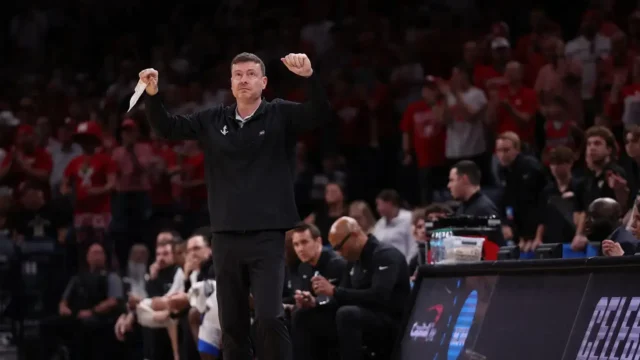
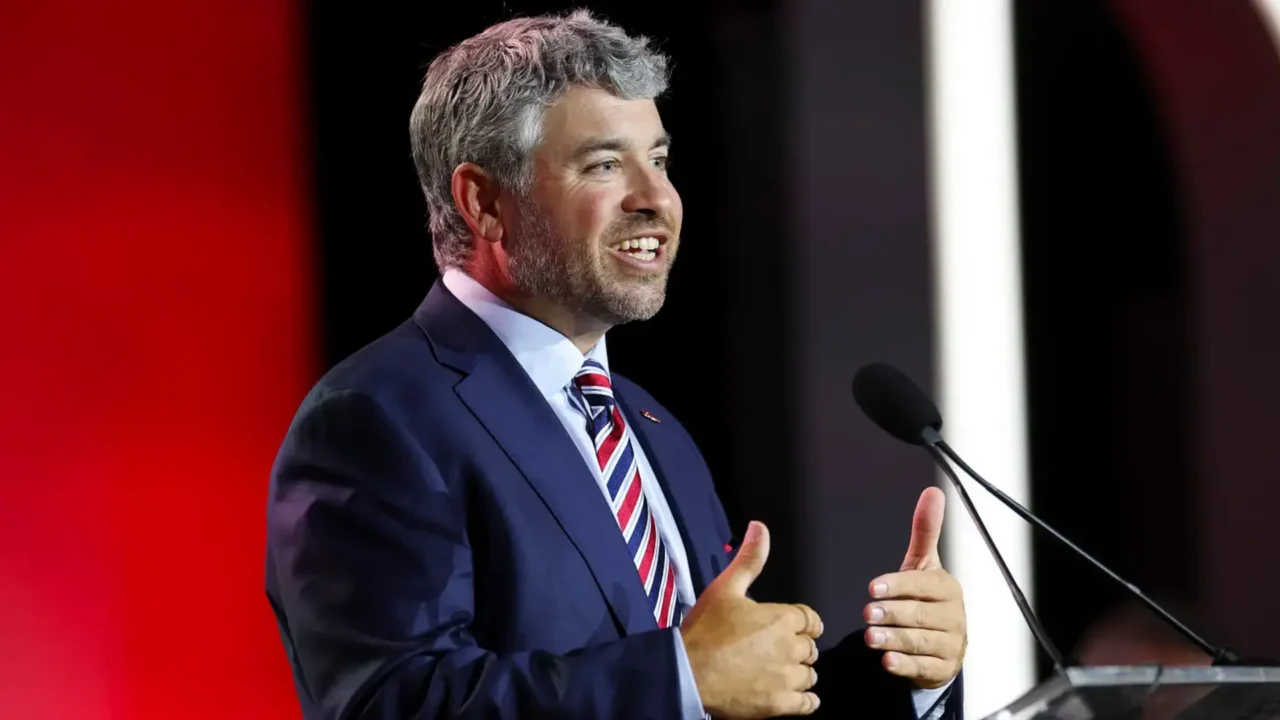
Pete Golding Ole Miss enters 2026 with an unusual head start: the defensive coordinator-turned-interim leader inherits a roster of proven playmakers and targeted reinforcements that reduce the usual instability of a first-year head coach. The most consequential returns are at quarterback and running back, and the defensive core Golding coached remains largely intact.
Lane Kiffin left Ole Miss after the Egg Bowl and took offensive coordinator Charlie Weis Jr. with him, yet the program moved quickly to preserve continuity on the roster and coaching side; reporting on those developments is available in the original coverage by Ole Miss Rebels On SI. Keeping Trinidad Chambliss and Kewan Lacy together limits the typical offensive disruption that follows a head-coaching change.
The defensive familiarity Golding brings is the clearest competitive advantage entering the season, because players already understand the calls, technique expectations and situational roles he asks for. That continuity shortens the adjustment period and creates a clearer line of responsibility across position groups.
Key Takeaways
- Pete Golding coached Ole Miss through three playoff games, including wins over Tulane and Georgia and a semifinal loss to Miami.
- Trinidad Chambliss won his court case and is eligible for another season at Ole Miss after a breakout 2025.
- Kewan Lacy set the Ole Miss single-season rushing touchdown record with 24 in 2025.
- Lane Kiffin left after the Egg Bowl and took offensive coordinator Charlie Weis Jr. to LSU, prompting staff turnover before the playoffs.
Pete Golding Ole Miss defensive blueprint
Golding’s promotion is continuity by design: he was the defensive coordinator for the roster he now leads, and that continuity reduces the usual learning curve for scheme, terminology and technique. Players returning to the same voice in practice and game prep removes one major variable for 2026 planning.
The defensive line is a core strength, anchored by Will Echoles, Kam Franklin and Suntarine Perkins, a trio the staff views as a foundational rotation. Golding added transfer Blake Purchase to increase depth and create more matchup flexibility on early downs and situational packages.
Down the roster, the cornerback group is now described as the deepest the program has had in recent years, which gives Golding more schematic options in coverage and more freedom to rotate without major drop-offs. Better depth at the back end also helps mask occasional pass-rush lapses and allows the staff to hide less experienced players in sub-packages.
Linebacker additions Keaton Thomas and Luke Ferrelli provide experience and positional options that allow Golding to vary fronts and stunt calls without asking existing starters to learn entirely new responsibilities. That versatility is particularly valuable on third down and in nickel-heavy packages where matchup choices determine play calls.
Offensively, the staff turnover following Lane Kiffin’s departure removed Charlie Weis Jr. from the staff and created an immediate coaching gap on that side of the ball. Golding’s first-year focus will include protecting the progress made by returning offensive playmakers while staff hires fill the coordinator roles.
Returning production and roster comparison
| Position group | 2025 status | 2026 outlook |
|---|---|---|
| Quarterback | Trinidad Chambliss took over midseason and posted nearly 4,000 yards with 22 touchdowns and three interceptions. | Chambliss returns with one more year of eligibility, preserving the program’s top playmaker at the most important position. |
| Running back | Kewan Lacy broke the Ole Miss single-season rushing touchdown record with 24 scores in 2025. | Lacy’s presence sustains an elite run game that relieves pressure on the secondary and opens play-action for the passing attack. |
| Defensive line | Anchored by Echoles, Franklin and Perkins, the D-line finished the season as a top rotation group for the program. | Addition of Blake Purchase and retained starters aim to keep the front honest and improve situational depth. |
| Linebackers and defensive backs | Coverage and tackling units saw incremental improvement in 2025 with room for growth at cornerback. | Keaton Thomas and Luke Ferrelli were added to bolster the unit, and the secondary enters 2026 with markedly better depth. |
What Golding means for SEC standings and CFP
Stability on defense and the return of elite offensive pieces give Ole Miss a clearer path to competing for the upper tier of the SEC, because the team avoids the reset that often follows head-coaching changes. With Chambliss and Lacy intact, path-dependent games that build a resume for playoff consideration become more attainable.
On recruiting and the transfer portal, Golding’s continuity and a demonstrable plan for playing time are selling points that can slow roster attrition and attract role-specific additions. That matters in a 16-team SEC model where one or two swing games can define a season’s conference standing.
From an NIL and roster-construction standpoint, keeping high-usage veterans together reduces the need for expensive short-term portal fixes and lets staff prioritize depth in the trenches and secondary. A veteran defensive voice paired with returning offensive production improves Ole Miss’s comparative case for College Football Playoff consideration because it preserves résumé-building opportunities headlined by proven performers.