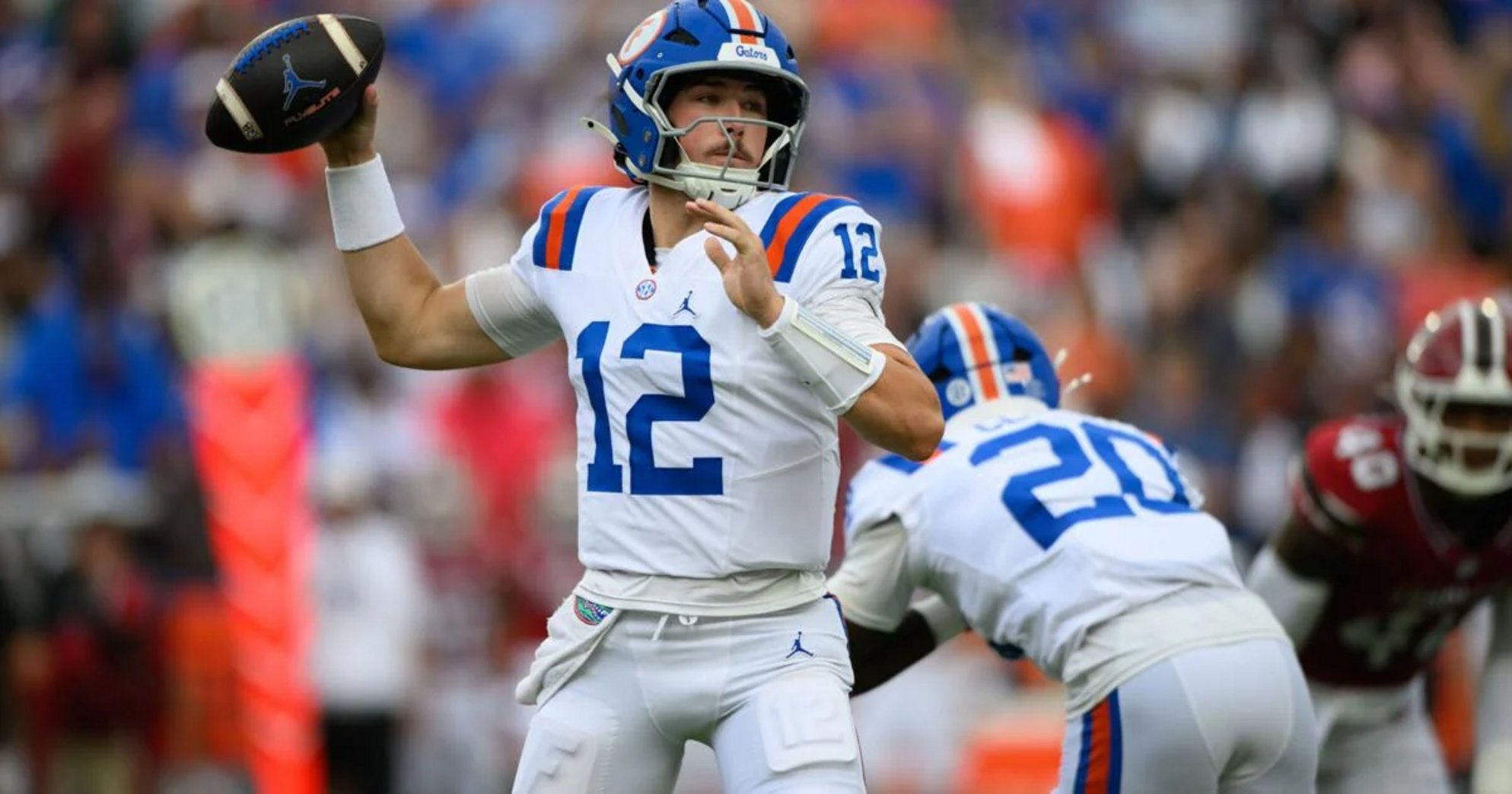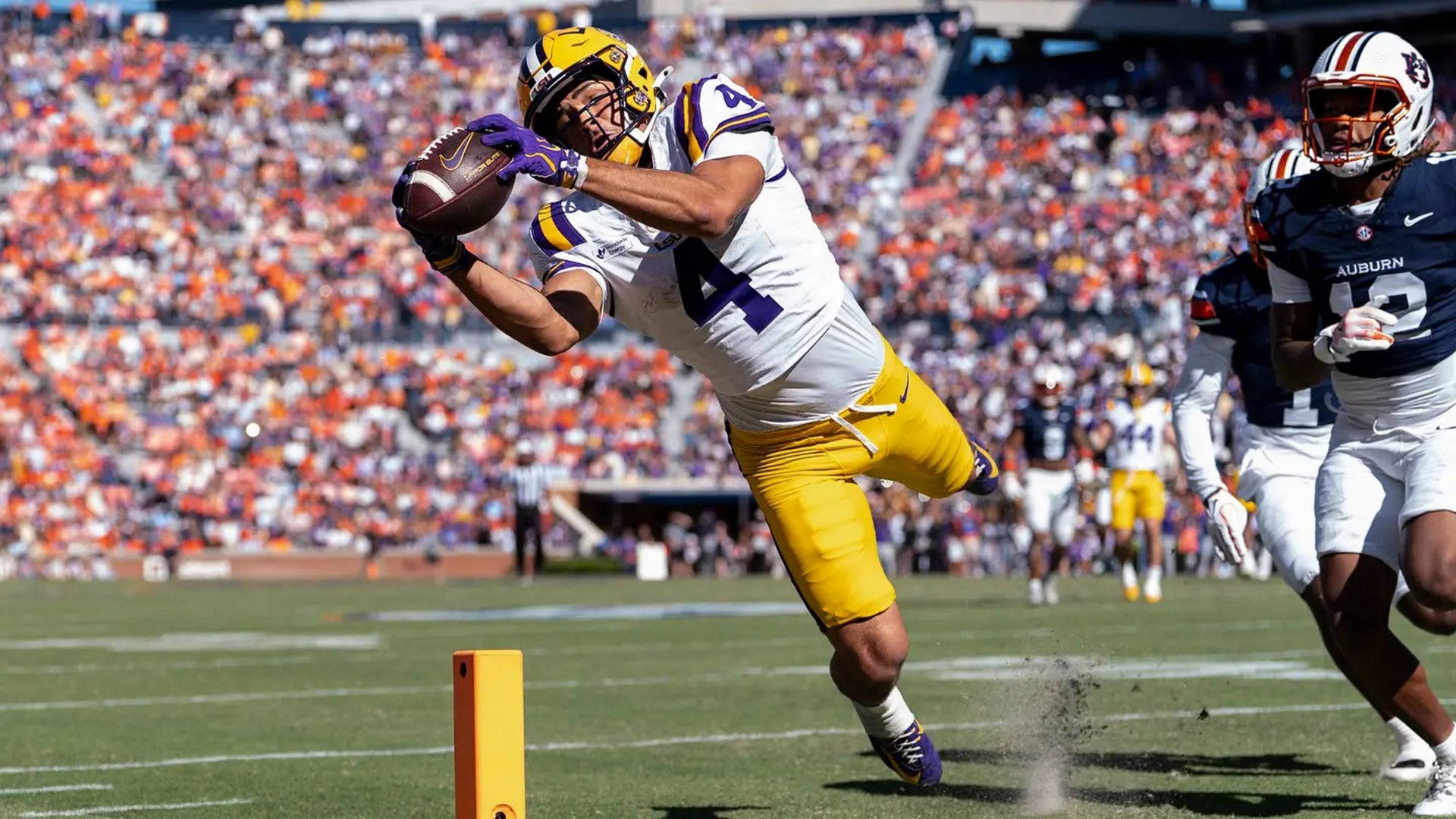
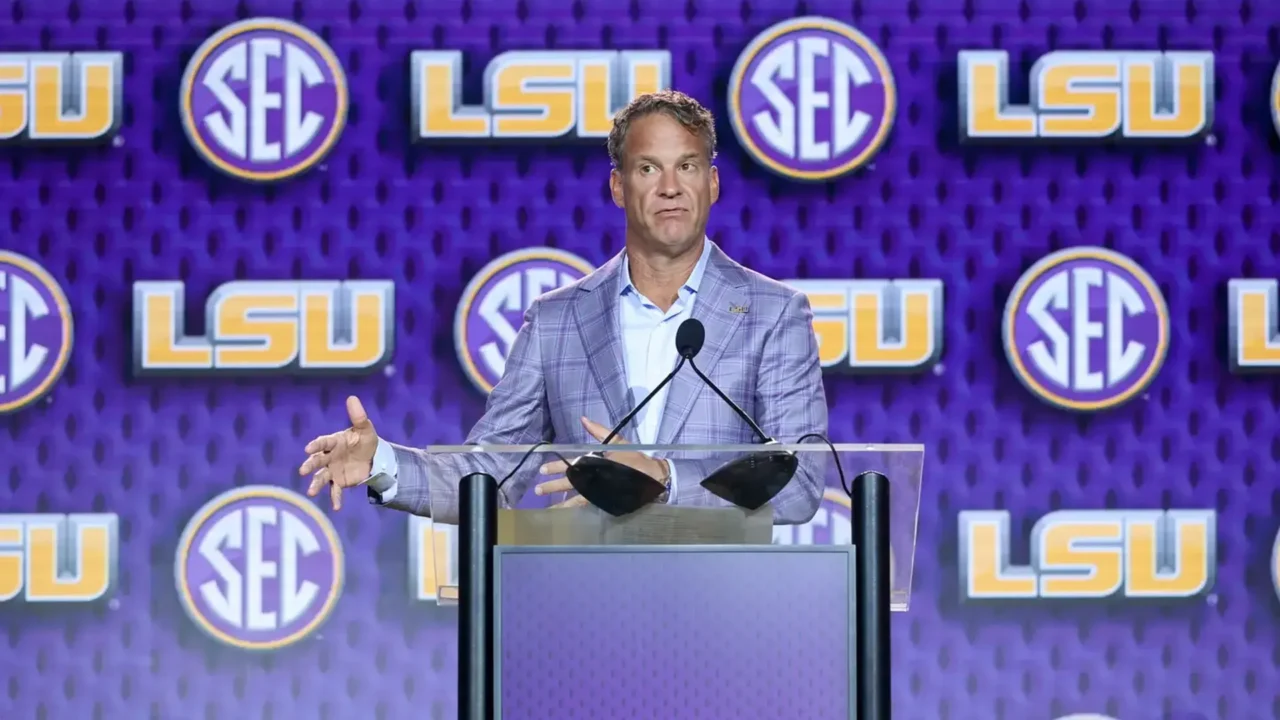
The LSU-Clemson season opener at Tiger Stadium gives Baton Rouge a rare Week 1 spotlight and hands Lane Kiffin an immediate, high-profile test. Fans will see how a revamped LSU roster responds when a ranked visitor and national attention arrive in the first weekend.
The reporting that follows draws from a recent piece by LSU Tigers On SI and lays out what this matchup means on the field, for recruiting and for the program’s position in the College Football Playoff conversation.
Key Takeaways
- This game is the first time LSU has hosted a ranked opponent in a season opener since 1988.
- College Gameday will originate from Tiger Stadium for the first broadcast of the year, amplifying national scrutiny on both teams.
- The matchup is a major early test for Lane Kiffin in his first season leading LSU against Dabo Swinney’s Clemson program.
- LSU arrives with significant roster turnover, featuring more than 50 new faces who must assimilate quickly for a Week 1 challenge.
What the LSU-Clemson season opener means for Lane Kiffin and Clemson
For Kiffin, this opener operates as both a scoreboard measurement and a narrative reset. Hosting a ranked opponent at Tiger Stadium in Week 1 compresses evaluation points into a single, highly visible evening that will shape outside perception of his first season.
Clemson arrives under Dabo Swinney with their own standards, and the matchup will test LSU’s early-game preparation, personnel packages, and how quickly new contributors can be integrated. The meeting forces staff decisions on play-calling tempo, defensive matchups, and early special-teams assignments with little margin for error.
From a roster standpoint, more than 50 newcomers means coaching staffs must prioritize clarity and role definition. The opening weekend will reveal whether LSU’s offseason changes translate to immediate on-field cohesion or if the team needs time to settle into Kiffin’s system.
Game environment and Tiger Stadium variables
Tiger Stadium provides an atmosphere that magnifies errors and elevates momentum swings, especially under College Gameday lights. Home-field noise, game-day routines, and the first-night energy at the stadium will influence situational play-calling and fourth-down aggressiveness for both coaches.
Special teams and early-game turnovers take on oversized importance in primetime openers. With a compressed evaluation window, a single swing play can shift national narrative and recruiting chatter more than a month of camp reports would normally do.
Historical context of LSU season openers
| Category | 1988 season opener | 2026 season opener |
|---|---|---|
| Opponent | No. 11 Texas A&M | Ranked Clemson |
| Conference context | Texas A&M was a Southwest Conference member; LSU remained in the SEC | Clemson enters as a ranked non-SEC opponent facing LSU at home |
| Season notes | 1988 LSU finished 8-4 and went 6-1 in SEC play during the regular season | 2026 opener doubles as College Gameday’s first show and features a significant influx of new roster additions |
The contrast between 1988 and this season highlights how rare a ranked home opener has been for LSU. The 1988 campaign included matchups with Ohio State and Miami and concluded with an 8-4 mark and co-champion status in the SEC, making that year a useful reference point rather than a strict blueprint.
How the opener reshapes LSU’s SEC and CFP trajectory
A Week 1 victory over a ranked Clemson side would give LSU early résumé heft for College Football Playoff consideration and shift media framing toward national-title credibility. Conversely, an underwhelming result would force the coaching staff to defend schematic choices while recruits and the transfer portal audience weigh immediate outcomes.
College Gameday’s presence compounds recruiting optics. The first broadcast of the season in Tiger Stadium provides coaches a national stage to showcase early cultural and schematic changes, an especially valuable asset when selling new systems to prospects in-state and regionally.
Roster construction conversations will accelerate after the opener. Performance by new arrivals will influence springboard opportunities for younger players and shape depth-chart decisions that cascade into midseason roster management and late signing-period messaging.
Financial or NIL specifics are not part of the verified reporting here, but the profile boost from a high-profile home opener and national broadcast will almost certainly factor into recruiting pitches and program positioning over the next several months.
Reporting above draws from the linked piece and the on-site coverage it details.