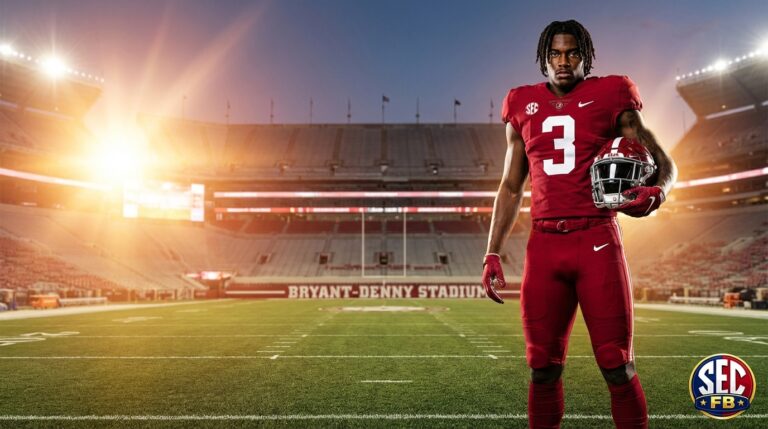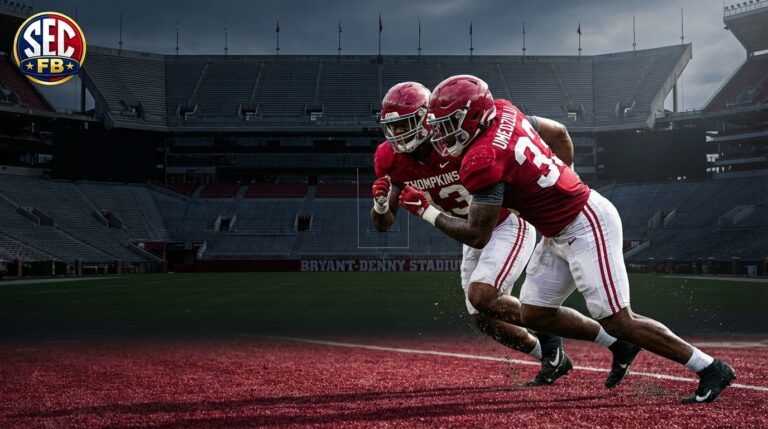
How will Alabama Crimson Tide football expand its front?
Alabama Crimson Tide football Will the Tide shift to a bigger defensive front in 2026?
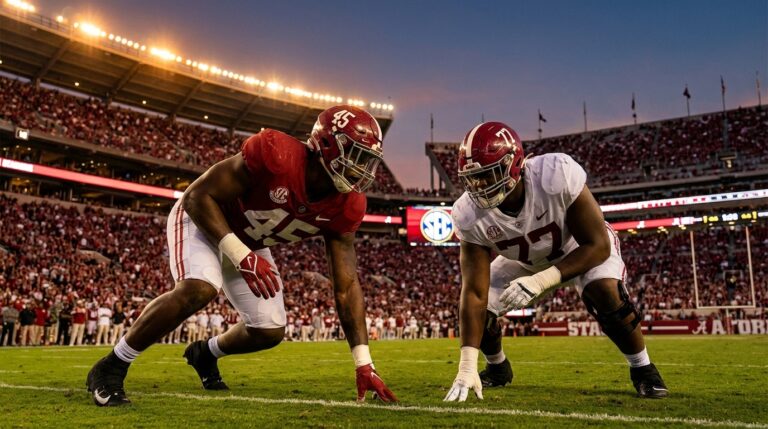
As spring practice unfolds, Alabama Crimson Tide football faces a pivotal question about its defensive identity in 2026. The Tide added sizable pieces this offseason, including Devan Thompkins, Terrance Green and Kedrick Bingley Jones, which changes options. Coaches showed up front focus during drills, and the tape hints at a move toward a heavier base defense. Because larger linemen can control gaps more simply, Alabama may lean away from elaborate run stunts.
However, the staff still prizes technique and speed, so any shift will balance power with agility. Recruiters remain bullish as they chase four star prospects for 2027, which strengthens depth. As a result, spring practices matter more than ever for scheme decisions. The overall tone is optimistic. Alabama’s recruiting and roster additions give the Tide flexibility to adopt a bigger defensive front in 2026. The program can keep its trademark athleticism.
Alabama Crimson Tide football Offseason additions and their impact
Alabama added three big bodies this offseason. The moves signal a possible shift toward a larger defensive front in 2026. Coaches value gap control and simple, physical play. Spring practice showed emphasis on strength and alignment. Recruiting momentum supports the plan because staff continues to target big linemen.
- Devan Thompkins — 6’5″, 298 pounds. His size helps set edges and occupy blockers. Because he can push the pocket, he frees linebackers to make plays.
- Terrance Green — 6’5″, 319 pounds. Green brings anchor and power. Therefore, Alabama gains a true nose and tackle option for base downs.
- Kedrick Bingley-Jones — 6’4″, 302 pounds. He mixes length with strength. As a result, the interior depth becomes more robust and rotation improves.
Tactically, these additions suggest more base defense and fewer elaborate run stunts. However, staff will keep athleticism on the field. The recruits and transfers provide flexibility for 3-4 or 4-3 fronts. For context on Alabama’s defensive depth, see SECFB coverage and official roster pages: E.J. Crowell Alabama Freshman Impact, Keon Sabb Second Alabama Title, Roll Tide.
Overall, the size upgrades should reduce opponent rushing success.
| Player | Height | Weight | Recruiting Rank | Position |
|---|---|---|---|---|
| Devan Thompkins | 6’5″ | 298 lbs | Transfer | Defensive lineman |
| Terrance Green | 6’5″ | 319 lbs | Transfer | Defensive tackle |
| Kedrick Bingley-Jones | 6’4″ | 302 lbs | Transfer | Defensive lineman |
| Caden Moss | 6’5″ | 300 lbs | 4-star recruit | Offensive tackle (2027 recruit) |
Note: Heights and weights follow offseason reports. Additionally, Caden Moss is a 2027 recruit.
Alabama Crimson Tide football Spring practice observations and expert quotes
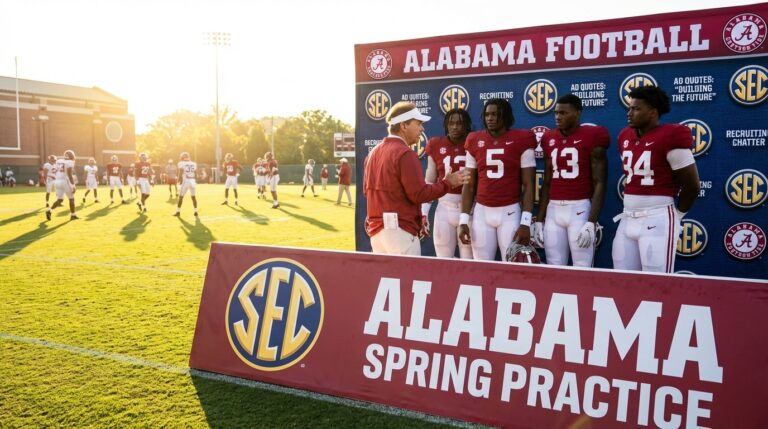
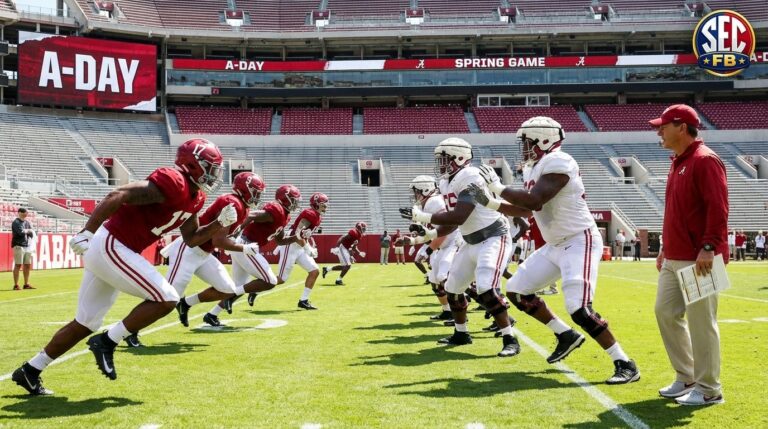
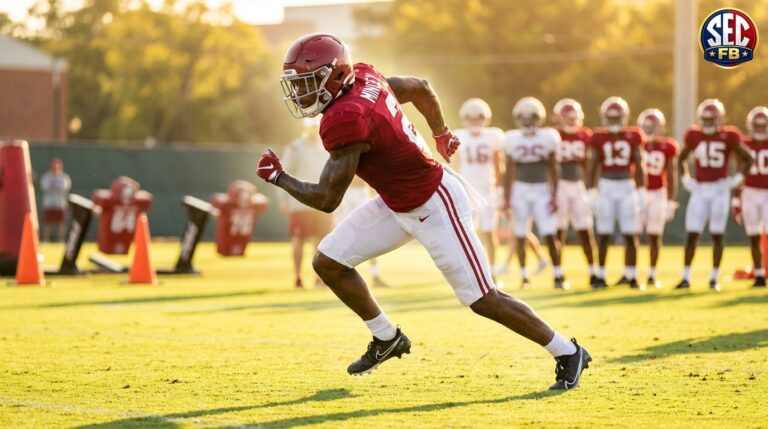
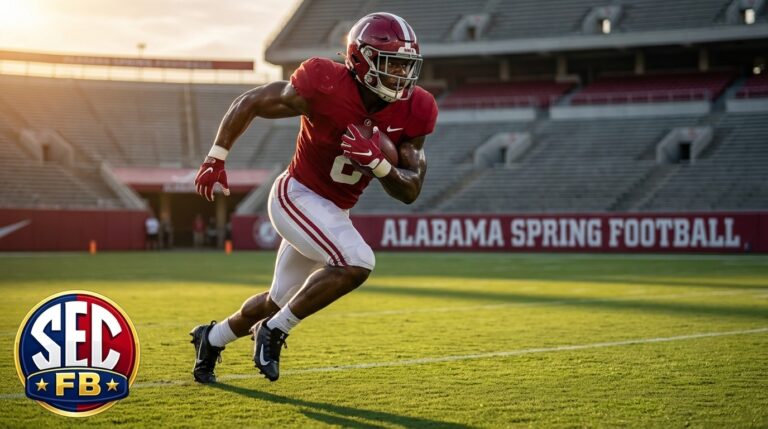
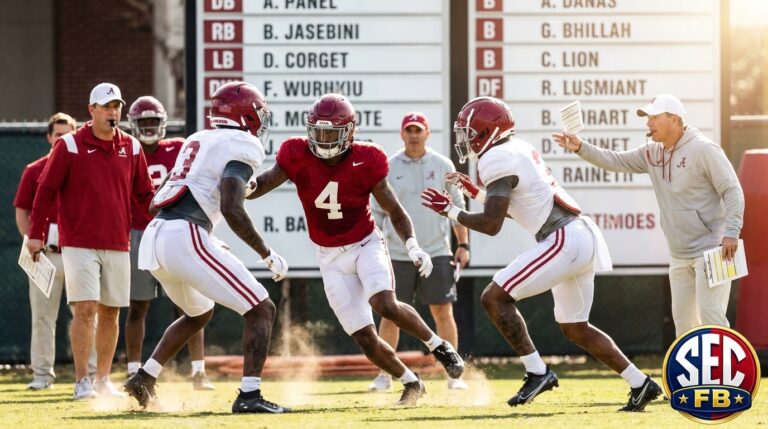
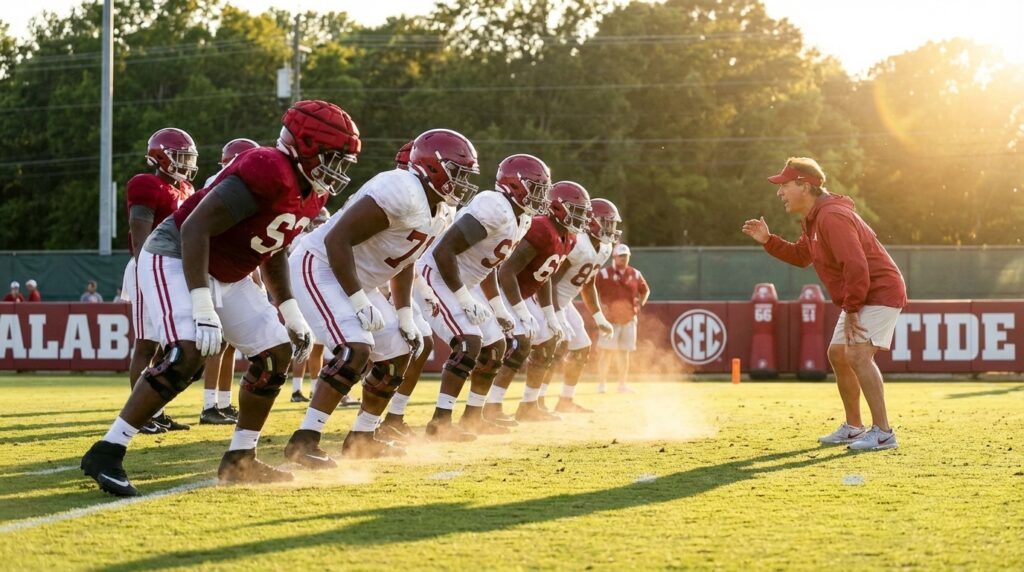
Spring practice offered clear hints about a defensive tilt. Coaches emphasized alignment, power and gap play. As a result, on-field work reinforced the idea of a bigger front in 2026.
Christian Miller summed up the tradeoffs plainly: “Indiana does it a lot, too, and they’re great when they’re executed flawlessly.” He added that simpler gap responsibilities reduce risk when techniques are clean. Therefore, the staff seems to prefer big bodies who can strike and hold ground.
Key observations
- Coaches ran more base front reps during position work, which highlights interior size over loop stunts.
- Players like the new transfers showed consistent ability to occupy blockers and push the pocket.
- Because spring reps simplified responsibilities, younger linemen could show technique early.
Expert takeaways
- The Miller quote suggests Alabama values reliable execution over complicated stunts.
- Recruiting trends back that up, since the staff targeted larger interior pieces this offseason.
- As a result, Alabama gains flexibility to play a power based defense without losing athleticism.
For readers tracking depth, the mix of transfers and recruits makes the 2026 front both bigger and more adaptable.
Alabama Crimson Tide football looks likely to move toward a bigger defensive front in 2026. Spring practice and this offseason’s transfers created a clear blueprint for that shift.
The additions of Devan Thompkins, Terrance Green and Kedrick Bingley-Jones add interior size and play strength. Because coaches emphasized base reps and gap discipline, staff can simplify front responsibilities. Therefore the Tide can reduce opponent rushing success while preserving edge speed and pass rush windows.
Recruiting momentum, including prospects such as Caden Moss, boosts depth and schematic flexibility. As a result, Alabama can field bigger lineups without sacrificing athleticism. Overall, this strategy feels promising heading into next season.
For trusted coverage follow SECFB LLC at https://SECFB.com and on Twitter at Zach Gatsby.
Stay tuned as spring turns into summer recruiting and the picture sharpens.
Frequently Asked Questions (FAQs)
What is driving the talk of a bigger defensive front for Alabama Crimson Tide football in 2026?
Because Alabama added several large interior pieces in the offseason, the roster now favors size. Transfers such as Devan Thompkins, Terrance Green and Kedrick Bingley-Jones increase interior weight. Spring practice also showed coaches running more base front reps. As a result, observers expect a tilt toward gap control and simpler assignments.
Will a bigger front mean Alabama sacrifices speed or pass rush?
Not necessarily. Coaches aim to blend power with athleticism. They can stagger rotations to keep pass rushers fresh. Therefore, the Tide can maintain edge speed while using heavier bodies inside to limit the run.
Who benefits most from a shift to a power based front?
Linebackers and defensive ends benefit first. Because interior linemen occupy blockers, linebackers see cleaner run lanes. Defensive ends also get clearer pass rush windows. Younger linemen gain reduced schematic complexity during development.
Are these changes permanent or situational for 2026?
Likely situational and flexible. Coaches want options for 3-4 and 4-3 looks. Moreover, recruiting momentum could change alignments next year. However, current signs point toward more base defense reps in 2026.
How does recruiting affect the timeline for a bigger defensive line?
Recruiting accelerates the timeline. Alabama’s pursuit of big linemen and high level prospects adds depth fast. For example, 2027 targets such as Caden Moss add long term flexibility. As a result, staff can deploy larger fronts sooner with confidence.