Can Alabama defense improvement: pass rush and run defense?
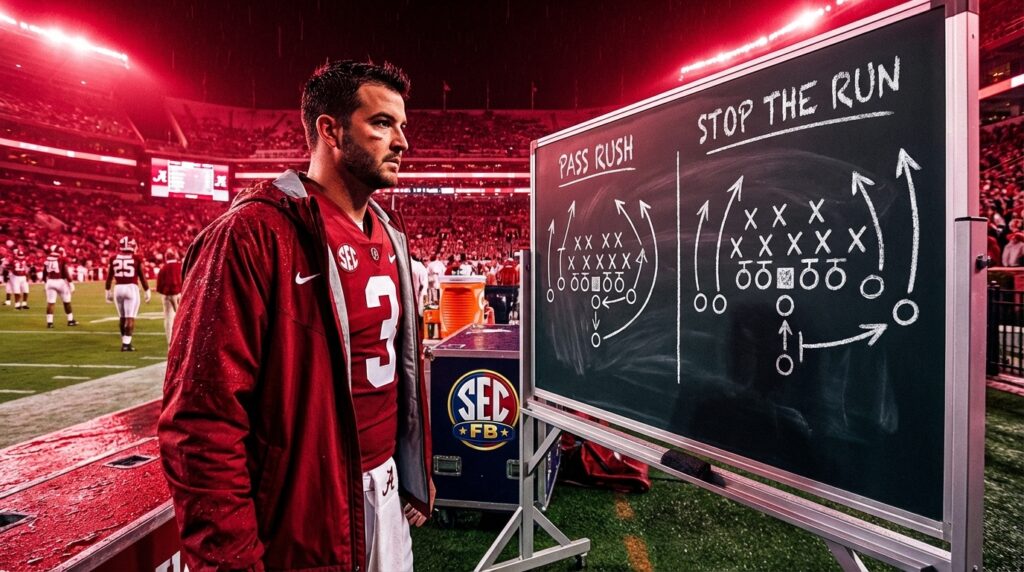
Alabama defense improvement: pass rush and run defense must be urgent priorities, AJ McCarron warns. On The Dynasty podcast, he pointed to persistent issues generating pressure and stopping the run. Because sacks fell to 33 in 2025, Alabama averaged just 2.2 sacks per game. Moreover, tackles for loss slipped, and opponents found space late in games. As a result, the Tide surrendered 105 rushing first downs and 17 rushing scores. McCarron argued the front needs fresh schemes and more consistent edge play.
Therefore coaches must diversify blitz packages and create sustained interior push. If they pair improved pass rush with tighter run defense, results will follow. This introduction lays out what to watch in spring and fall camp. Consequently, the rest of this article examines personnel, scheme tweaks, and measurable targets. We will highlight returners, incoming transfers, and coaching adjustments to monitor. Ultimately Alabama can restore its dominance, but it must act decisively this offseason.
Alabama Defense Improvement: Pass Rush Challenges
Alabama must fix its pass rush to regain defensive dominance. AJ McCarron highlighted persistent problems creating pressure on The Dynasty podcast. He said, “They have an issue. They have had it for about two years now from a box standpoint.” As a result, the Tide struggled to force negative plays and disrupt timing.
Pressure on the quarterback matters because it shortens windows for receivers. Without it, quarterbacks have time to read coverage and hit intermediate routes. Consequently, opposing offenses converted more third downs and avoided sacks. Therefore, the pass rush shortfall translated into fewer tackles for loss and less turnover opportunity.
Key statistics to remember:
- 33 sacks in 2025
- 2.2 sacks per game
- team ranking No. 54 in sacks
McCarron criticized the toolbox used near the line of scrimmage. He noted, “They do not and have not done a great job of getting pressure on the quarterback, unless they are bringing six and playing man coverage behind it.” He added that relying on nickel field pressure cannot be the only answer, saying, “They have to come up with different games up front.”
Because Alabama often waited for pressure from heavy blitzes, quarterbacks completed passes against single coverage. As a result, the secondary faced longer drives and more tired defenders. Furthermore, the interior pass rush lacked the consistent push needed to collapse pockets. Consequently, the edge rush also carried added burdens and became easier to scheme against.
Looking ahead, coaches must diversify fronts and work on win rates at the line of scrimmage. They should emphasize quick first step drills, slant and stunt coordination, and finish on the quarterback. If Alabama increases consistent pressure it will improve sacks, tackles for loss, and turnover chances. Ultimately, improving the pass rush is a clear step toward fixing the wider defensive picture.
Comparative 2025 Snapshot: Pass Rush and Run Defense
| Metric | Pass Rush | Run Defense |
|---|---|---|
| Total sacks (2025) | 33 | N/A |
| Sacks per game | 2.2 | N/A |
| Team sacks ranking | No. 54 | N/A |
| Tackles for loss (TFL) | 86 | 86 |
| Team TFL ranking | No. 55 | No. 55 |
| First downs allowed | N/A | 238 total; 105 rushing |
| Rushing yards allowed per game | N/A | 126.9 |
| Rushing touchdowns allowed | N/A | 17 |
| Top pass rusher | Yhonzae Pierre, 8 sacks | N/A |
| Run defense ranking | N/A | No. 37 |
The table shows clear deficiencies in generating sacks and stopping the run. Because Alabama created limited pressure, quarterbacks had more time. As a result, the run defense also faced longer drives and more scoring chances. Therefore, focusing on both areas must be a priority.
Alabama Defense Improvement: Run Defense Challenges
AJ McCarron left little doubt about Alabama’s run defense. He said, “You have to be able to stop the run. They struggled really, really badly with it late in the year.” Consequently Alabama paid for those lapses with extended drives and increased scoring opportunities.
Key 2025 run defense metrics:
- Rushing yards allowed per game: 126.9
- First downs surrendered (total): 238; rushing first downs: 105
- Rushing touchdowns allowed: 17
- Run defense national rank: No. 37
- Tackles for loss: 86 (5.7 per game)
Because opponents consistently converted on early downs, Alabama often defended with longer series. As a result defenders tired late in games. Therefore tackling angles and gap discipline became more critical than ever. Moreover late-season struggles exposed schematic vulnerabilities between the defensive line and linebackers.
Yhonzae Pierre led the team with eight sacks. However his pass rush production did not translate into consistent run stops. The interior gap control did not produce enough negative plays. Consequently opponents gained yards behind the line and controlled tempo. If Alabama improves its interior push it will force more downhill tackles and reduce opponent third-down conversions.
Practical fixes the staff should pursue include improved gap discipline, tougher edge-set play, and more aggressive run fits. Additionally the coaching staff must emphasize tackling fundamentals in spring practice. They should also test different front alignments to see what creates more TFLs and stops.
Ultimately stopping the run will reduce play-action success for opponents. Therefore it will also ease pressure on the secondary. If Alabama marries a better pass rush with a rebuilt run defense, then the Tide will become far harder to move. As McCarron warned, they must find that balance this year.
AJ McCarron on Alabama Defense Improvement
AJ McCarron was blunt: Alabama defense improvement: pass rush and run defense remain urgent priorities. He warned the Tide must create more pressure and stop opponents on early downs.
Key 2025 Defensive Takeaways
- 33 sacks in 2025
- 2.2 sacks per game
- 86 tackles for loss (5.7 per game)
- 238 first downs allowed; 105 rushing first downs
- 126.9 rushing yards allowed per game
- 17 rushing touchdowns allowed
- Yhonzae Pierre led team with eight sacks
Because Alabama generated only 33 sacks in 2025, quarterbacks had more time. Therefore defenses faced longer drives and more rushing first downs. However the path forward is clear: diversify blitzes, improve interior push, and tighten gap discipline. If coaches act in spring and fall camp, results should improve quickly.
SECFB LLC provides focused SEC coverage and tactical breakdowns. Visit SECFB.com for analysis and news. Follow on Twitter/X at @ZachGatsby for real-time updates.
Ultimately Alabama can close these gaps and return to dominance.
Frequently Asked Questions (FAQs)
What did AJ McCarron identify as the main defensive problems?
McCarron called out two linked issues. First, he flagged a lack of consistent pass rush. Second, he stressed poor run defense late in games. He said Alabama often only gets pressure when it brings heavy blitzes. Therefore the team must find ways to generate pressure without exposing the secondary.
How did Alabama perform in sacks and pressure metrics in 2025?
The numbers underline McCarron’s point. Alabama recorded 33 sacks in 2025. That averaged 2.2 sacks per game and a No. 54 team ranking in sacks. Because pressure was limited, opposing quarterbacks had more time. As a result plays developed into longer drives and fewer negative plays.
Why did the run defense struggle and what impact did that have?
Opponents converted early with regularity. Alabama surrendered 238 first downs, including 105 rushing first downs. The Tide allowed 126.9 rushing yards per game and 17 rushing touchdowns. Consequently defenses faced longer series. Therefore fatigue and gap breakdowns grew late in games, which worsened both run and pass defense.
What practical changes can help in spring and fall camp?
Coaches should diversify pass-rush schemes and stress interior push. They should also improve gap discipline and tackling fundamentals. Additionally work on slants, stunts, and quick first step drills. If staff pairs scheme tweaks with physical development, pressure rates and tackles for loss should rise.
What should fans monitor next season to judge progress?
Track sacks, tackles for loss, and rushing first downs allowed. Watch sacks per game and opponent rushing yards per game. Also follow edge-win rates and TFL totals. If those numbers move upward, Alabama is correcting course and building a stronger defense.