Alex Golesh walked into Auburn with immediate schematic advantages because a core of players already knew his system from South Florida. That continuity has allowed the coaching staff to accelerate installation, refine situational practice work and evaluate depth sooner than a full teardown would allow.
Local reporting in the linked story highlights that Golesh brought more than a dozen players with him and that quarterback Byrum Brown followed Golesh to Auburn, creating a baseline of continuity that steadies the quarterback room and speeds early progress timesdaily.com.
Key Takeaways
- Alex Golesh moved to Auburn with more than a dozen players from South Florida, providing immediate schematic continuity for his offense.
- Quarterback Byrum Brown followed Golesh to Auburn and supplies an experienced conduit to the coach’s terminology and tempo.
- Running back Jeremiah Cobb acknowledged it has been “a rough couple years,” and players see the new staff as a reset that relies on buy-in from within.
- Golesh said the program did not start “at square one,” which has allowed the staff to focus on refinement and situational football earlier in the calendar.
Alex Golesh’s early roster continuity
Golesh’s arrival with a nucleus of transfers short-circuits much of the early teaching curve a new coach normally faces. When a group already understands core terminology and scheme concepts, install periods can emphasize nuance and execution rather than pure translation of play calls.
The practical payoff is both on-field and off-field: practice windows are used to polish tempo and situational reps, while the locker room benefits from returning relationships and a shared vocabulary. That combination gives staffers clearer answers in spring and fall camp evaluations and speeds decisions about depth charts.
Byrum Brown and running back Jeremiah Cobb in the new scheme
Byrum Brown’s presence as a quarterback familiar with Golesh’s offense reduces uncertainty at the game’s most important position and sets a tone for the rest of the room. Public back-and-forths between Brown and Golesh around accountability are a sign of engagement and a coach-player relationship that can translate into clearer practice standards.
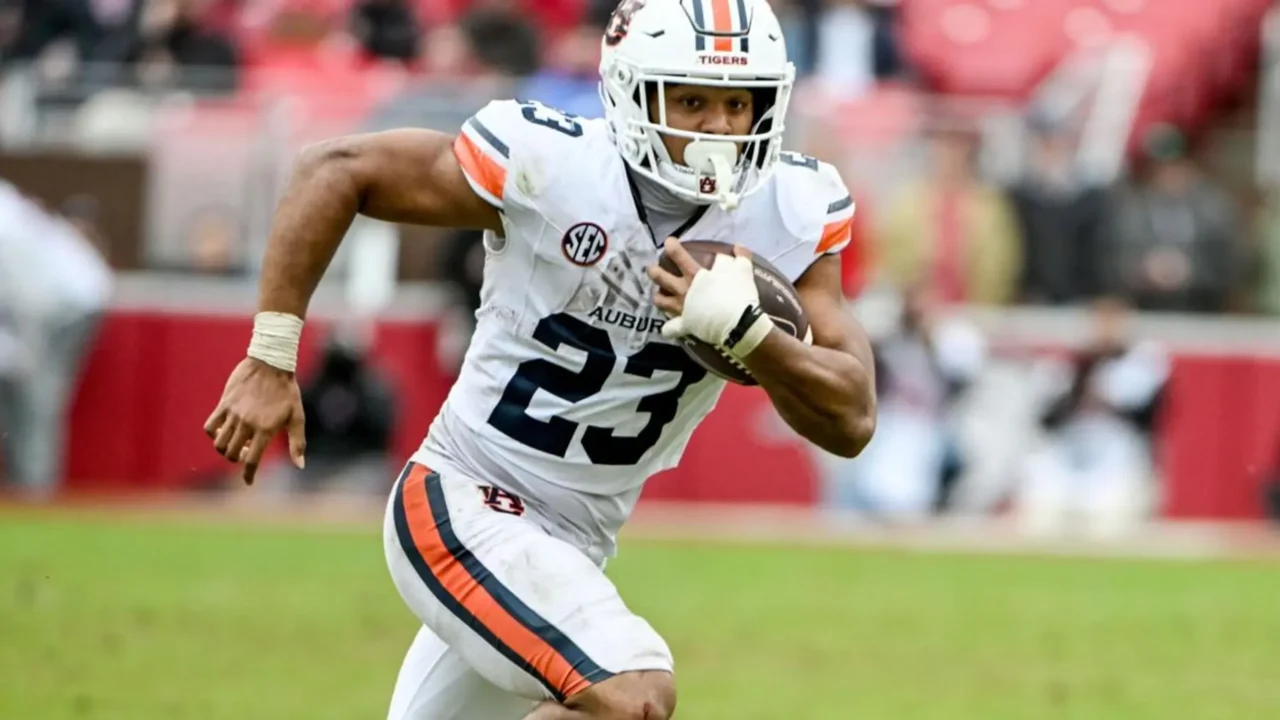
Jeremiah Cobb’s candid line about a “rough couple years” frames why a reset mattered for veteran players. Cobb’s buy-in to structure and the visible optimism around the facility indicate the internal culture shift the staff is trying to solidify as the season approaches.
How continuity changes on-field preparation
With a baseline group that already grasps the playbook, coaches can devote more practice time to two-minute work, red-zone sequencing and tempo-driven scripts rather than teaching fundamentals from scratch. That means the team can simulate game speed earlier and give backups meaningful situational reps that reveal true depth.
In a conference defined by small margins, improving those situational reps across a roster matters materially. Coaches can evaluate who executes under pressure and where depth still needs bolstering, which accelerates offseason personnel moves and internal development plans.
Transfer continuity compared with returning production
| Player or Group | Context and Implication |
|---|---|
| Byrum Brown | Quarterback who followed Golesh from South Florida and provides immediate schematic continuity at the position that most influences game planning |
| Jeremiah Cobb | Established Auburn running back who described recent seasons as “a rough couple years,” now working under a refreshed staff and scheme |
| Group of transfers from South Florida | More than a dozen players who moved with Golesh shorten the installation curve and help coaches assess positional depth faster than an all-new roster would allow |
How staff decisions and roster construction follow continuity
When coaches inherit players familiar with their concepts, staffing choices and practice plans shift from teaching mode to optimization mode. That influences which positions are prioritized in the transfer portal and how the staff allocates reps to develop perimeter chemistry and line cohesion.
Those internal decisions also affect external messaging to recruits and potential transfers; the program can point to immediate opportunities to contribute inside a known system instead of promising a long adjustment period. Messaging that emphasizes early chance to play under a familiar scheme is a practical recruiting asset in the conference.
SEC implications for Auburn and the CFP path
Continuity speeds Auburn’s competitive readiness and bolsters recruiting pitches inside the SEC where prospects evaluate playing time, scheme fit and pathway clarity. That clarity — a quarterback who understands the offense and a nucleus already in place — helps the staff sell immediate roles to recruits and portal candidates without overpromising unproven depth.
From a roster-construction and NIL perspective, showing early progress makes Auburn a more attractive landing spot for players who want familiar schemes and a stable environment to showcase talent. Faster installation improves week-to-week competitiveness, which in turn shapes recruiting cycles, portal activity and the program’s ability to position itself competitively for the College Football Playoff era.
Photographs in the original reporting were credited to Michael Woods, Butch Dill and Richard W. Rodriguez of The Associated Press, and the reporting supplied the on-field context that underpins this analysis.