College football transfer portal 2026: best classes and QBs
College football transfer portal 2026: best classes and QBs arrives with a January window that moved faster than expected. The window reshaped rosters across power conferences and Group of Five teams. Because many moves happened in a short span, impact decisions landed suddenly. As a result, some programs look dramatically improved while others appear exposed.
Insiders we surveyed described the market as chaotic and costly. For example, quarterback prices felt inflated, and staffers compared values to professional deals. However, the raw numbers only tell part of the story. In this piece we offer candid, inside analysis of the top portal classes, the quarterback market, and the biggest winners and losers. You will see player-by-player takeaways, spending trends, and what those moves mean for the SEC and beyond.
Read on for a section-by-section breakdown. We explain who gained immediate upgrades. We also flag which classes may underdeliver. Finally, our anonymous front office voices add color and context not found elsewhere.

College football transfer portal 2026: best classes and QBs — top team classes
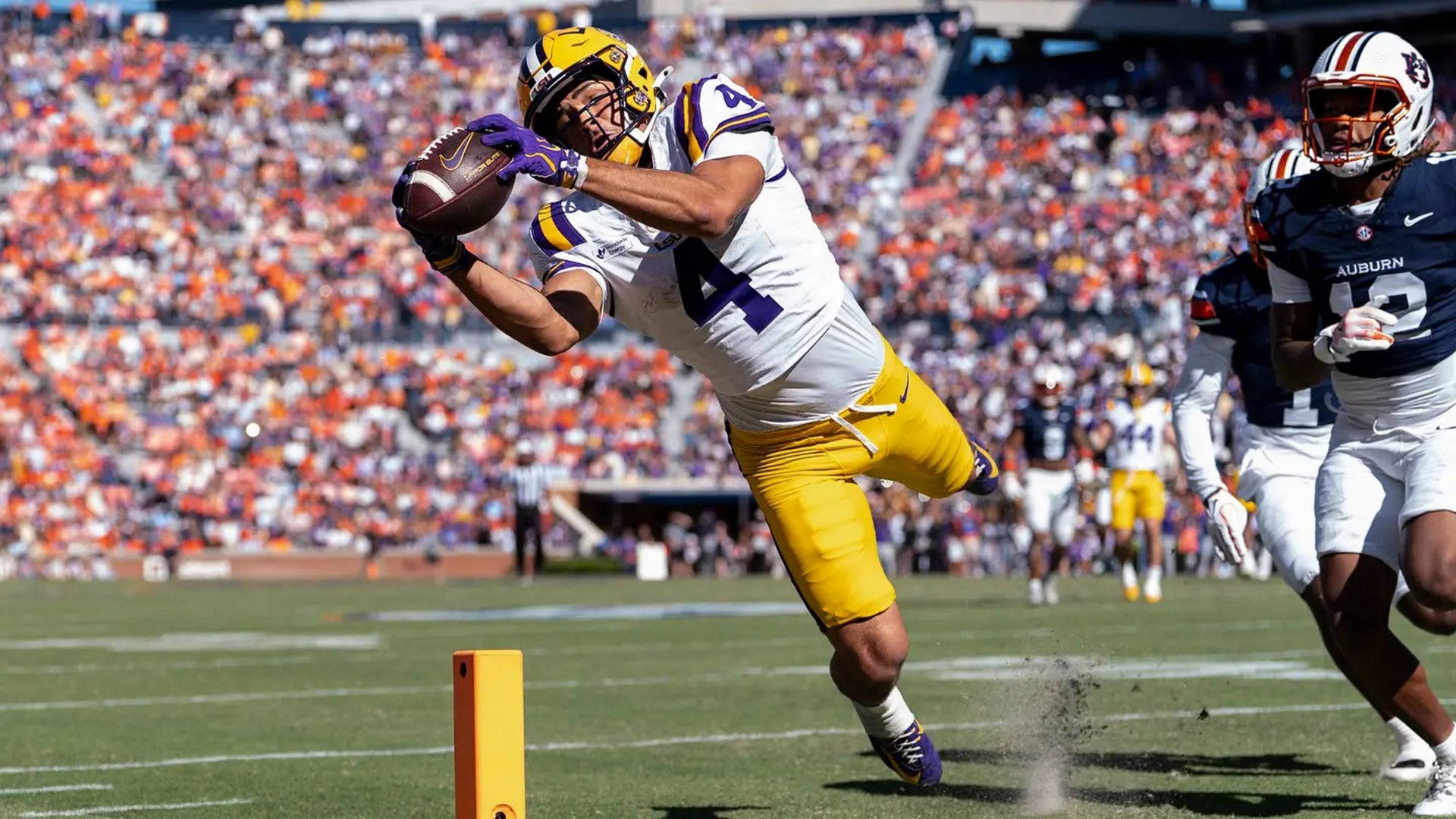
The January window delivered clear winners and some surprising misses. Because front offices moved quickly, the best portal classes stand out for immediate impact. LSU, Kentucky, Miami and Cal earned the most consistent praise from anonymous staffers. For example, one source said, “Miami f—ing killed it. An underrated class, I thought Kentucky did a really good job.” Another added, “LSU did a helluva job, which was expected.”
Key takeaways
-
LSU and Kentucky
- Both programs added proven starters and depth across lines. As a result, they improved readiness for next season.
- Staffers praised LSU for high-end fits and Kentucky for aggressive roster shoring.
-
Miami
- The Hurricanes landed a difference maker at quarterback. Therefore, evaluators called the class underrated.
- The move signals intent and immediate competitiveness.
-
Cal
- Cal pulled smart, cost-effective additions. One insider said, “Cal did a phenomenal job.”
- They added players who fit scheme needs, not just names.
-
Group of Five winners
- Liberty and Western Kentucky drew praise as contenders for the best class in Conference USA.
- Those additions create short-term upward mobility.
Several other programs earned nods for selective, high-value signings. Texas Tech cashed in on Adam Trick and Trey White. Texas landed Cam Coleman at wide receiver. Meanwhile, Memphis added Manny Covey, and Virginia picked up Eli Holstein.
College football transfer portal 2026: best classes and QBs — quarterback market and impact
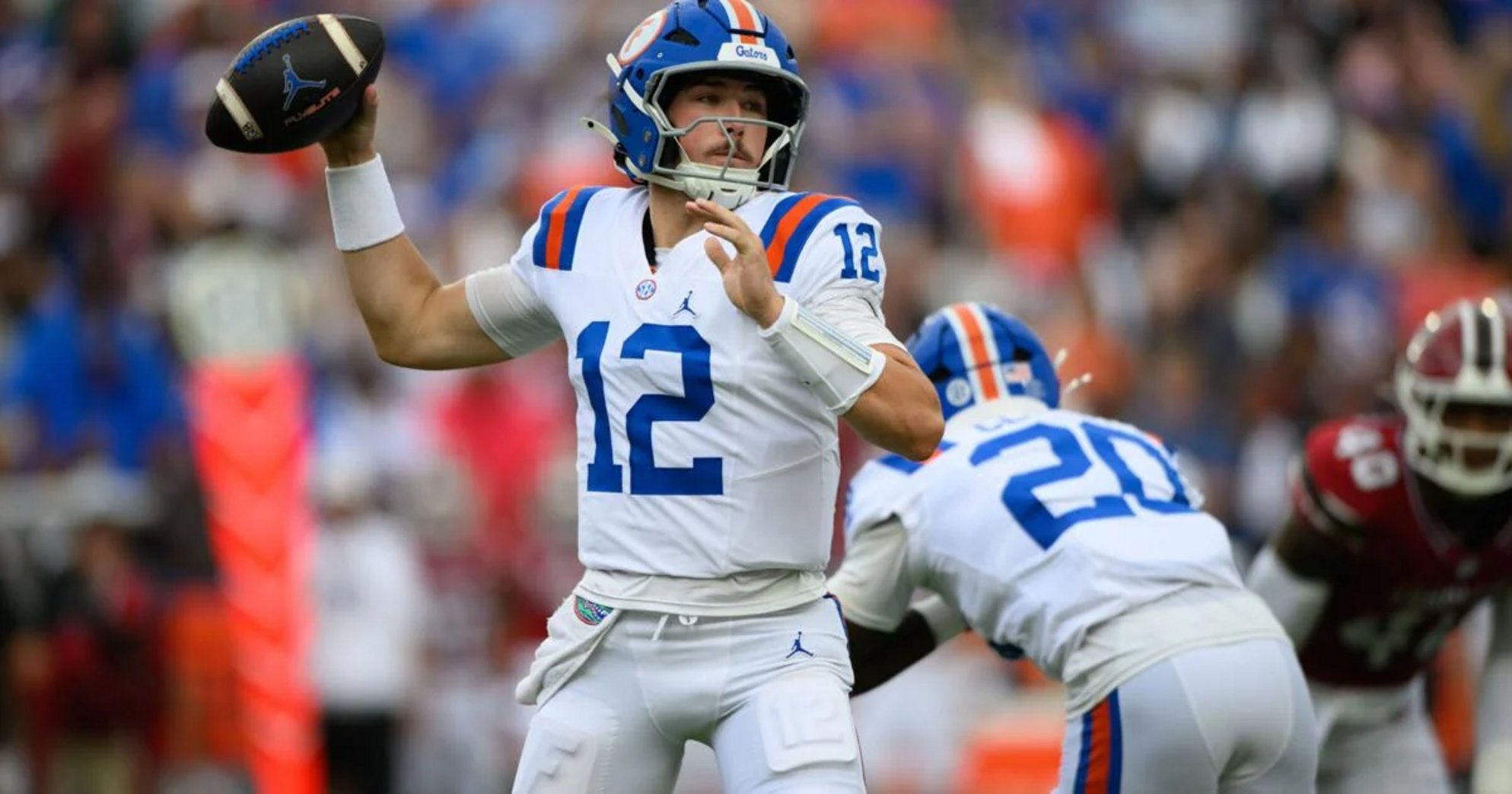
Quarterbacks dominated conversation because the market spiked unusually high. Insiders repeatedly called the QB market inflated. One quote summed it up bluntly: “The quarterback market was very inflated. Since when were quarterbacks worth 5 million? It’s ridiculous.” As a result, teams weighed cost against potential production.
Notable quarterback moves
-
Darian Mensah to Miami
- Mensah brings starting experience and mobility. Therefore, Miami moved from uncertain to favored.
-
Sam Leavitt and other QBs
- Several QBs changed addresses, adding to depth charts and competition.
Why the QB rush matters
- Spending shifted to signal-makers. Consequently, positional depth across rosters narrowed.
- Some programs overpaid in perceived value. For example, staffers compared quarterback valuations to pro-style deals.
- A Liberty defensive back reportedly earned 250,000 in related compensation, which shows the wider market pressure.
Final candid notes
- Alabama drew criticism for underwhelming activity given needs. However, that gap could expose them next season.
- Cal, Kentucky and LSU look positioned to convert portal wins into on-field results.
This analysis uses anonymous front office voices and documented moves to gauge real roster impact. Finally, expect continued volatility because the portal now moves faster each January, and decisions often carry immediate consequences.
| Team | Notable Transfers In | Insider Praise | Market Highlights |
|---|---|---|---|
| Texas Tech | Adam Trick; Trey White; Brendan Sorsby | Texas Tech is doing what they should with their money. | Aggressive spending; defensive upgrades |
| LSU | Jordan Seaton; others | LSU did a helluva job. | High-end fits; top-rated class |
| Miami | Darian Mensah | Miami f—ing killed it. | Paid at quarterback; immediate contention |
| Cal | Adam Mohammed; Solomon Williams; Tristan Jernigan | Cal did a phenomenal job. | Cost-effective, scheme fits |
| Kentucky | Multiple targeted additions | Kentucky did a really good job. | Depth and staff-driven value |
| Alabama | Limited impact signings | Very underwhelming. | Failed to fill key holes |
| Liberty | Group of Five impact players | Contender for best CUSA class | Competitive pay; market pressure |
| Western Kentucky | Group of Five impact players | Contender for best CUSA class | Value pickups; immediate upgrades |
Underwhelming teams and the inflated quarterback market
Several programs finished the January window below expectations. Alabama stands out as the most criticized. One insider said, “Alabama. With everything they lost and knew they needed, it was very underwhelming.” Therefore, their holes remain exposed.
Beyond Alabama, a few Power Five schools took conservative approaches. As a result, they failed to replenish veteran depth. For example, teams that needed line help or a proven starter often settled for lesser options. Consequently, roster building became riskier.
The quarterback market became its own story. In fact, staffers described it bluntly: “The quarterback market was very inflated. Since when were quarterbacks worth $5 million? It’s ridiculous.” Because QBs draw attention, schools stretched budgets and shifted priorities. Meanwhile, some programs overpaid for signal-callers instead of investing in trenches or depth.
Market consequences include
- Higher costs: Teams spent heavily on quarterbacks and marquee names.
- Strategic tradeoffs: Therefore, defensive depth and special teams saw fewer resources.
- Short-term fixes: Consequently, some add-ons may not produce long-term value.
- Competitive imbalance: Smaller programs face pressure to match market moves.
Practically, inflated QB valuations change recruiting and planning. Coaches must now weigh immediate upside against long-term team health. For example, paying premium for a transfer QB may yield wins next year. However, that decision can leave roster gaps in later seasons.
In the end, the portal rewarded decisive spending and punished hesitation. As a result, programs that moved fast and smart, like Miami and LSU, improved their outlook. Conversely, underwhelming windows, led by Alabama, could create a drag on next season’s expectations.
Conclusion
To sum up, the January window reshaped rosters across power conferences and the Group of Five. Insiders highlighted clear winners, middling efforts, and costly quarterback buys. LSU, Kentucky, Miami and Cal graded out well for fit, depth and scheme value.
Conversely, Alabama and a few Power Five programs disappointed. The quarterback market became its own distortion, with staffers calling it “very inflated.” Some asked, “Since when were quarterbacks worth 5 million?” As a result, teams faced hard tradeoffs between immediate upside and long term roster health.
Practically, decisive spending paid off while hesitation punished some programs. Therefore, expect next season to reflect which schools balanced short term needs and sustainable depth. Moving forward, the portal will remain a central roster tool, and staffers must plan for higher costs and faster timelines.
For ongoing coverage and roster tracking, consult SECFB LLC. Website: https://SECFB.com and Twitter/X: @ZachGatsby. Finally, our insider analysis will keep following this evolving market as schools adapt and react.
Frequently Asked Questions (FAQs)
What is the college football transfer portal?
The college football transfer portal is a system that allows players to transfer from one college to another more efficiently. It streamlines the process by making player availability public so that coaches across the NCAA can offer opportunities directly to interested student-athletes. In 2026, it played a pivotal role in reshaping team rosters through strategic player acquisitions.
Which teams stood out in the 2026 transfer portal?
LSU, Miami, Kentucky, and Cal were prominently highlighted as winners in the 2026 transfer window. LSU and Kentucky added depth and talent across the board, earning high praise for their strategic rosters builds. Miami and Cal made strategic acquisitions, with Miami notably excelling in the acquisition of quarterback Darian Mensah.
Why was the quarterback market described as ‘very inflated’?
In the 2026 transfer window, insiders noted the quarterback market was “very inflated” due to unprecedented high spending on signal-callers, sometimes reaching around $5 million in valuation. This inflation is attributed to increased demand for skilled quarterbacks, leading schools to invest heavily for immediate performance at the expense of long-term roster stability.
How did Alabama perform in the transfer portal?
Alabama underwhelmed in the 2026 transfer portal, as they struggled to fill their roster needs effectively. Insider opinions suggested that Alabama left significant gaps unaddressed, potentially setting up challenges for the upcoming season. This conservative approach in the portal led to criticism as they failed to match the dynamic efforts of other schools.
What future trends are expected in the college football transfer market?
Moving forward, the transfer portal is expected to become an increasingly central tool for college football programs. Teams will likely adapt to faster decision-making and budget planning in response to rising inflation in the player market, particularly for quarterbacks. This dynamic will continue to influence how programs balance immediate performance needs with long-term stability.