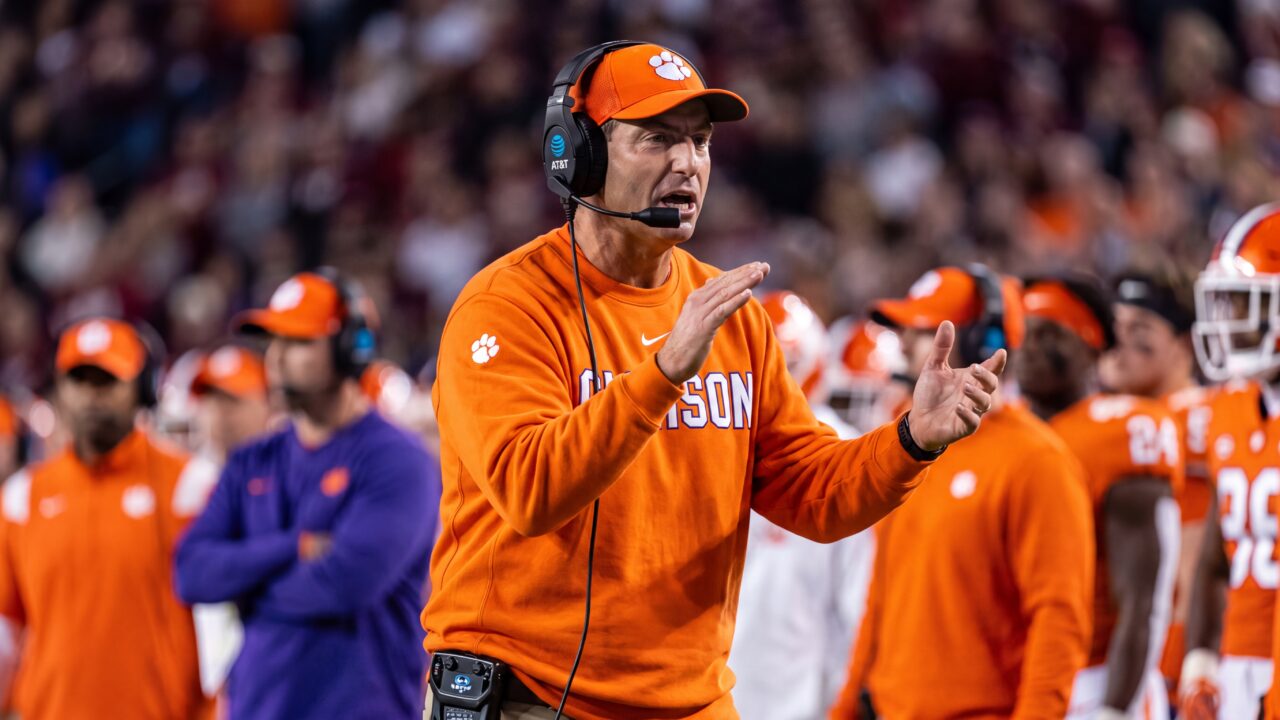
“Rampant,” Clemson coach Dabo Swinney said of tampering in college football, adding that “there has to be some type of order put in place,” and urging congressional action to help deter what he described as widespread interference with programs and players.
Swinney’s remarks, first reported by ESPN, arrived during a transfer-heavy offseason and against the backdrop of expanded NIL activity. He framed the problem as practical, not purely rhetorical: without clearer limits, coaches say recruiting cycles and roster planning suffer.
What Dabo said about tampering
Swinney described tampering as pervasive, using the word “rampant” to summarize his assessment. He criticized the way outside actors and rival programs sometimes bypass traditional recruiting norms and urged federal involvement as one path to create enforceable boundaries.
He stopped short of offering a specific bill or piece of legislation. Instead, Swinney suggested that Congress could help by establishing accountability or incentives for better behavior — a role he sees as complementary to, rather than a replacement for, NCAA enforcement.
Why Swinney wants Congress involved
The coach’s logic centers on deterrence. He argued that simply having rules on the books isn’t enough if there are weak consequences or uneven enforcement. “There has to be some type of order put in place,” he said, stressing that higher-stakes oversight could change incentive structures for programs, boosters and third parties.
Congress could act in a few ways: hold hearings to spotlight the issue, push federal agencies to clarify legal exposure around recruiting and NIL activity, or pass targeted statutes that increase penalties for repeat or egregious misconduct. Any such move would aim to raise the cost of tampering as a form of deterrence.
How tampering affects recruiting and roster stability
In practice, coaches use “tampering” to describe a range of actions: impermissible direct contact with players, recruiting during dead periods, or inducements arranged through boosters and intermediaries. The transfer portal and NIL era have widened the number of actors with the means to influence decisions.
That expansion has real effects on roster management. Programs plan for scholarship windows and development timelines; sudden, targeted poaching or inducements can force coaches into quick roster rebuilds, upset depth charts and disrupt player development plans. Fans and staff see more turnover and less predictability from season to season.
For recruits and current players, the environment can feel noisy and opaque. Even the perception that rivals operate outside accepted norms may push earlier commitments, prompt transfers or make trusted relationships harder to maintain.
What could actually change next
Short-term changes are likelier to center on scrutiny than instant regulation. That could mean congressional hearings, media pressure, or coordinated statements from conferences and athletic directors. If those steps gain traction, federal or state lawmakers might pursue narrow measures aimed at deterrence, such as clearer disclosure rules for NIL deals or stiffer penalties for repeat offenders.
Longer-term reform would require lawmakers to define the scope of federal involvement. Policymakers would weigh options ranging from voluntary standards pushed by oversight hearings to binding statutes that target specific behaviors tied to commerce or fraud. Any meaningful deterrent would need enforcement mechanisms and clear definitions of prohibited conduct.
Media organizations, including ESPN, are expected to continue tracking reactions from other coaches, conference offices and the NCAA. Whether Swinney’s call turns into sustained bipartisan momentum depends on how widely shared his concerns become and whether lawmakers decide to prioritize the issue.
Background and context
Recent rule changes — most notably the transfer portal and NIL rules — have given student-athletes greater freedom but also introduced new complexity. That shift created gray areas around contact, third-party influence and the line between permissible support and improper inducement.
Supporters of tougher controls say clearer rules would protect less-resourced programs and preserve competitive balance. Opponents counter that added regulation could limit player autonomy and complicate legitimate NIL arrangements. Swinney’s comments add a prominent coaching voice to the debate, emphasizing deterrence and enforceability.
FAQ
What did Dabo Swinney mean by tampering is “rampant”?
He meant that, in his view, impermissible or aggressive recruitment-related contact is widespread enough to be a systemic issue. That is Swinney’s characterization and should be read as his assessment rather than an independently verified conclusion.
Can Congress actually make rules about college football tampering?
Congress can enact laws that touch recruiting if tied to federal powers (interstate commerce, fraud statutes) or create incentives via reporting and oversight requirements. More realistically, lawmakers could spark hearings or require transparency that pressures governing bodies to change, rather than micromanage everyday recruiting conduct.
How would new tampering rules affect recruiting?
Targeted deterrence measures could reduce third-party meddling and stabilize recruiting windows, proponents say. But stricter rules could also complicate legitimate NIL activity and require clearer compliance resources, potentially altering how programs and players negotiate agreements.
Source: ESPN — Dabo: Need Congress to halt ‘rampant’ tampering
What Congress would need to act: Any federal response would require lawmakers to define prohibited conduct, identify enforcement partners (federal agencies, state attorneys general or the NCAA), and decide whether to pursue narrow transparency and penalty-boosting measures or broader statutory reforms. That process would likely start with oversight hearings and stakeholder testimony.