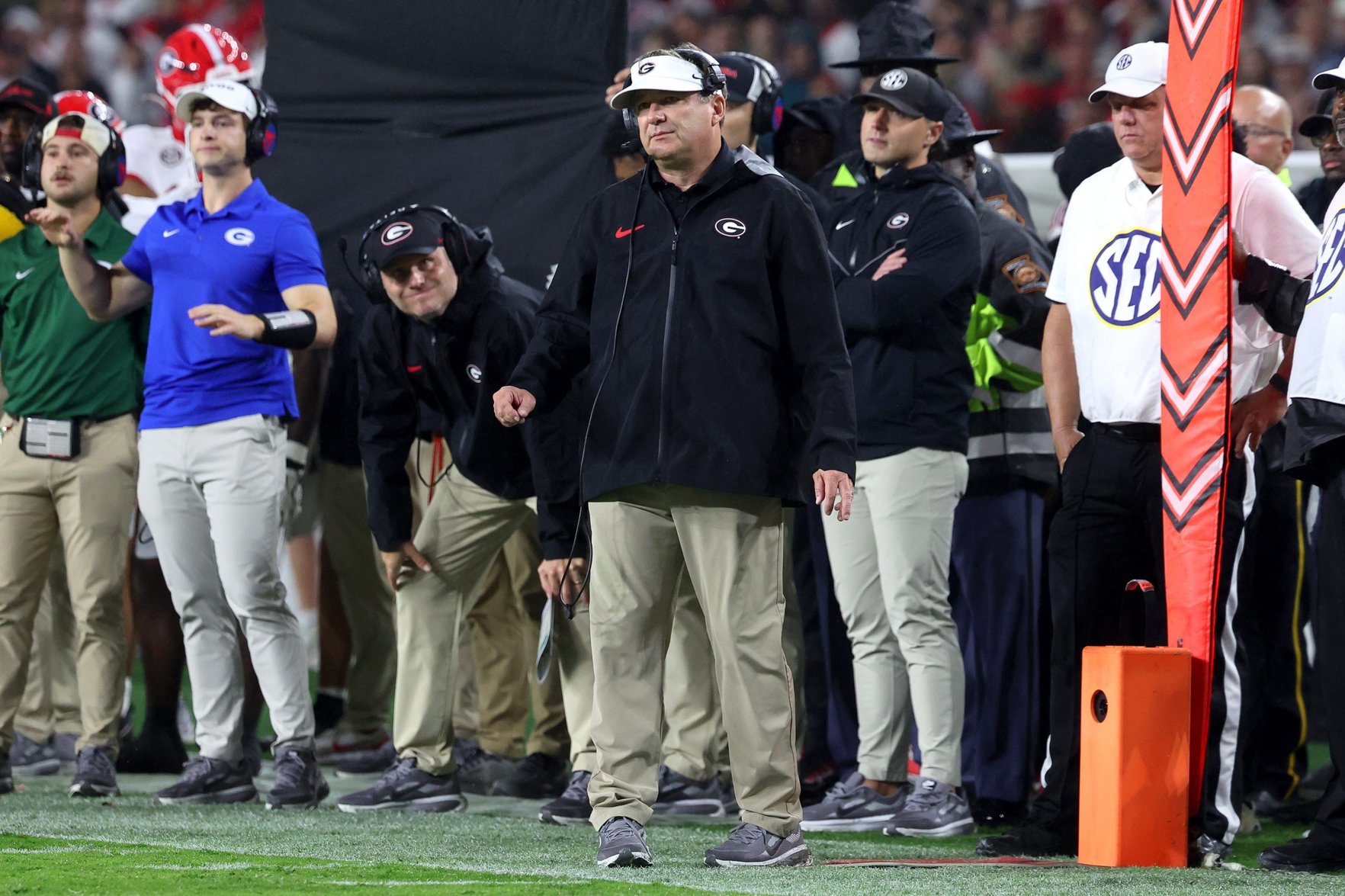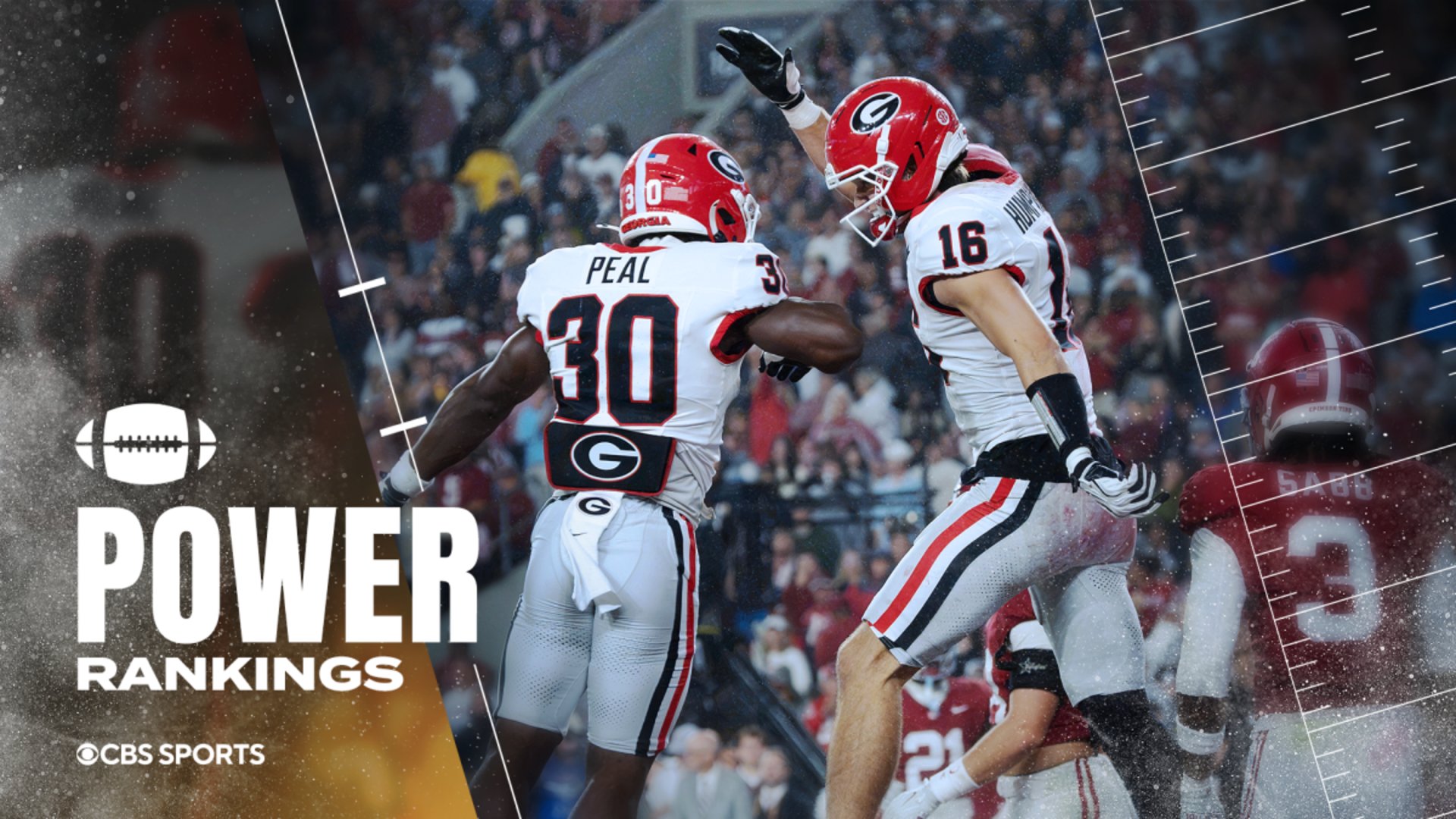
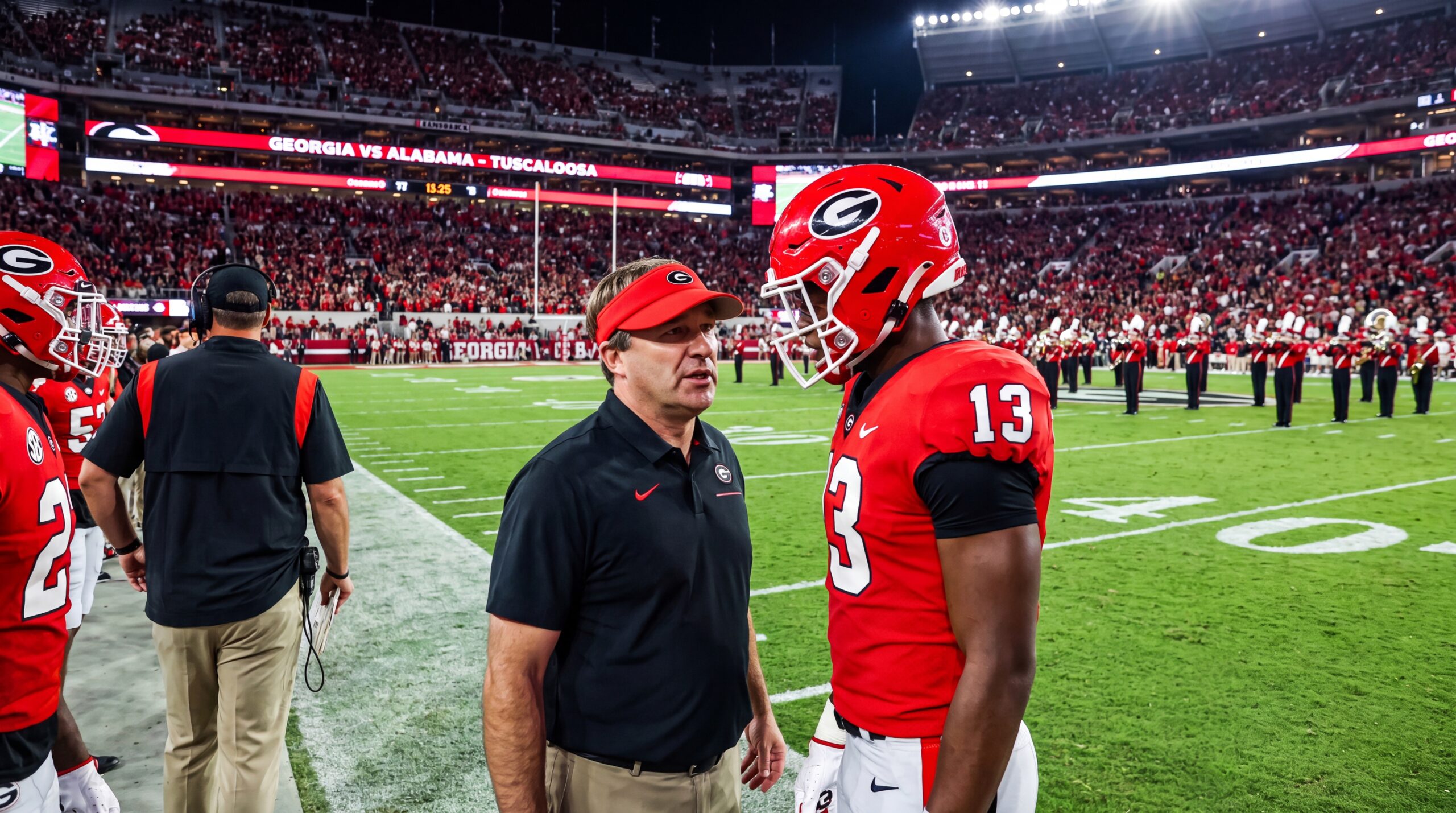
Daily Dawg Thread: July 05, 2026 — Bulldawg Illustrated flags the Georgia Bulldogs’ trip to Tuscaloosa as potentially “the season’s biggest margin test.” That framing positions the Alabama game as a measuring stick for how Georgia handles hostile environments, situational football, and travel-related friction (Bulldawg Illustrated, July 05, 2026).
This piece unpacks that claim and lays out the specific matchups and roster context fans should follow. We summarize the Daily Dawg Thread take, explain why Tuscaloosa matters as a concept rather than a guaranteed outcome, and outline the schedule and season implications for Georgia’s 2026 title pursuit.
Why Tuscaloosa matters for the Georgia Bulldogs
The Bulldawg Illustrated post argues that Tuscaloosa is more than a location; it is a context that amplifies small margins. In practical terms, a margin test asks whether a team can avoid mistakes, win tight situational plays, and manage the hidden costs of a tough road trip. The original thread frames the game as a high-leverage point in Georgia’s 2026 slate rather than a foregone result.
That matters because margin-based outcomes—late third-down stops, a single turnover, or one special teams swing—often decide close rivalry games. The post points to crowd noise, travel logistics, and Alabama’s comfort in tight moments as the key situational variables that can convert minor execution lapses into game-defining plays (Bulldawg Illustrated).
Key matchups and roster notes that decide the margin
Matchup 1 — Offensive line vs. Alabama front: Sustaining drives is the simplest way to reduce variance. When Georgia controls time of possession and wins the line-of-scrimmage battles, the game narrows and the opponent has fewer scoring opportunities. The thread emphasizes that even modest lapses up front can open the door to splash plays that flip the margin.
Matchup 2 — Quarterback poise vs. pressure: The quarterback’s ability to process pressure and convert on critical downs matters more in a one-score environment. The Daily Dawg Thread singles out third-down execution and red-zone decision-making as decisive moments where a quarterback’s rhythm and play-calling under duress become margin-makers.
Matchup 3 — Special teams and turnover control: Special teams often shift expected points in close games. A single blocked punt, a long return, or a giveaway in poor field position can erase weeks of preparation. The piece highlights that disciplined kicking, punt protection, and ball-security drills become disproportionately important when a matchup is framed as a margin test.
Roster context: Depth and experience are recurring themes. The thread notes that rotations at edge, interior offensive line, and secondary will influence Georgia’s ability to withstand attrition over a long season. Young players who can execute in low-leverage reps build the trust necessary to perform in late-game, high-pressure moments.
Game environment and travel context
The travel footprint to Alabama is a practical piece of the margin argument. Late arrivals, recovery windows, and sideline communication under high crowd noise can increase execution risk. The Daily Dawg Thread treats these as manageable but meaningful variables that amplify tiny errors into decisive moments.
Kickoff timing and weather windows are additional modifiers: a night game with full crowds compresses margins, and teams that proactively simulate crowd noise and two-minute scenarios in practice reduce in-game surprises. The analysis suggests Georgia’s staff should prioritize those rehearsal details if they view Tuscaloosa as a targeted test.
Schedule placement and 2026 implications
Where the Tuscaloosa game falls on the calendar changes its weight. Early-season tests can be corrected later; late-season slip-ups have heavier playoff and seeding consequences. Bulldawg Illustrated frames the Alabama trip as a gatekeeper moment: a clear road win reinforces Georgia’s margin stability, while a narrow escape or loss complicates the title narrative.
Beyond a single result, margin-oriented metrics—net points in one-score games, turnover margin, and special teams efficiency—offer a season-long way to track Georgia’s resilience. The thread recommends watching those indicators as a cumulative signal of whether the Bulldogs can consistently win tight games away from home.
What to watch next
Key early-season indicators include offensive-line cohesion (run-blocking and pass sets), third-down conversion trends, and special teams consistency. Coaching adjustments that become visible in-game—rotation choices on rush packages, situational aggressiveness on fourth downs, or conservative clock management—are also telling signs of a staff preparing for high-leverage road tests.
Recruiting and early reps matter: which freshmen or transfers earn situational minutes in low-stakes games can forecast who steps up in midseason pressure situations. The Daily Dawg Thread suggests fans watch depth charts and early-season snap counts for clues about midseason readiness.
Source and next steps
This analysis is based on Bulldawg Illustrated’s Daily Dawg Thread: July 05, 2026, which frames Georgia’s trip to Tuscaloosa as a possible season-defining margin test. Read the original piece for the full lookahead and excerpt at Bulldawg Illustrated. Note: this article summarizes and analyzes that post; official game dates, kickoff times, and roster changes should be confirmed through team releases and official schedules as they are published.
What to watch next: monitor early-season O-line play, third-down rates, and special teams execution. Those indicators will tell you whether Georgia arrives in Tuscaloosa ready to pass the margin test or facing a pivotal make-or-break matchup on the road.