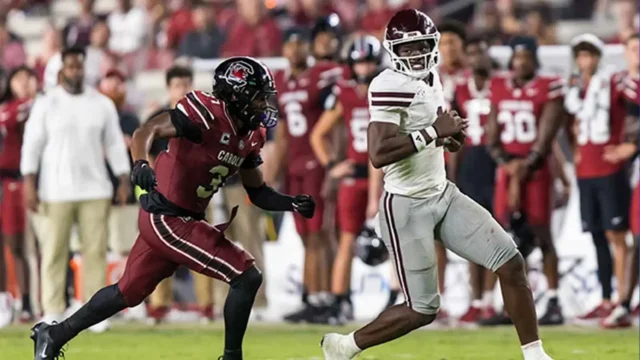
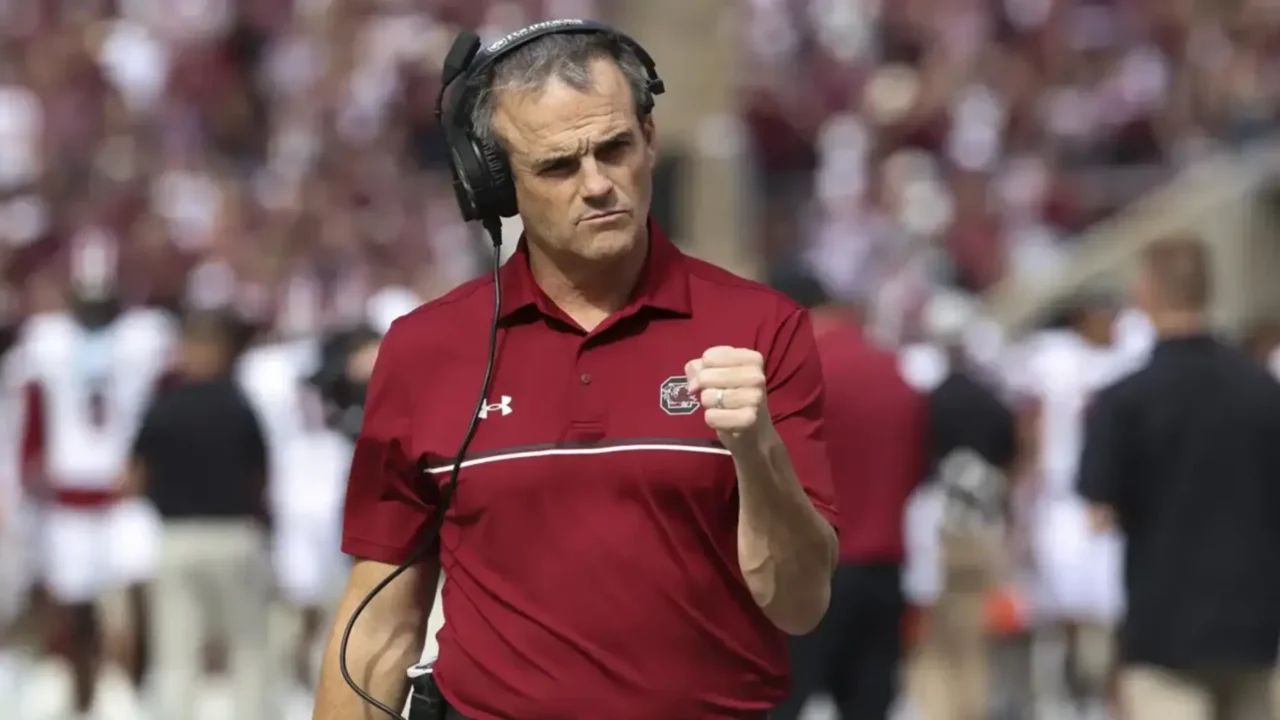
Halftime leads carry outsized emotional weight for Gamecock fans and can shape how a coaching staff approaches the second half. Halftime leads are a visible marker of in-game momentum, but local reporting shows the relationship between a halftime edge and final results is not automatic.
Local reporting from Post and Courier notes that halftime leads are usually a good sign for the program while also pointing to an intriguing split in outcomes. Want the inside scoop on Gamecock athletics? Subscribe to Gamecocks Now.
Key Takeaways
- Halftime leads are usually a good sign for the Gamecocks, but they do not guarantee a victory in all cases.
- Local reporting highlights a split when it comes to halftime leads and final results, suggesting in-game adjustments and roster factors matter greatly.
- This piece frames halftime performance in the context of second-half adjustments, depth, and situational execution rather than as a simple predictor of wins.
Halftime leads and second-half patterns
For many fans, a halftime lead creates optimism and forces opponents to change their approach. That optimism matters, but so do coaching adjustments and the ability of the roster to execute a second-half game plan.
Local coverage points to a consistent pattern: when the team protects the football, sustains drives and wins the third-quarter battle, a halftime edge often turns into a final win. When turnovers, short fields or special-teams lapses creep in, early leads can evaporate.
Structurally, halftime leads force both sideline staffs to make choices — be aggressive to protect a lead or press to erase one. The decisive factor in many of the split outcomes is how well the team adapts to those choices at the player level.
Why halftime leads can fail to hold
Turnovers, penalties and field-position swings are the most frequent culprits when halftime advantages slip away. Those are not headline-grabbing season themes but are game-level variables that change momentum quickly.
Depth and situational experience also play a role. Games that tighten in the fourth quarter often expose thinness along the offensive line, in the receiving corps, or in late-game defensive rotation.
Finally, play-calling balance across phases matters. Teams that rely too heavily on one approach in the second half can become predictable, allowing opponents to counter effectively and erase halftime margins.
Halftime leads history and context
| Game state at halftime | Typical second-half outcome based on local reporting |
|---|---|
| Holding a halftime lead | Tends to translate into a positive finish when the team protects the ball and sustains third-quarter momentum. |
| Tied or trailing at halftime | Outcomes vary; local reporting highlights an intriguing split in results that depends on halftime adjustments and situational execution. |
Halftime leads and CFP recruiting NIL implications
From a program-building perspective, consistent second-half execution from halftime positions affects more than single games. Strong finishes improve win totals, which in turn influence College Football Playoff considerations and the program narrative recruiters evaluate.
Recruiting conversations often center on the ability to close games and execute under pressure. Demonstrable reliability in turning halftime leads into wins provides tangible proof points in those discussions.
NIL conversations and broader roster construction also intersect with in-game performance. While the sources here don’t quantify financial or roster moves, the competitive perception created by winning late and protecting leads feeds the program’s broader positioning in the SEC and nationally.
Reporting: David Cloninger, Rock Hill, S.C.
Want the inside scoop on Gamecock athletics? Subscribe to Gamecocks Now.