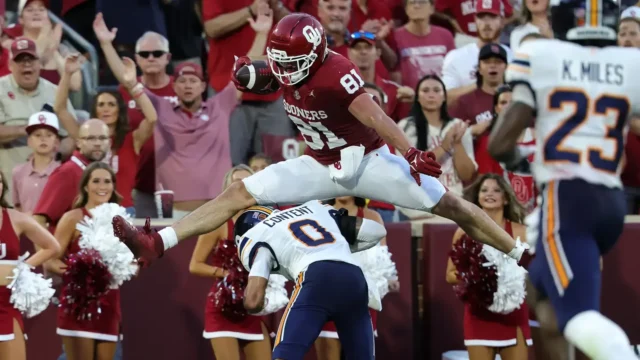
Jayden Daniels’ camp has escalated a jersey-number dispute with LSU, asking the school to return its copy of his Heisman Trophy and to block DJ Pickett from wearing the No. 5 jersey, per a report from Saturday Down South.
The disagreement centers on alleged NIL concerns tied to Daniels’ association with No. 5 and intensified after a cease-and-desist was reportedly sent, prompting public pushback from Pickett and his family.
Key Takeaways
- Daniels’ representatives asked LSU to return its copy of his Heisman Trophy and to block DJ Pickett from wearing the No. 5 jersey.
- Reporting indicates Pickett was promised the No. 5 jersey during recruitment and initially wore No. 3 as a freshman.
- Daniels’ camp delivered a cease-and-desist aimed at protecting his name, image and likeness interests tied to the No. 5 designation.
- Pickett and his family publicly pushed back, saying the notice increased their desire for the No. 5 jersey.
Daniels Heisman demand and legal posture
The central escalatory move is a request from Daniels’ representatives that LSU return the school’s copy of the Heisman Trophy Daniels won as a fifth-year senior.
The demand is framed as a reaction to the prospect of another player wearing No. 5, with Daniels’ camp arguing that allowing the number to be used could implicate his name, image and likeness interests and prompting a cease-and-desist letter.
Recruiting promise and jersey history
The dispute traces back to recruitment promises and the symbolic value of a longtime personal number, with reporting noting Pickett was promised No. 5 and wore No. 3 while Daniels retained the number.
When Pickett later negotiated his return to the program, conversations reportedly focused on the jersey number rather than financial terms, turning a routine roster detail into a public matter.
Number rights NIL and player branding
For high-profile players, an individual jersey number can be a central element of personal branding, particularly when tied to national recognition.
This case highlights how equipment and uniform choices can intersect with commercial considerations and how such disputes may be framed as protecting marketable attributes.
Locker-room optics and roster cohesion
A public clash over a single jersey number can affect locker-room chemistry and the program’s recruiting message, especially when it involves a decorated former player and a returning recruit.
Program leaders may need to address the matter quickly to manage internal dynamics and external perceptions among prospects and stakeholders.
Jersey number disputes and program context
| Case or context | Verified facts and implications |
|---|---|
| Daniels–Pickett dispute | Reported request that LSU return its copy of Daniels’ Heisman; cease-and-desist sent to Pickett; dispute tied to NIL concerns and a recruitment promise for No. 5. |
| Recruitment-number negotiations in SEC programs | Jersey numbers are often discussed during recruitment and return negotiations; disputes over symbolic items can alter public perception and influence recruiting momentum. |
SEC recruiting and roster construction implications
This disagreement could ripple through LSU’s recruiting message and short-term roster management within the SEC, as high-visibility disputes provide talking points for rivals and affect prospect perceptions.
Continued public friction between prominent players and the program can distract from on-field preparation and shift national narratives during critical recruiting and scheduling periods.