Kalen DeBoer contract extension Alabama: A High-Stakes Gamble for the Tide
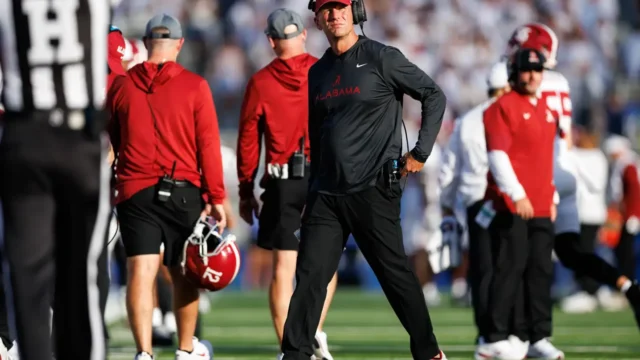
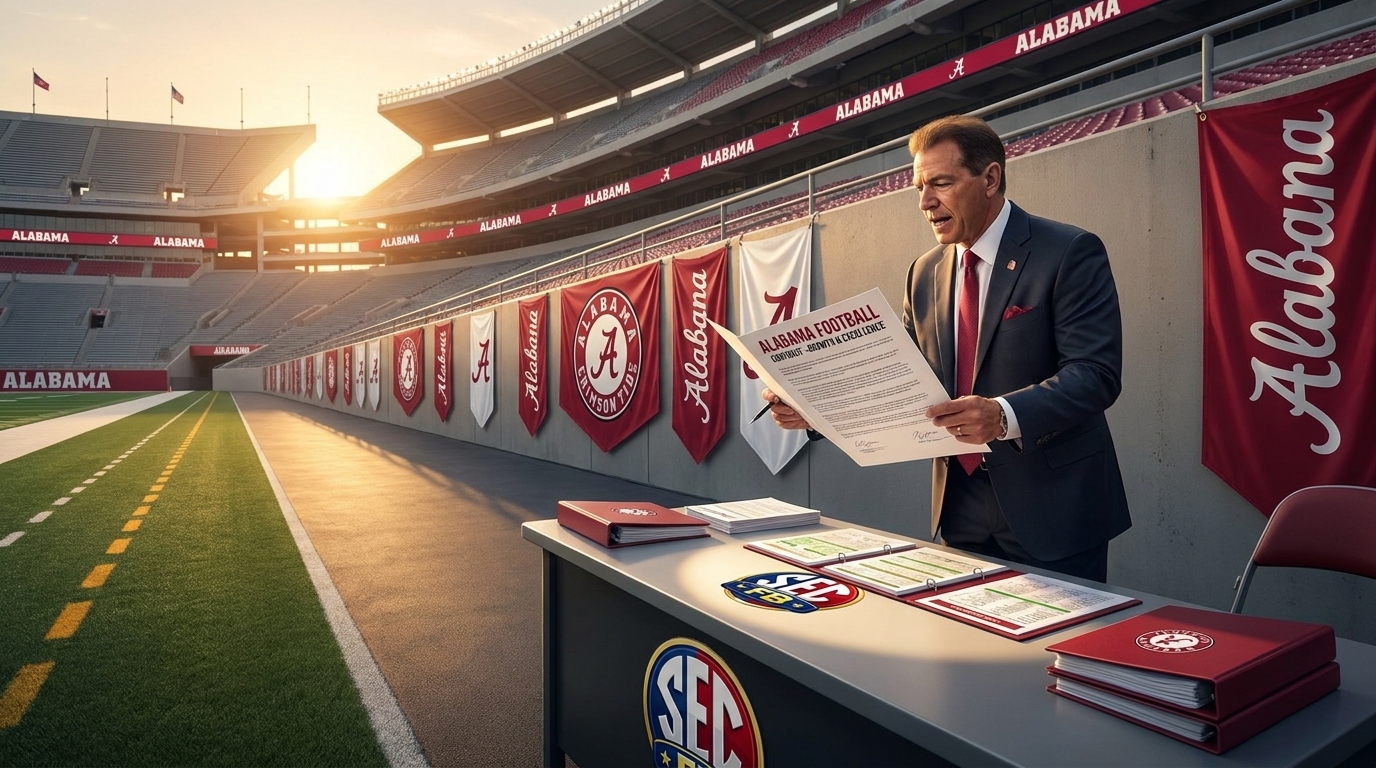
Kalen DeBoer contract extension Alabama is more than a pay raise; it is a directional bet. At roughly $87.5 million over seven years, the deal locks DeBoer into Tuscaloosa. However, this move signals caution rather than confidence from the administration. Therefore, pragmatic fans should ask what Alabama traded for roster stability.
DeBoer arrives with a 20-8 record at Alabama, but the Tide has not looked dominant. Moreover, Alabama’s NIL budget and shifting SEC landscape complicate recruitment. Because the program faces tougher parity, the extension may cap Alabama’s ceiling. In short, this contract tells us the university values continuity, yet it also exposes long-term risk.
Compared to Saban’s early contracts, this extension trades upside for caution. Moreover, if DeBoer stalls, Greg Byrne and trustees face harsh blowback. Still, fans should watch recruiting outcomes and bowl performance as true measures. Ultimately, this extension rewrites Alabama’s near-term identity, for better or worse.
Kalen DeBoer contract extension Alabama: The Numbers and the Price
The headline figure is blunt and uncomfortable. The Kalen DeBoer contract extension Alabama pays roughly 87.5 million dollars over seven years. Because the deal locks DeBoer into Tuscaloosa, Alabama sacrifices flexibility for stability. Moreover, the guaranteed money and term create a high buyout hurdle. As a result, the administration limits midcourse corrections if results falter.
What that means in practice is stark. DeBoer is 20-8 in two seasons at Alabama, yet the Tide has not looked dominant. Therefore, the payout buys time rather than immediate performance. Still, continuity can help recruiting and staff retention. For background on staff contracts and pay structure, see SECFB’s breakdown at SECFB’s breakdown.
Kalen DeBoer contract extension Alabama versus Nick Saban: A Different Template
Nick Saban’s initial Alabama contract was far smaller in scope and duration. In contrast, Saban’s early deals left more upside for the university. Because Saban proved himself on the field, those smaller early contracts grew into dynasty-level paydays. Meanwhile, DeBoer receives near-elite compensation before he has matched that on-field résumé. As Touchdown Alabama Magazine observed, “No one is denying his talent as a coach; however, the lengthy extension Alabama gave him in good faith comes before he’s proven anything.” Read more here.
Implications for recruiting, NIL and program ceiling
The contract reshapes Alabama’s competitive calculus. First, it limits financial flexibility for future coaching moves. Second, because the SEC and NIL landscapes have changed, the extension may not guarantee top recruiting classes. Finally, as one critic warned, “The financial ramifications of DeBoer’s deal has the Crimson Tide locked into its good, but not great head coach for the next eight seasons.” If true, Alabama trades potential upside for near-term stability. Fans should therefore watch recruiting outcomes, NIL commitments and bowl performance as the true measures of whether this gamble pays off.
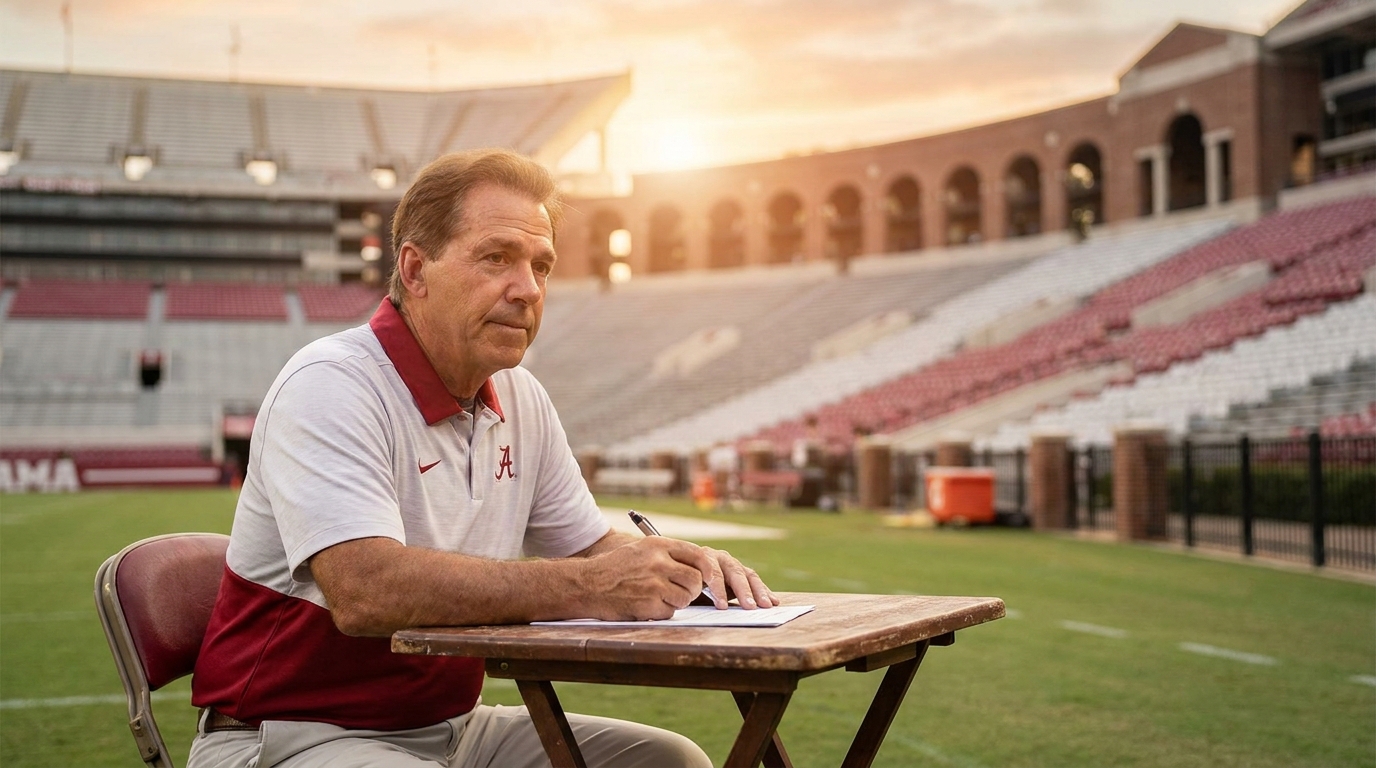
Kalen DeBoer contract extension Alabama: Evidence and historical comparison
The simple fact is stark. Kalen DeBoer contract extension Alabama guarantees roughly 87.5 million dollars over seven years. Because the payout is frontloaded and long, Alabama trades mobility for stability. Therefore, the buyout and guaranteed money raise the cost of a midcourse correction. As a result, the program will feel financial friction if it needs a change.
Critics have not been quiet. As one opinion noted, “The financial ramifications of DeBoer’s deal has the Crimson Tide locked into its good, but not great head coach for the next eight seasons.” Likewise, another blunt assessment said, “Alabama has made its bed with Kalen DeBoer, and now it must lie in it.” These lines underscore the stakes.
| Coach | Contract value (reported) | Length | Approx annual pay | Championships won (at Alabama) | Notable achievements |
|---|---|---|---|---|---|
| Kalen DeBoer | $87.5 million | 7 years | ~$12.5 million | 0 | 20-8 at Alabama; program builder elsewhere |
| Nick Saban (initial) | $32 million (initial deal) | 8 years | ~$4 million | 2 BCS national titles (2009, 2011) | Built modern dynasty; multiple SEC titles |
| Nick Saban (2012 extension) | Reported higher annual pay (~$5.6M) | 8 years | ~$5.6 million | N/A | Extension rewarded sustained success |
| Gene Chizik | Not publicly detailed | N/A | N/A | 1 national title | Rapid rise then quick fall |
| Gene Stallings | Not publicly detailed | N/A | N/A | 1 national title | Traditional program success |
Interpretation and evidence
First, DeBoer’s per-year number far exceeds Saban’s early pay. Therefore, the university essentially bought security more than upside. Second, Saban’s smaller early contracts gave Alabama leverage while he proved himself. As a result, the school benefited as the coach’s value rose. Third, because SEC competition and NIL pressure grew, Alabama may have felt compelled to pay now. Still, this contract limits long-term flexibility. Watch recruiting, NIL commitments and bowl outcomes as proof points. If DeBoer wins consistently, the optics will flip. Otherwise, the extension will look like a costly hedge that capped Alabama’s ceiling.
Critical perspective: Kalen DeBoer contract extension Alabama under scrutiny
Stephen M. Smith did not mince words. “Alabama has made its bed with Kalen DeBoer, and now it must lie in it.” His line captures clear skepticism about timing and judgment. Because the extension arrived early, many feel Alabama rewarded promise more than proof.
Other critics sharpen the financial critique. “The financial ramifications of DeBoer’s deal has the Crimson Tide locked into its good, but not great head coach for the next eight seasons.” As a result, the buyout and guaranteed money limit flexibility. If results slip, the cost of change grows heavy.
There are competitive consequences across the state and conference. “So what this means for Auburn is Alabama has effectively limited its ceiling.” Therefore, rivals may face a Tide that is stable but not ascendant. In short, Auburn could benefit if DeBoer stalls, yet parity in the SEC grows tougher each year.
Recruiting and NIL matter here as well. Alabama’s constrained NIL budget raises questions about sustaining elite classes. However, long contracts can signal security to recruits and staff. Still, the tradeoff remains: buyout protections versus nimble responses to failure.
The tone is blunt because stakes are high. “We will see in year three if DeBoer takes the next step.” Until then, critics warn that Greg Byrne and the trustees tied Alabama’s hands.
Conclusion: Kalen DeBoer contract extension Alabama — a long shadow over the Tide
The DeBoer extension changes Alabama’s path for years. At roughly 87.5 million dollars across seven years, the deal buys patience but costs flexibility. Because the contract frontloads guarantees and inflates the buyout, Alabama reduces its ability to pivot. Moreover, this decision places pressure on Greg Byrne and the trustees if results lag.
Critically, Alabama traded a Saban-style upside template for stability. As a result, the program may hold steady but lose ceiling potential. With a constrained NIL budget, recruiting battles will matter more than ever. If DeBoer wins consistently, critics will be silenced. However, if he stalls, the financial drag will become obvious.
Fans and rivals should watch three markers closely: recruiting classes, NIL commitments, and postseason results. Until year three, the jury remains out on whether this gamble pays off. Ultimately, the extension is a wager on continuity over volatility, and it reshapes SEC dynamics.
For ongoing coverage and deeper context visit SECFB LLC. Website: SECFB.com Twitter/X: @ZachGatsby
Frequently Asked Questions
What are the key terms of the Kalen DeBoer contract extension Alabama?
The deal is worth roughly $87.5 million over seven years. It averages about $12.5 million per year. Moreover, it carries heavy guarantees and a steep buyout. Because of that, Alabama limits its ability to remove the coach without large cost. Still, the extension buys stability for recruiting and staff retention.
How does DeBoer’s contract compare to Nick Saban’s early deals?
Nick Saban’s initial Alabama contract was roughly $32 million over eight years, about $4 million annually. However, Saban proved himself and later earned far more. By contrast, Alabama paid DeBoer near-elite money before he matched Saban’s resume. As Stephen M. Smith put it, “No one is denying his talent as a coach.” However, Smith warned the lengthy extension came before DeBoer proved himself.
What impact will the contract have on recruiting and the NIL budget?
The extension signals continuity, which helps recruits and assistants. However, Alabama’s constrained NIL budget remains a problem. Because the SEC now competes heavily on NIL, the Tide must pair stability with better NIL offers. Otherwise, top targets could go elsewhere despite the coach’s job security.
Does the contract increase buyout risk and reduce flexibility?
Yes. The long term and guarantees raise the financial cost of change. Therefore, midseason or short-term corrections become harder. As a result, administration decisions gain outsized weight, especially if performance dips.
How does this reshape the SEC and Auburn’s prospects?
The deal stabilizes Alabama but may cap upside. So what this means for Auburn is Alabama has effectively limited its ceiling. Meanwhile, rivals gain hope if DeBoer falters. Ultimately, watch recruiting, NIL commitments, and postseason results.