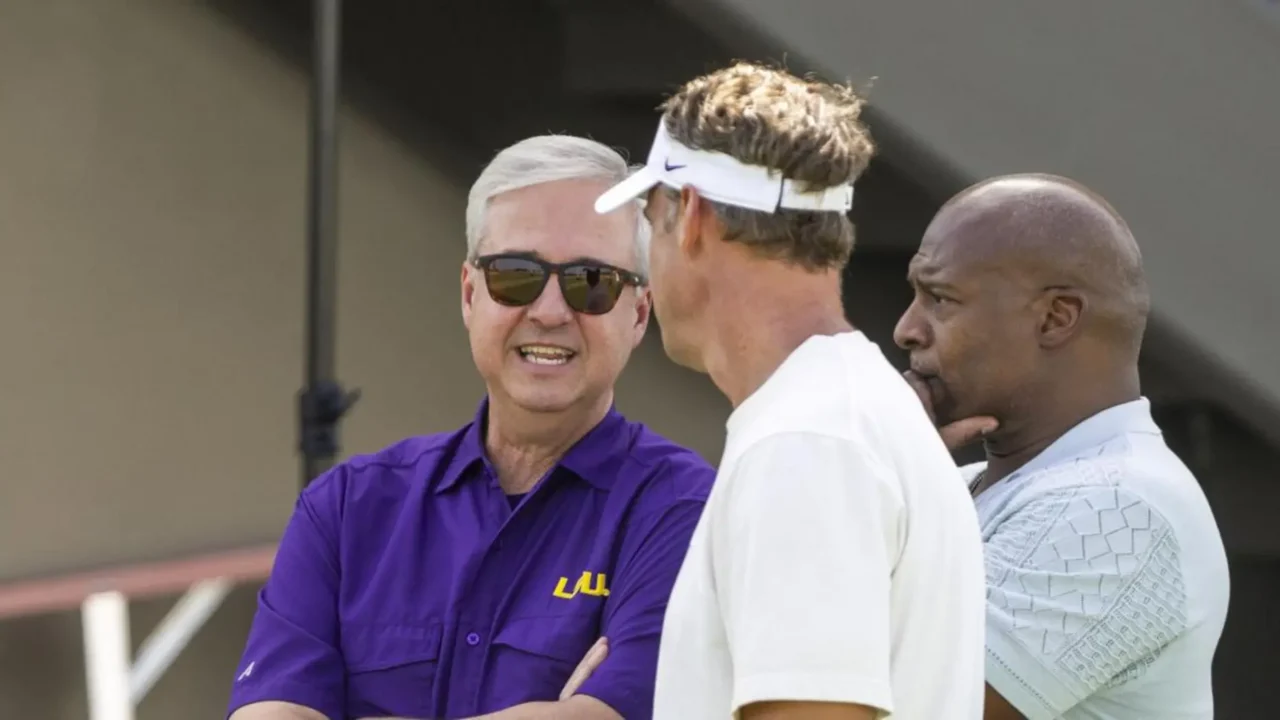
Lane Kiffin recruiting fifth-year and former professional players represents LSU’s most immediate roster pivot this summer amid unresolved eligibility questions and conference transfer rules.
Scott Rabalais reported that LSU has pursued Dae’Quan Wright, Zxavian Harris and Junior Tuihalamaka after injunction rulings opened recruiting opportunities, and that reporting is available at NOLA.com.
Key Takeaways
- Lane Kiffin and LSU have targeted former professional and recent NFL players who won temporary injunctions granting them fifth-year eligibility.
- The group named in reporting includes Dae’Quan Wright, Zxavian Harris and Junior Tuihalamaka, but court hearings and conference transfer restrictions leave availability uncertain.
- Some SEC programs reportedly want penalties for LSU’s approach, but there is currently no existing structure to enforce such sanctions.
- Kiffin framed the strategy as a competitive duty to LSU while acknowledging the controversy these moves generate.
Why Kiffin targeted former pro players
Kiffin described recruiting the newly eligible players as a straightforward choice: they won injunctions that restored a fifth year of eligibility and therefore became recruitable options for programs nationwide.
He defended the approach as part of his obligation to the program, saying his job is to benefit LSU and framing the recruits as situational fits who can help immediately at needed positions.
The coach also leaned into his history of weathering criticism, noting he has used his personal narrative while explaining why LSU would press this opportunity despite the optics.
Lane Kiffin recruiting fifth-year/professional players
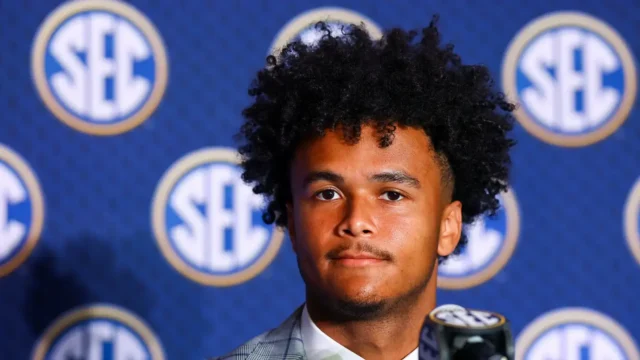
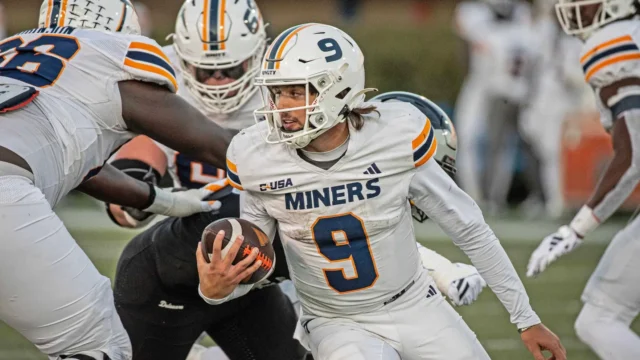
The reporting ties Kiffin’s outreach directly to a trio of players with recent college and professional stops: Dae’Quan Wright, Junior Tuihalamaka and Zxavian Harris.
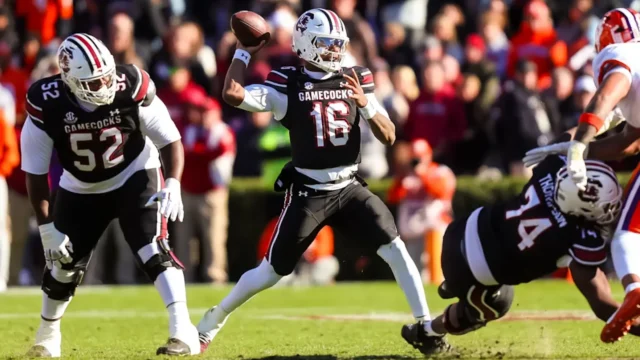
Wright and Harris are specifically named among those who filed for and received temporary injunctions related to eligibility, and Harris was noted as recently cut by an NFL roster, making his situation different from a typical incoming transfer.
Kiffin argued these athletes are a special-case cohort—players who left college early, faced changing rules, and now have a legal path back to campus for a final season of eligibility.
Eligibility rulings and player status comparison
| Player | Recent background | Injunction status | Availability context |
|---|---|---|---|
| Dae’Quan Wright | Former tight end with college and brief professional stops | Filed and received a temporary injunction restoring eligibility | Court hearings remain and availability depends on legal and conference clearance processes |
| Zxavian Harris | Former Ole Miss defensive tackle who was recently cut by an NFL roster | Filed and received a temporary injunction restoring eligibility | Cut by an NFL team prior to reported recruiting interest; eligibility still subject to SEC transfer rules and court outcomes |
| Junior Tuihalamaka | Former Notre Dame defensive end brought into LSU’s program | Reportedly recruited by LSU and integrated into positional planning | Listed as a positional addition with eligibility tied to standard transfer and clearance procedures |
How LSU’s moves reshape SEC roster construction
The practical constraint on whether these athletes can play for LSU this season is twofold: pending court outcomes for the injunctions and the SEC’s intra-conference transfer restrictions that limit movement to the January portal window.
There is reported pressure within the league, with some conference members seeking penalties for recruiting players with recent professional ties while league leaders currently lack a defined penalty framework to apply.
For roster construction, LSU is treating these roster opportunities as immediate depth additions rather than long-range developmental pieces, which could alter position battles and short-term game-planning if the players are cleared to play.