LSU football 2026 arrives with urgency as a high-profile coaching change and a transfer haul reset expectations in Baton Rouge.
The hire of Lane Kiffin and a slate of impact transfers create a narrow window for national title contention that depends on immediate cohesion, and the evaluations behind that optimism are laid out in the team preview from PFF.
Key Takeaways
- LSU enters 2026 with clear offensive upside centered on Sam Leavitt and an elite receiving corps.
- Jordan Seaton’s pass-protection profile materially upgrades LSU’s tackle room while run-blocking remains a concern.
- The offensive line grades from last season require improvement for LSU to sustain a championship-caliber offense.
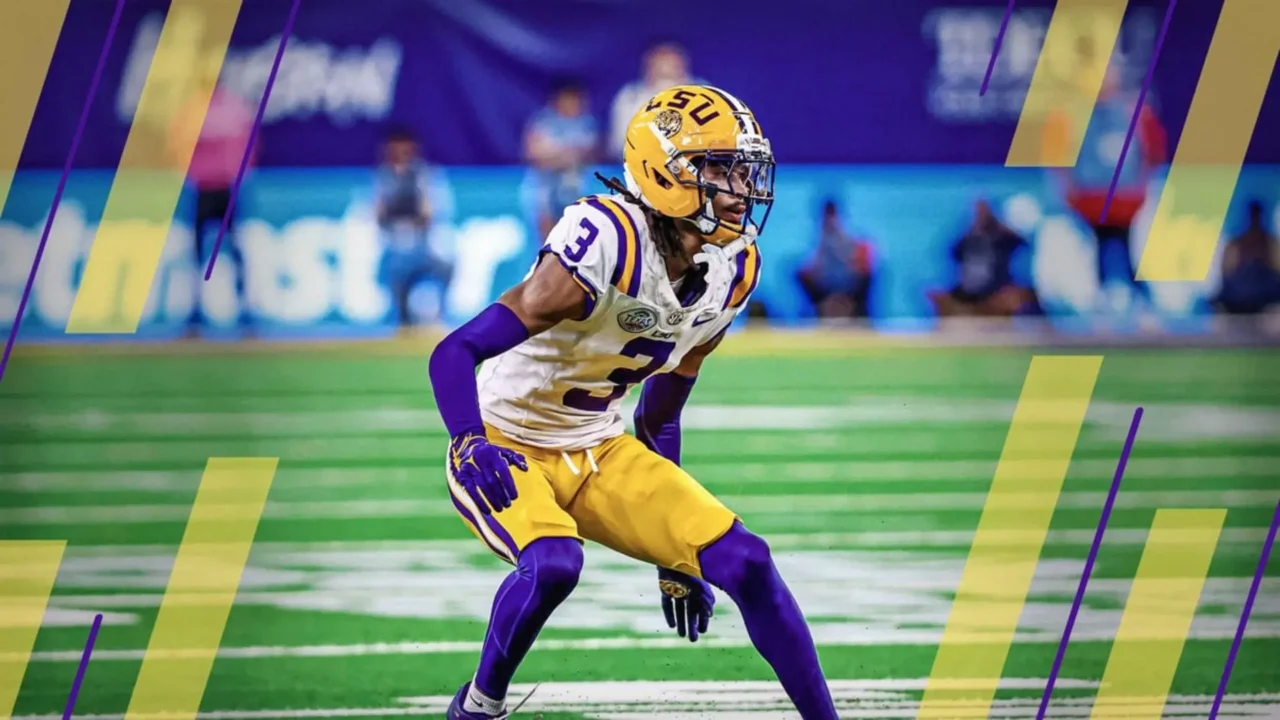
- DJ Pickett’s true-freshman season positions him to be a focal point in the secondary moving forward.
Sam Leavitt and the quarterback room
Sam Leavitt arrives at LSU with a reputation as a top-10 quarterback and clear upside in Kiffin’s offense.
He followed a season that showed regression from his earlier breakout, and the evaluation emphasizes improving fundamentals like footwork and decision-making to regain peak efficiency.
Coaching continuity and play-calling that minimizes turnovers while highlighting the receiving corps will be key to how quickly Leavitt and the offense click.
Offensive line upgrades centered on Jordan Seaton
The offensive line remains the clearest roster question despite adding Jordan Seaton from Colorado.
Seaton’s pass-blocking profile is a standout, highlighted by an 84.8 pass-blocking grade on true pass sets that positions him among the top returning tackles in that facet.
His run-blocking grade was markedly lower and the unit finished last season with one of the weakest Power Four offensive-line grades, so scheme and development must close those gaps.
Receiving corps depth and Trey’Dez Green
The receiving group provides a major reason why LSU projects as a title contender, anchored by Trey’Dez Green at tight end and reinforced by portal additions at wide receiver.
The corps is ranked highly in evaluations and Green’s status as the nation’s top-ranked tight end gives Kiffin a clear matchup weapon, with timing between quarterbacks and targets an early-season focus.
Positional evaluations and roster impact
| Subject | Evaluation finding | Roster impact |
|---|---|---|
| Jordan Seaton | 84.8 pass-blocking grade on true pass sets; top returning tackle in pass protection | Immediate upgrade at tackle for pass protection while run-game fit must be addressed |
| DJ Pickett | 78.6 grade as a true freshman with three interceptions | Poised for a larger role in the secondary and potential defensive playmaking impact |
| Receiving corps and Trey’Dez Green | No. 6 ranked receiving group with the nation’s top-ranked tight end | Strong pass-game foundation that supports an aggressive aerial attack under Kiffin |
| Offensive line (team) | Seventh-worst Power Four OL grade last season despite returning pieces | Major area to address if LSU is to sustain a national-championship-caliber offense |
SEC title and College Football Playoff implications
The Kiffin hire and transfer additions push LSU back into the SEC title conversation for 2026, but that projection is conditional on several key developments.
If Sam Leavitt reclaims top-10 form and the offensive line shows measurable improvement, LSU’s ceiling includes a conference title and a legitimate College Football Playoff bid; if not, persistent offensive-line and run-game issues would limit the Tigers inside the conference race and complicate a deep playoff push.