What caused the LSU-Ole Miss baseball crowd fight?
LSU-Ole Miss baseball crowd fight: What really happened?
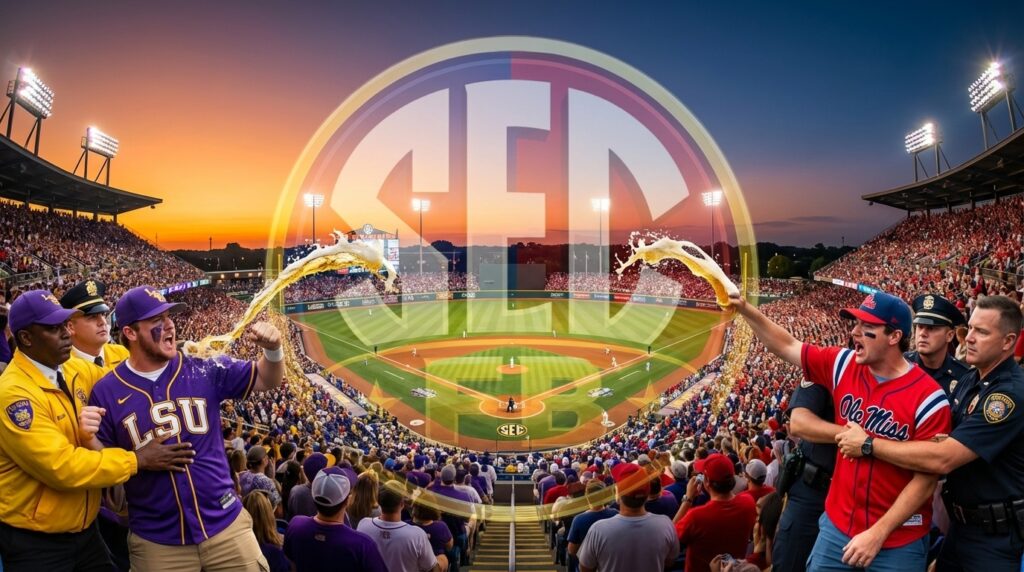
The LSU-Ole Miss baseball crowd fight erupted late in the game when an Ole Miss fan doused an LSU supporter with beer, and then chaos spilled down the stands. Video from different angles shows a flash of aggression, a swinging arm, and the wrong man taking a hit. Because the event unfolded so fast, fans shared clips across social platforms, and online sleuths stitched together a clearer timeline. As a result, the incident shifted from a barroom scuffle into a viral investigation.
Security and crowd-control questions followed immediately. Witnesses describe shoving, yelling, and one fan being hauled away in handcuffs. Meanwhile, social media users tracked clips, identified the people involved, and debated who provoked whom. However, the facts remain selective, and the police report later confirmed an LSU fan went to jail after hitting the wrong person.
This introduction previews a deeper look at the fight, the videos that exposed it, and the larger safety concerns for college baseball games. Next, we examine the clips, the timeline, and what this means for fan behavior and stadium security.
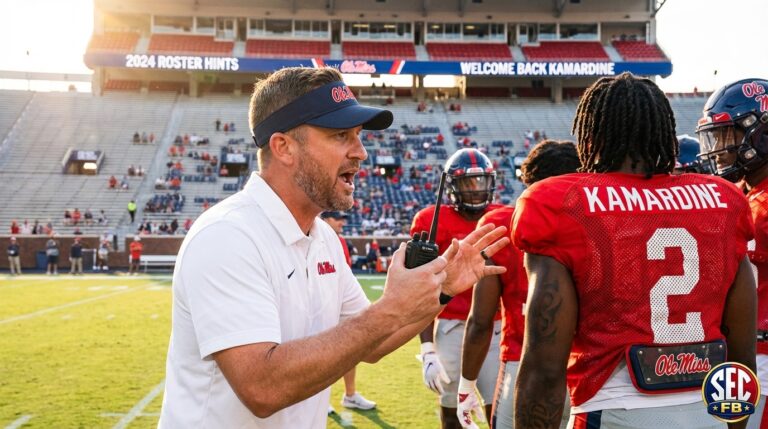
A crowded college baseball game highlighting crowd dynamics and security measures
How the online investigation pieced the fight together
The LSU-Ole Miss baseball crowd fight moved from the stands to social feeds within minutes. Fans posted short clips and longer uploads, and an online investigation began almost instantly. Because videos captured different angles, sleuths could sequence events and spot the moment a fan was doused with beer. As a result, viewers replayed the same second to judge intent and assign blame.
Twitter/X and Facebook became collection points for raw footage and eyewitness accounts. Meanwhile, users compared timestamps and camera angles to build a clearer timeline. The beer incident appears near the exit, and it triggered shouting that spilled back into nearby rows. Then an LSU fan swung, but he hit the wrong guy, which escalated the brawl and led to an arrest.
Crowd-sourced analysis also highlighted gaps in stadium security and fan policing. However, social media sleuthing has limits because clips miss context and can mislead. Therefore, investigators cross-referenced uploads with the official police report to confirm key facts. In the end, the blend of viral videos, crowd commentary, and formal records gave the public a fuller, though still imperfect, picture of what happened and who belongs to blame.
Security protocols at college baseball games: comparison table
| Team/School | Security Presence | Crowd Control Measures | Incident Response |
|---|---|---|---|
| LSU | High — campus police, local law enforcement, and contracted officers at major games. | Assigned ushers, controlled exits, visible patrols, and alcohol monitoring. | Rapid on-site law enforcement response, use of video evidence, and post-incident review. |
| Ole Miss | High — university police plus stadium security and local officers. | Staggered egress, clear signage, limited alcohol zones, and trained stewards. | On-site removal of troublemakers, arrests when necessary, and coordination with police. |
| SEC average | Elevated — most SEC schools deploy substantial security resources. | Trained stewards, surveillance cameras, alcohol policies, and crowd monitoring. | Coordinated response with local agencies and internal investigations afterwards. |
| Mid-major programs | Moderate — campus security and fewer contracted officers. | Basic steward coverage, fewer checkpoints, and limited surveillance. | On-site removal and slower law enforcement backup when needed. |
| Best practices | Proactive — layered security with clear alcohol and egress policies. | Visible staff, comprehensive surveillance, rapid communication, and staggered exits. | Use of multi-angle video, swift arrests when warranted, and transparent reviews. |
LSU-Ole Miss baseball crowd fight: crowd behavior and security analysis
This section analyzes how fan behavior and stadium protocols shaped the incident. Because the crowd reacted quickly, small provocations escalated fast. Therefore, we examine the sequence, the security response, and lessons for future games.
An Ole Miss fan doused an LSU supporter with beer near an exit, and shouting followed. Then an LSU fan swung and hit the wrong person, which led to an arrest and jail consequences. As a result, witnesses and officers described chaotic scenes that unfolded in seconds. Meanwhile, social media videos and an online investigation helped piece together the timeline.
Security presence matters, and visible staff often prevent escalation. However, alcohol, narrow egress points, and dense seating increase risk. Video evidence showed how gaps in steward coverage allowed the scuffle to spread. Therefore, coordinated patrols and proactive alcohol monitoring can reduce such incidents.
Lessons are clear and actionable. First, stadiums should tighten exit protocols and stagger egress to avoid bottlenecks. Second, trained stewards must intervene early, because stopping a shove often prevents a punch. Third, multi-angle surveillance and rapid police coordination aid follow-up investigations. Finally, with Lane Kiffin’s LSU squad returning to Oxford, MS next September, schools should review plans now to protect fans and teams. As a result, smarter security choices can lower the chance of another viral crowd fight.
Conclusion
The LSU-Ole Miss baseball crowd fight revealed how fast small provocations can spiral into arrests. Social videos and online sleuthing reconstructed the beer dousing, the mistaken hit, and the arrest. As a result, fans and officials learned who to blame, though some context still remains unclear.
Security gaps played a clear role. Narrow exits, alcohol and uneven steward coverage let the scuffle spread. Therefore, stadiums should tighten egress procedures, increase visible staff, and enforce alcohol policies. With Lane Kiffin’s LSU squad returning to Oxford next September, teams must review plans early.
Social media proved crucial for accountability because videos drove public scrutiny and aided investigators. However, platforms can mislead, so officials must combine footage with formal reports. In closing, safety must come first. For more coverage visit SECFB.com and follow @ZachGatsby on Twitter/X.
Frequently Asked Questions (FAQs)
What happened at the LSU-Ole Miss baseball crowd fight?
A scuffle broke out late in the game after an Ole Miss fan doused an LSU supporter with beer. The LSU fan then struck someone, but he hit the wrong person. As a result, police arrested the LSU fan and he faced jail consequences. The incident spread quickly online via videos and fan posts.
How was the incident investigated online?
Fans uploaded clips from different angles to Twitter/X and Facebook. Investigators and armchair sleuths compared timestamps and camera views. Therefore, an online investigation reconstructed the timeline. However, officials still relied on the police report to confirm facts.
How did stadium security respond?
Stadium staff and law enforcement intervened on site and removed troublemakers. Then officers made an arrest when the situation escalated. Security reviews followed, and schools examined steward coverage and alcohol policies.
Were there legal consequences?
Yes. The LSU fan who swung faced arrest and jail time. Court outcomes may follow, and charges depend on local prosecutors and the official report.
What precautions can prevent similar crowd fights?
Improve alcohol monitoring, stagger exits, and add visible stewards. Use multi-angle surveillance and rapid police coordination. Finally, fans must act responsibly because social media often holds parties accountable.