Missouri transfer portal defense and season wrap-up
Missouri transfer portal defense and season wrap-up arrives at a decisive moment for the Tigers. This analysis examines transfer portal upgrades, defensive identity, and the lingering roster questions facing Missouri. After a busy spring of additions, the Tigers look longer and more physical in the frontcourt. However, perimeter shooting and primary playmaking remain unresolved, which could limit offensive upside.
Kennard Davis Jr. and Bryson Tiller headline the defensive upgrades by bringing length, physicality, and on-ball contact. In particular, Davis’s pick-and-roll defense and limited points per possession against drives matter for late-game stops. Meanwhile, Jaylen Carey’s offensive rebounding and playmaking reshape short-roll and high-low actions. Therefore, the season wrap-up balances praise for improved defense with caution about shooting and assist creation.
Read on for a concise breakdown of transfers, defensive metrics, and what to expect next from Dennis Gates’ group. Expect close games and defensive stands.
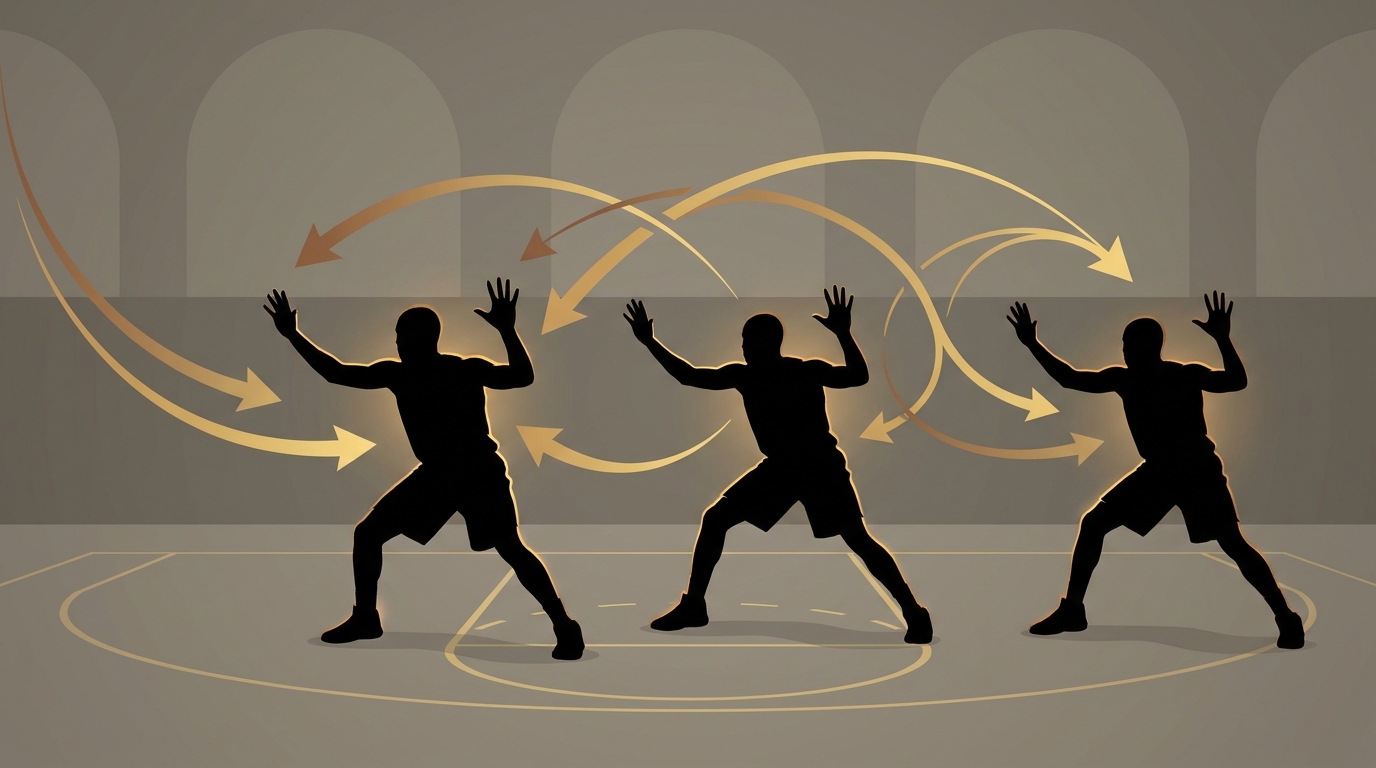
Missouri transfer portal defense and season wrap-up: Defensive upgrades
Missouri leaned into defense during the transfer portal period. The Tigers added length and toughness to their lineup. Therefore, the coaching staff prioritized players who can guard multiple spots and defend the paint.
Key defensive additions and measurable impact
- Kennard Davis Jr. offers point-of-attack resistance. Across 75 high pick-and-roll possessions, he allowed 0.722 points per possession and held opponents to about 33 percent shooting in those looks. He also converted just 3-of-16 on pull-up threes, which limited scoring off roll-and-pop actions.
- Bryson Tiller brings switchability and perimeter discipline. He surrendered roughly 0.726 points per possession on drives from spot-ups and isolation situations. As a result, he helps close lanes and contest finishing attempts.
- Jaylen Carey adds frontcourt length and rebound presence. Carey ranks among the top 10 nationally in offensive rebound rate and posts a 13.1 assist rate as a frontcourt playmaker. Consequently, he changes the spacing and boosts second-chance defense-to-offense transitions.
How the pieces fit together
Missouri’s roster now emphasizes physicality and rim protection, which should lower opponent scoring at the basket. However, the backcourt still needs steady ball-handling and more assist creation to maximize defensive stops. Moreover, guards must convert turnovers into quick points, because offensive efficiency slipped last season by 7.7 percent.
In short, the transfer portal helped reshape a defense-first identity. Yet Missouri still needs perimeter shooting and a veteran ball-handler to balance the upgrade.
Defensive stat comparison: Missouri transfer portal defense and season wrap-up
Below is a concise table comparing Missouri’s key transfer-player defensive metrics with SEC role benchmarks. The table highlights where the Tigers gained immediate edges.
| Metric | Missouri transfer additions | SEC average (role benchmark) | Why it matters |
|---|---|---|---|
| Points allowed per possession — high pick-and-roll/drives | Kennard Davis Jr.: 0.722 PPP (75 possessions); Bryson Tiller: 0.726 PPP | ~0.80 PPP (approximate conference average) | Lower PPP limits opponent scoring on primary actions |
| Shooting percentage allowed — high pick-and-roll / pull-ups | Davis: 33% allowed in PnR; 3-of-16 (19%) on pull-up threes | ~40–42% | Fewer makes reduces opponent efficiency |
| Pull-up three rate/conversion after PnR | Davis: 3-of-16 pull-ups | SEC benchmark: ~30% conversion | Limits quick scoring from perimeter |
| Offensive rebound rate (frontcourt) | Jaylen Carey: top-10 national ORR; adds second-chance control | SEC frontcourt average: mid single digits (approx.) | Improves possession control and transition defense |
Missouri shows clear strengths in point-of-attack defense and limiting PnR scoring. Therefore, these upgrades should help lower opponent efficiency.
Missouri transfer portal defense and season wrap-up: Roster questions and challenges
Missouri improved its defensive foundation in the transfer portal, but important roster questions linger. The Tigers still face shooting questions and limited playmaking. Therefore, the team must address how to turn stops into consistent offense. Most critically, Missouri returns just 9.6 percent of last season’s assists, which is the lowest rate in at least five seasons. As a result, the backcourt will need new creators to fuel ball movement and open perimeter shots.
Shooting remains uneven. Catch and shoot attempts and pull-ups declined last season, which reduced offensive efficiency by 7.7 percent. Moreover, the current roster emphasizes length and physicality, but perimeter spacing can suffer without more reliable shooters. Consequently, defenses may pack the paint and contest interior actions.
Playmaking is another concern. Young guards will need time to lead. Therefore, an experienced ball handler could ease pressure and create better assist opportunities. A veteran option, such as a waiver scenario for Rob Martin, would be impactful because he can stabilize tempo and finish at the rim.
Key roster challenges and practical solutions
- Low returning assists percentage 9.6 percent means less continuity in playmaking. Solution move: pursue a veteran guard or graduate transfer to run the offense.
- Shooting questions from the perimeter harm spacing. Solution move: add a 3 and D wing or prioritize shooting in practice and player development.
- Backcourt inexperience risks turnovers in pressure. Solution move: increase ball screen reps and add situational guards for late game management.
In short, Missouri reinforced defense through the portal. However, the Tigers still require shooters and a steady playmaker to convert defensive gains into consistent wins.
Missouri transfer portal defense and season wrap-up: Conclusion
Missouri transfer portal defense and season wrap-up leaves the Tigers with a clearer identity. The portal work added length and defensive toughness. However, those upgrades do not erase the offensive questions that remain.
The additions of Kennard Davis Jr. and Bryson Tiller should lower opponent scoring at the point of attack. Davis allowed about 0.722 points per possession in high pick-and-rolls. Tiller surrendered roughly 0.726 points per possession on drives. Therefore, Missouri projects to play faster off stops and to win more halfcourt battles.
Still, shooting and playmaking lag behind. Missouri returns just 9.6 percent of last season’s assists, which hampers continuity. As a result, the staff may seek a veteran guard or waiver addition such as Rob Martin to organize the offense. Meanwhile, developing perimeter shooting remains essential to space the floor.
Final takeaways
- Defense-first roster upgrade improves rim protection and PnR defense.
- Backcourt assist rate and shooting require veteran leadership and development.
- Adding a 3-and-D wing or experienced ball handler would balance the team.
For continued SEC coverage and context, see SECFB LLC and follow their Twitter/X feed at updates.
Frequently Asked Questions
Who are the key transfer players affecting Missouri’s defense?
Kennard Davis Jr. and Bryson Tiller are the headline additions. Davis strengthens point-of-attack defense and limits pick-and-roll scoring. Tiller adds switchability and perimeter containment. Jaylen Carey boosts frontcourt length and offensive rebounding, which helps defensive transition.
How much do the portal additions improve Missouri’s defensive impact?
The new pieces lower scoring on primary actions. Davis allowed about 0.722 points per possession in high PnR looks. Tiller gave up roughly 0.726 PPP on drives. Therefore, the Tigers should be tougher around the rim and better at contesting pick-and-rolls.
What roster challenges still worry coaches and fans?
Shooting and playmaking remain the biggest concerns. MU returns just 9.6 percent of last season’s assists, so ball movement lacks continuity. As a result, perimeter spacing can suffer and the offense may stall against packed defenses.
Will Missouri pursue veteran guard help?
Yes, the staff may target a veteran ball-handler. A waiver or graduate transfer like Rob Martin would stabilize tempo and boost assist rate. Meanwhile, internal development and a possible 3-and-D addition could ease pressure.
What should fans expect next season?
Expect a defense-first team that wins through length and physicality. However, consistent wins hinge on adding reliable shooters and a steady playmaker. If Missouri solves those areas, the ceiling rises quickly.