Which NCAA eligibility and EA Sports cover winners emerge?
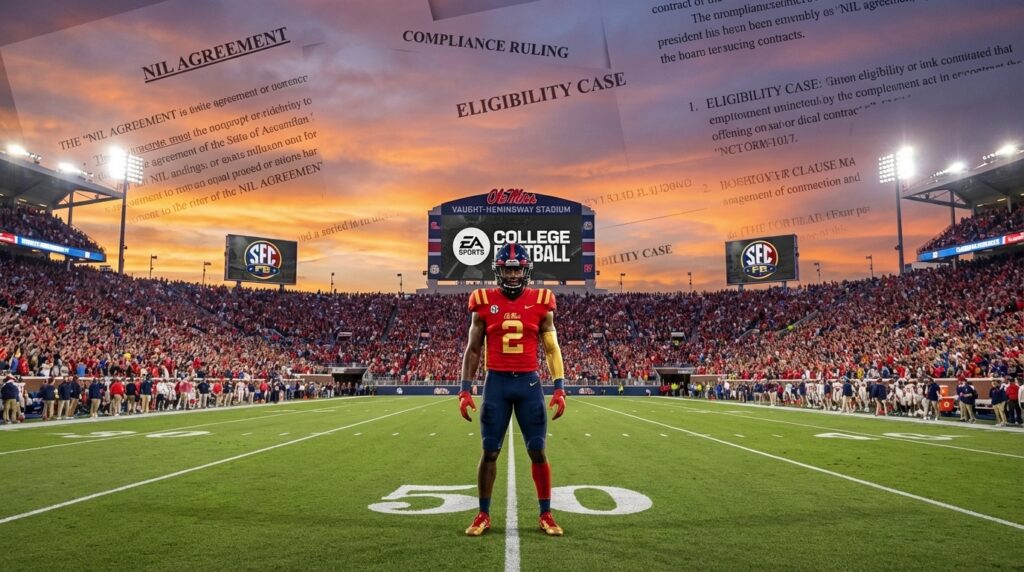
NCAA eligibility and EA Sports cover debates have become a high stakes fight for players like Trinidad Chambliss. Chambliss sits at the center of this dispute, and his career, brand, and livelihood hang in the balance. Because a Mississippi judge granted him a sixth season, the NCAA moved to appeal and uncertainty followed.
As a result, companies weighing player appearances reacted quickly, and EA Sports reportedly backed away. However, Chambliss argues that the move cost him potential NIL compensation and essential exposure. Appearing on the cover would have boosted his marketability and cemented his public brand. Thus this story matters beyond one player, because eligibility rulings shape who gets opportunities and who loses income.
This article examines the legal maneuvers, NIL implications, and broader fairness questions at play. We will analyze court filings, corporate responses, and the human cost for Chambliss in clear terms. Because fairness matters, readers should understand how rules and reputation combine to shape a young athlete’s future.
NCAA eligibility and EA Sports cover: the facts and fallout
Trinidad Chambliss’ eligibility fight began with a medical hardship claim tied to his time at Ferris State. A Mississippi judge recently granted him a sixth season, and the NCAA promptly sought review. Because the NCAA questioned documentation, uncertainty followed. As a result, Chambliss’ path to another college season became legally fragile.
Chambliss said he was one of three finalists to appear on the EA Sports College Football cover. However, EA Sports texted him that it “just can’t stomach the risk” of him not suiting up this fall. Photoshoots for previous covers happened in early March, and Chambliss missed that exposure window. Therefore he claims lost NIL compensation and damage to his brand.
The legal and commercial consequences are concrete. Chambliss argued he could lose millions if forced into the NFL Draft instead of playing a sixth year. He also filed for damages, seeking lost NIL money and harm to marketability. Moreover, he told courts that appearing on the cover would have produced organic publicity and strengthened his publicity rights.
Beyond Chambliss, this clash shows how eligibility rulings affect recruitment, endorsements, and player branding. The NCAA has asked the Mississippi Supreme Court to review the judge’s ruling, which keeps the dispute open. For context, readers can see reporting on the situation at SECFB and on similar eligibility fallout here: SECFB.
Companies also face reputational risk when they back athletes amid legal uncertainty. For background on governing rules, see the NCAA site and for corporate context visit EA’s site. As a result of these moves, Chambliss says the video game company’s action was a product of the NCAA’s bad-faith actions and its “continued opposition to Trinidad’s eligibility.”
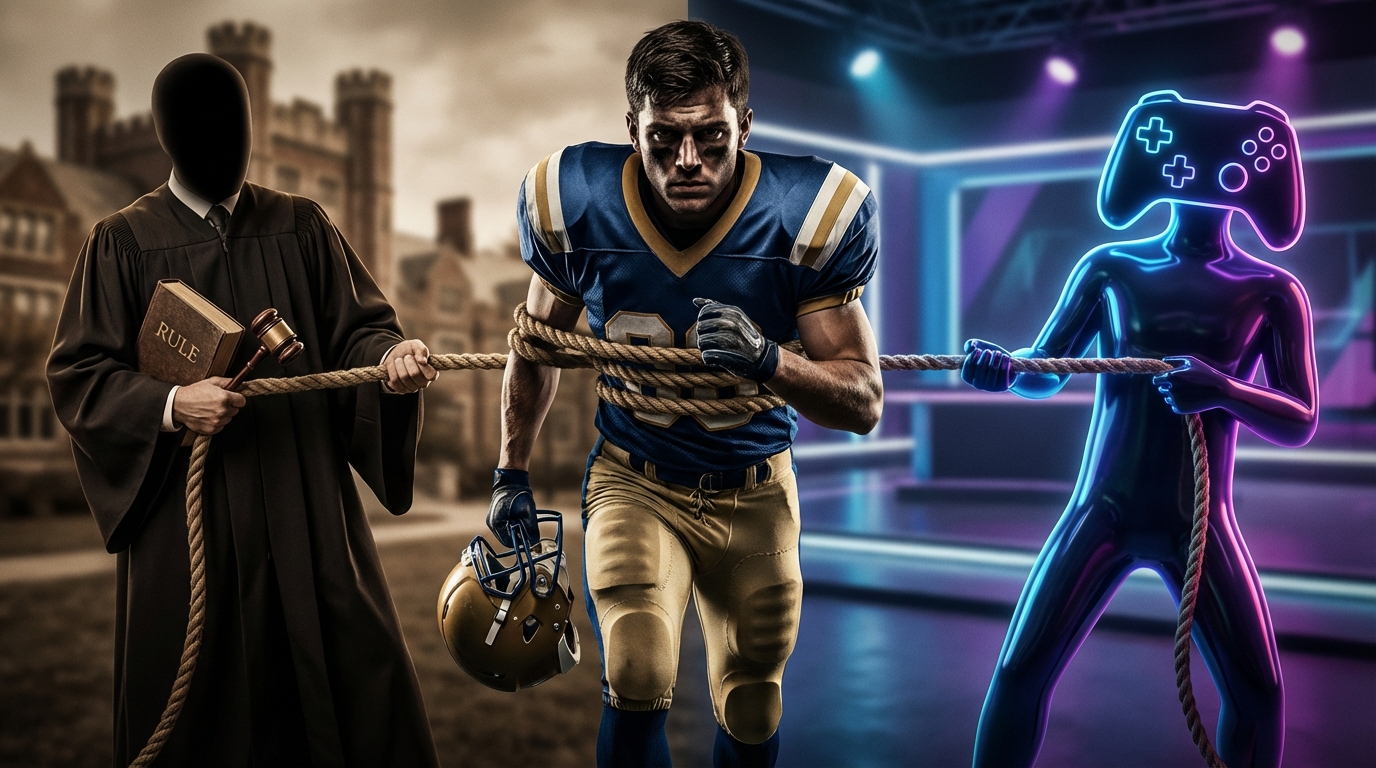
NCAA eligibility and EA Sports cover rulings at a glance
| Ruling date | Court | Outcome | Effect on player eligibility | Impact on brand marketability | Effect on NIL potential |
|---|---|---|---|---|---|
| Feb 2026 | Mississippi Circuit Court | Judge granted Chambliss a sixth season of eligibility | Restores one year of play but leaves appeal risk | Boost if allowed to play however uncertainty remains | Preserves chance to earn more NIL however immediate deals paused |
| Mar 2026 | Mississippi Supreme Court petition pending | NCAA filed to review lower ruling | Keeps eligibility status in limbo until the court decides | Causes sponsors to hesitate and delay commitments | Causes lost or delayed NIL revenue and frozen deals |
| Earlier medical hardship at Ferris State | Administrative and judicial reviews | Medical hardship credited by judge; NCAA cited lack of school documentation | Served as legal basis for extra year but remains contested | Raises questions about record keeping which can harm reputation | Reduces certainty for brands and can reduce NIL offers |
| Past comparable rulings | Various appellate courts | Mixed outcomes depending on facts and proof | Demonstrates that outcomes vary widely by jurisdiction | Often results in sponsorship freezes and cautious brand approaches | Frequently triggers measurable NIL losses for affected athletes |
NCAA eligibility ruling
Off-field eligibility decisions now shape more than playing time. They directly affect NIL compensation and long-term careers. For example, Trinidad Chambliss saw immediate commercial fallout after a judge granted him a sixth season. However, the NCAA’s appeal created uncertainty that brands do not like.
Chambliss says he lost key opportunities. He claims he was one of three finalists for an EA Sports cover. Yet EA Sports texted that it “just can’t stomach the risk” of him not playing. As a result, photoshoots and related publicity did not happen. In his filings, Chambliss seeks damages for “lost NIL money plus damages to his brand and marketability.”
The ripple effects reach beyond one player. Because sponsors and licensors demand certainty, deals pause or evaporate. Therefore athletes face frozen endorsements and stalled marketing campaigns. Brands may instead pick safer choices, which reduces elite prospects’ marketability.
NIL compensation now depends on documented eligibility as much as performance. Consequently, schools must maintain better records, and governing bodies should clarify standards. Otherwise, players remain vulnerable to administrative gaps. For athletes like Chambliss, the consequence can be millions in lost revenue and diminished draft leverage.
In short, off-field rulings create economic winners and losers. They shift bargaining power away from players. Thus reform and clearer processes would protect athletes’ rights and financial futures.
Eligibility battles like Trinidad Chambliss’ case show how legal rulings intersect with corporate decisions. Because courts decide who can play, companies then weigh reputational and financial risk. As a result, athletes lose access to high-profile exposure and lucrative deals when eligibility remains uncertain.
Chambliss’ situation is a clear example. He says he missed an EA Sports cover opportunity and seeks damages for lost NIL money plus damages to his brand and marketability. However, the NCAA’s appeal left sponsors hesitant. Therefore Chambliss and similar players face immediate financial harm and long-term branding setbacks.
This conflict reveals systemic gaps. Schools must document medical and eligibility records better, and governing bodies should clarify review standards. Otherwise athletes will remain vulnerable to administrative disputes that cost them income and visibility.
In short, eligibility rulings produce consequences far beyond the field. They affect draft timing, endorsement value, and a player’s public narrative. For more reporting and analysis on these topics, visit SECFB and follow updates on X.
Frequently Asked Questions (FAQs)
What is the NCAA eligibility and EA Sports cover issue?
The dispute centers on whether a player retains college eligibility and how companies respond. In Trinidad Chambliss’ case a Mississippi judge granted a sixth season, but the NCAA appealed. Because EA Sports feared he might not play, it reportedly withdrew. As a result Chambliss lost exposure and potential EA cover benefits. That decision cut off photo opportunities and related publicity, and sponsorship talks.
How do eligibility rulings affect player opportunities?
Rulings determine who can play, which affects draft timing and endorsements. Therefore uncertainty often leads brands to pause deals. For athletes, that means reduced visibility and delayed income.
Can players recoup lost NIL compensation?
Sometimes they can sue for damages, and Chambliss seeks “lost NIL money plus damages to his brand and marketability.” However litigation takes time, and outcomes vary. Thus recovery is uncertain and costly.
What should schools and governing bodies do?
They should improve documentation and speed reviews. Better records would reduce disputes over medical hardships. As a result players would face fewer frozen deals and clearer marketability.
How can players protect their branding during disputes?
Athletes can diversify income, document communications, and build direct fan channels. For example social media and personal endorsements can preserve some NIL value. Meanwhile legal counsel can help preserve rights and pursue remedies.