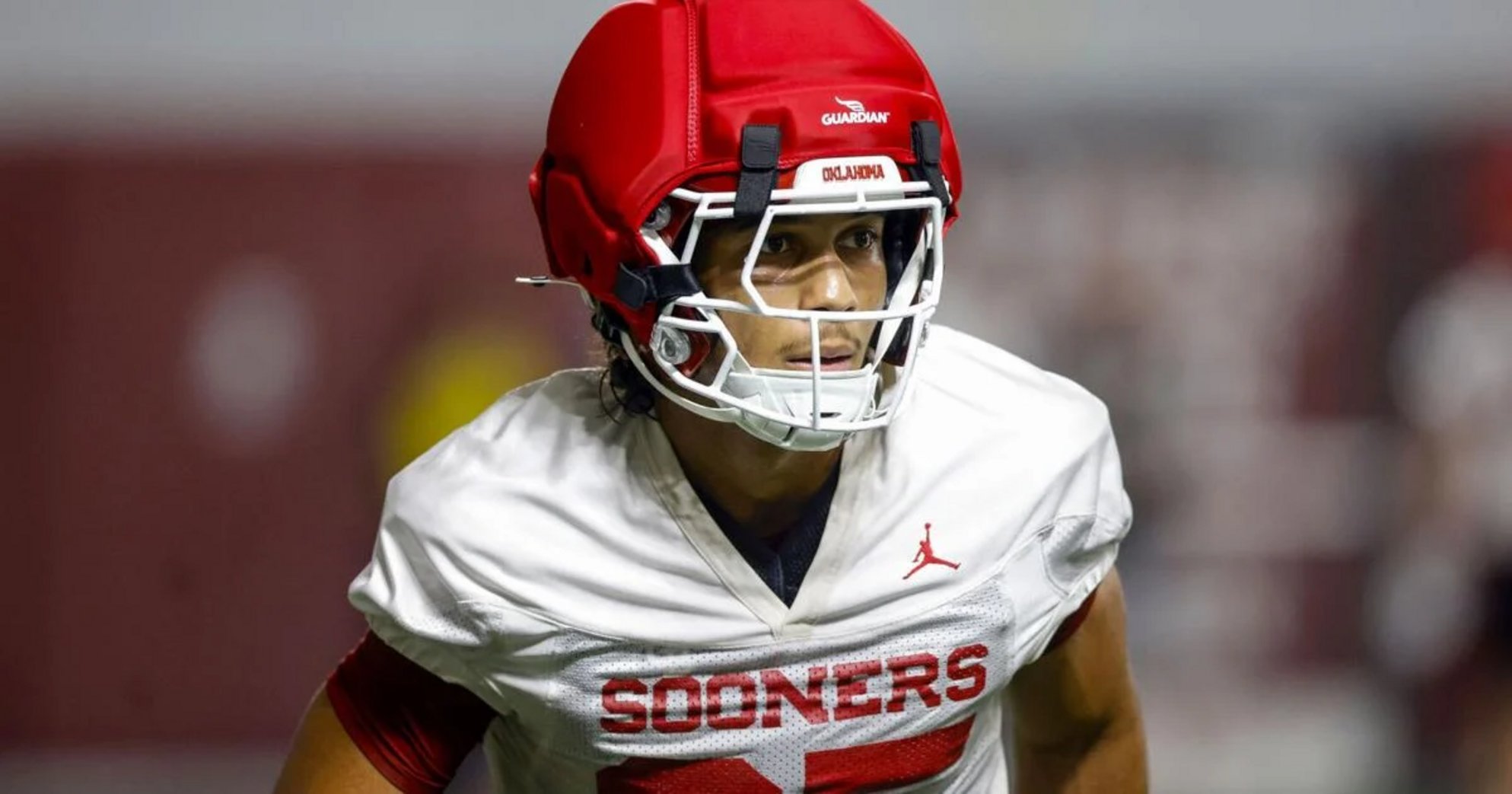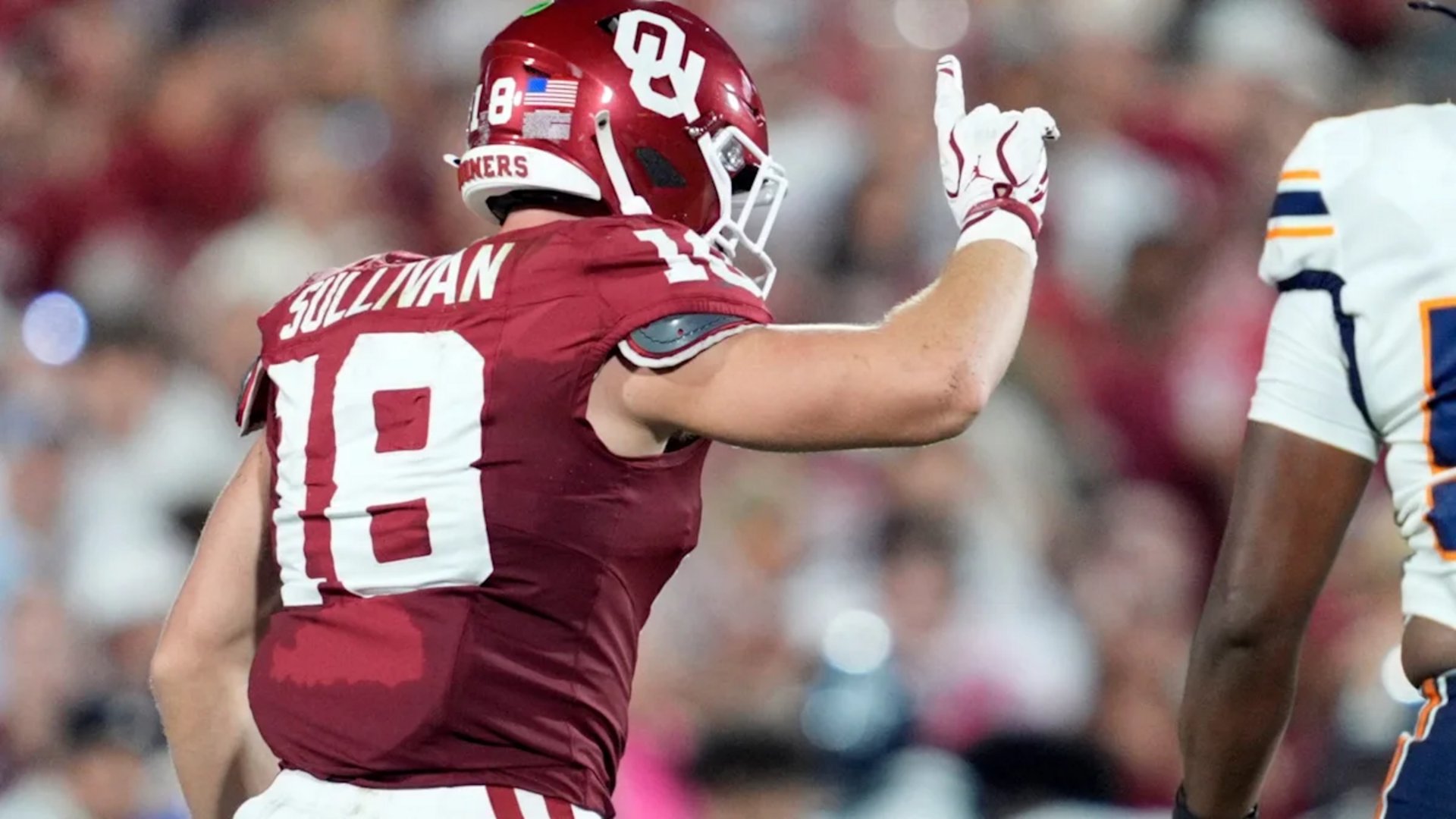
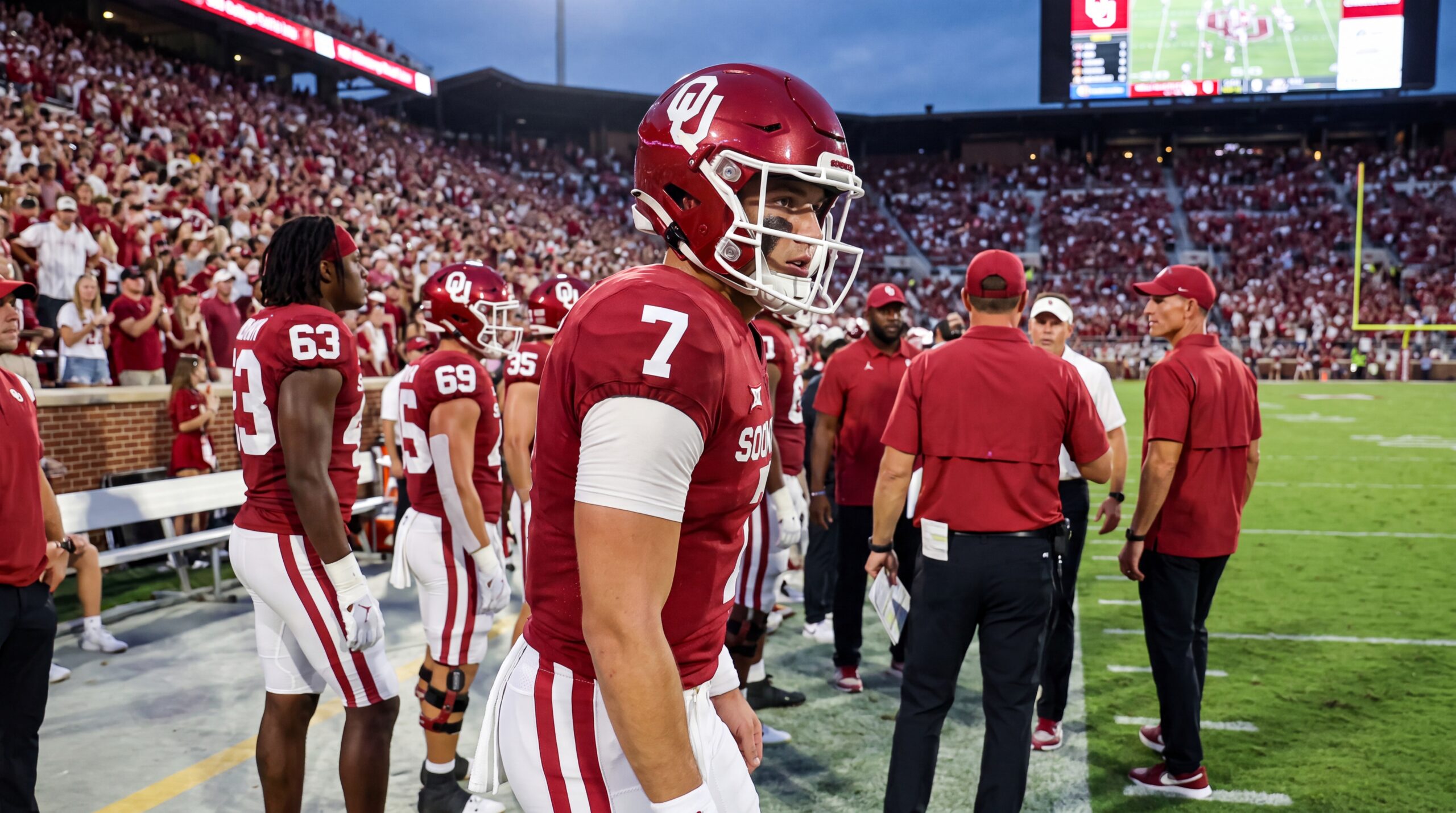
The Oklahoma second season in the SEC arrived as more than a transitional headline — it read like a statement. Reporting by Ryan Chapman at thefranchiseok.com documents on-field competitiveness and institutional messaging that the athletic department described as a “pair of national titles.” Chapman’s coverage, and a longer Sports Illustrated piece cited in that reporting, frame Year 2 as a period when Oklahoma began converting conference anxiety into tangible momentum.
Oklahoma second season in the SEC: quick snapshot
Per Ryan Chapman’s reporting on thefranchiseok.com, the short version is simple: Oklahoma showed it belonged. Chapman notes a string of competitive outings in hostile SEC environments and describes how athletic-department messaging emphasized multi-sport success while the program settled into the league’s week-to-week grind.
That snapshot matters for fans and evaluators. Chapman’s piece frames Year 2 as a season in which the Sooners avoided the dramatic drop-offs some programs experience after a conference move and instead posted enough competitive performances to argue they can routinely contend inside the SEC. The longer Sports Illustrated feature cited in that coverage provides additional contextual reporting and player-level detail about the transition.
How Brent Venables proved competitiveness
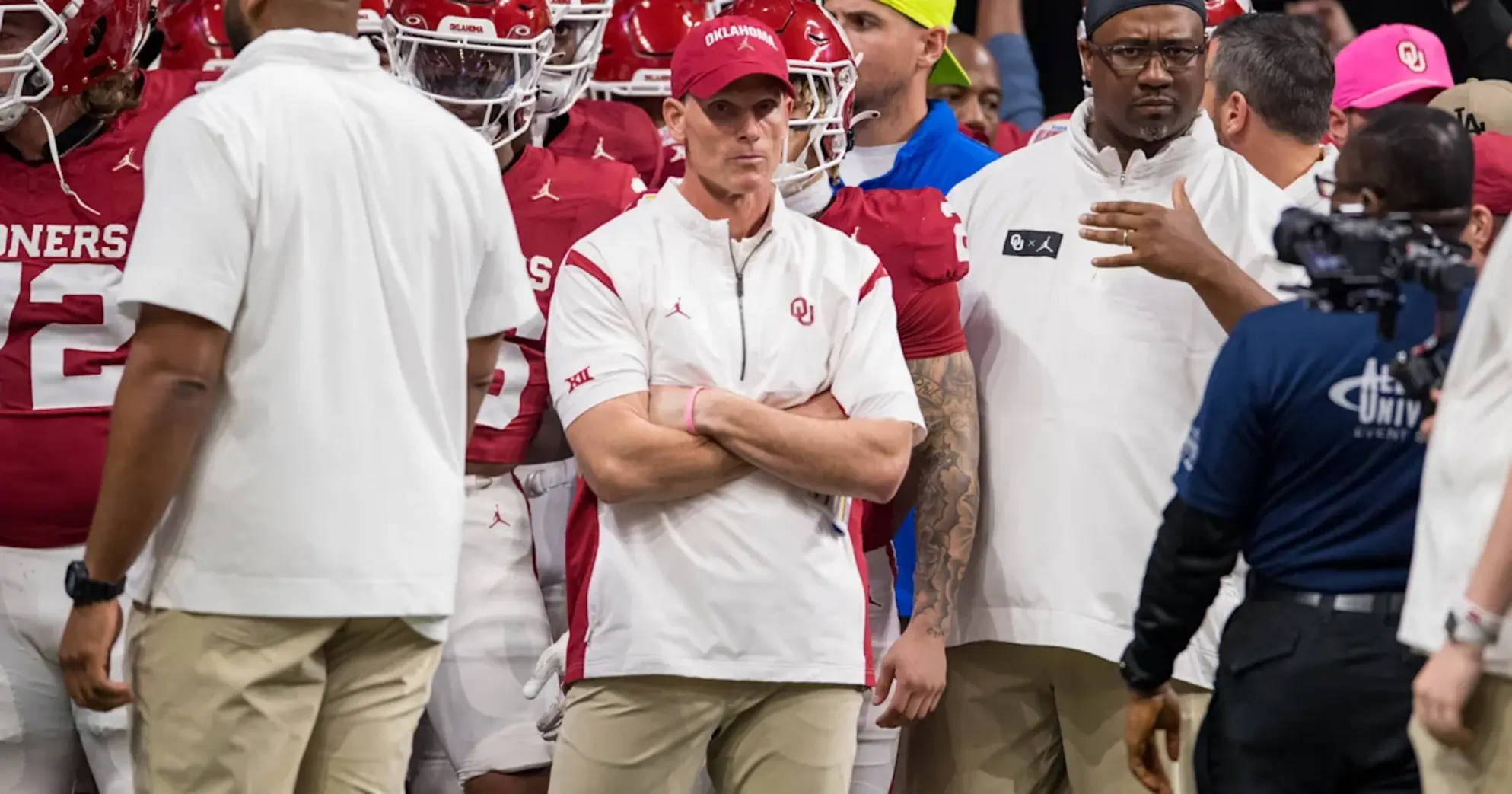
Chapman highlights Brent Venables as a central figure in Year 2’s narrative, attributing much of the on-field steadiness to his leadership and game-preparation approach. According to thefranchiseok.com coverage, Venables’ teams repeatedly held up in environments that test visiting programs’ composure and preparation — experiences coaches and analysts point to as the truest gauges of SEC readiness.
The reporting emphasizes that this competitiveness wasn’t about one isolated upset but about consistent performance in tight games and hostile venues. Chapman reports examples of late-game resilience and play-calling that limited prolonged collapses, and the SI long read expands on roster adjustments and coaching emphasis that underpinned those performances.
Those accounts stop short of declaring a full program transformation, which the coverage notes would require sustained results over multiple seasons. Instead, both Chapman and the SI piece present Year 2 as a meaningful step: a staff-and-player group that repeatedly demonstrated the ability to prepare for, and compete in, amplified SEC atmospheres.
Field competitiveness and recruiting implications
Field competitiveness in Year 2 has immediate and medium-term recruiting implications. Chapman reports that the Sooners’ ability to compete in difficult SEC venues gives coaches concrete talking points on the trail: proof to prospects that Oklahoma will provide frequent exposure to high-pressure crowds, a key selling point for players aiming to test themselves at the highest college level.
From a recruiting standpoint, program messaging and game-day performance operate together. Thefranchiseok.com coverage documents how athletic-department communications about institutional success — including the headline “pair of national titles” — create a perception of broad program health that can appeal to recruits who value winning culture and institutional resources. The SI feature referenced by Chapman offers additional context about how recruits and their evaluators view conference stability and the perceived path to postseason visibility.
That said, Chapman and the SI piece both caution that recruiting gains are cumulative. A single season of competitive showings and departmental messaging improves pitch materials, but top targets and transfer-market decisions will hinge on continued on-field consistency, clarity around which sports are delivering championships, and the program’s ability to sustain SEC-level success over multiple recruiting cycles.
Two national titles and what the athletic department said
The athletic department’s public messaging used the phrase a “pair of national titles” during Year 2, and Chapman quotes that departmental framing in his reporting on thefranchiseok.com. Importantly, Chapman’s piece — and the linked SI long read — both note that the department’s statements did not enumerate the specific teams, sports, seasons, or divisions behind that phrasing in the context of the SEC transition story.
That distinction matters. As Chapman frames it, the department’s language signals institutional breadth of success and is useful for shaping booster and recruit perceptions; however, because the coverage does not independently list the exact teams or championship timing, readers should treat the ‘‘pair of national titles’’ as department-reported messaging rather than a fully detailed, independently verified claim within the same articles.
In practical terms, the athletic department’s celebration of multiple championships in the same athletic cycle or academic year is a positive communications outcome. But Chapman’s reporting makes clear that fans and analysts looking for granular confirmation should await official enumeration from university athletics releases or follow-up reporting that lists the precise teams and championship dates.
Outlook
Taken together, thefranchiseok.com reporting by Ryan Chapman and the longer SI coverage present Oklahoma’s second SEC season as an encouraging early success: visible competitiveness under Brent Venables on the field, and optimistic institutional messaging off it. Chapman’s framing stresses tangible progress while also acknowledging legitimate gaps in the public record about the specifics of the celebrated championships.
For fans, the reasonable takeaway is cautious optimism. Year 2 produced credible evidence that the Sooners can contend in tough SEC environments and that athletic-department messaging is shaping a winning, multi-sport narrative. For the program to translate Year 2 momentum into durable SEC standing, Chapman’s reporting suggests Oklahoma will need consistent conference wins, clear public confirmation about which teams produced the cited titles, and continued recruiting traction built on repeated performance in the league’s biggest venues.
Source and further reading
Reporting cited: Ryan Chapman, thefranchiseok.com. Read the original piece: Oklahoma’s Second Year in the SEC Brought Two National Titles and Many Fond Memories (thefranchiseok.com).
Longer Sports Illustrated coverage (linked by Chapman): Sports Illustrated long read (SI.com).
Note: Claims about a “pair of national titles” are drawn from athletic-department messaging quoted in Chapman’s reporting; Chapman and the linked SI feature do not enumerate the specific teams, sports, or dates tied to that phrase within those articles.