What explains Ole Miss turnovers cost loss to Vanderbilt?
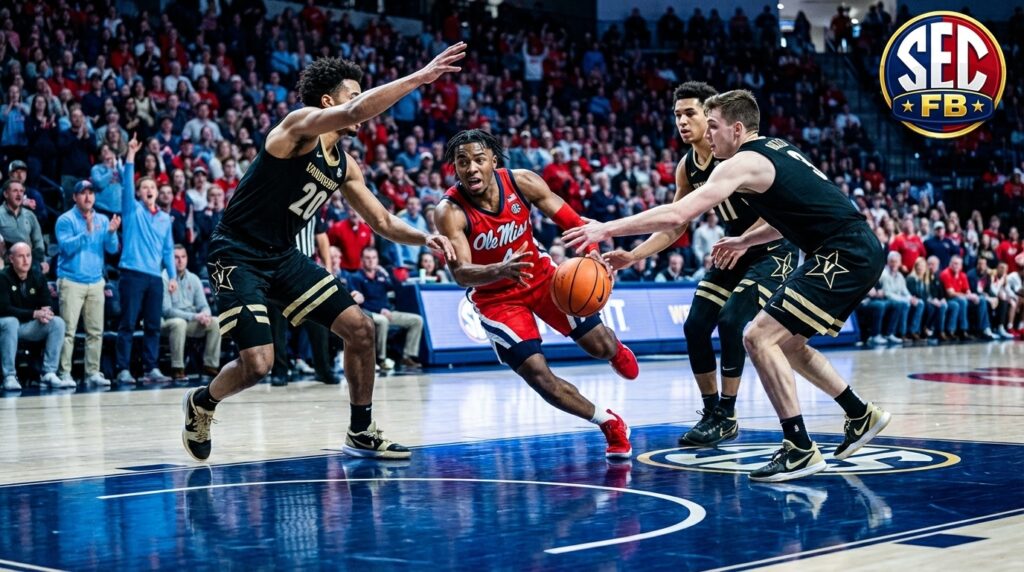
Ole Miss turnovers cost loss to Vanderbilt
Ole Miss turnovers cost loss to Vanderbilt in overtime and they reveal a deeper problem for the Ole Miss Rebels. The 89-86 finish masked how 17 turnovers shifted momentum. As a result, the Rebels fell further into a 12-18 slump that demands answers. However, this loss is more than a lone bad night at the ball.
Because turnovers and poor ball security kept Vanderbilt Commodores alive, we must examine coaching choices. Coach Chris Beard’s rotations and late game decisions mattered, and they will be discussed later. Moreover, the game exposed roster depth issues and inconsistent defensive disruption. Therefore, this analysis will assign responsibility fairly, while remaining critical of execution.
Ole Miss usually averages near 10 turnovers per game, so 17 stands out. This season the SEC has seen high pressure defenses, and Vanderbilt capitalized. Also, a late flagrant foul and small rotation mistakes compounded the problem. Ultimately, turnovers cost rhythm, confidence and a winnable game in Nashville.
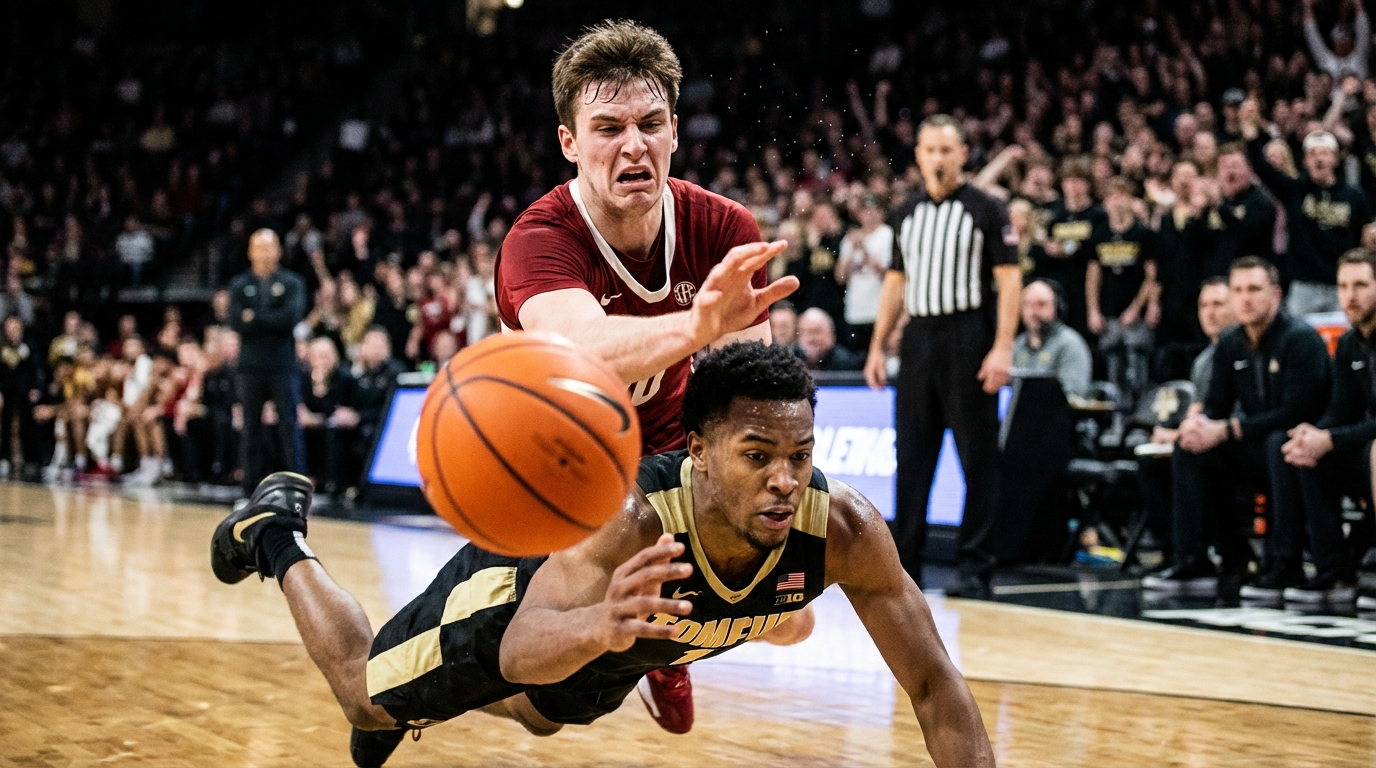
How Ole Miss turnovers cost loss to Vanderbilt
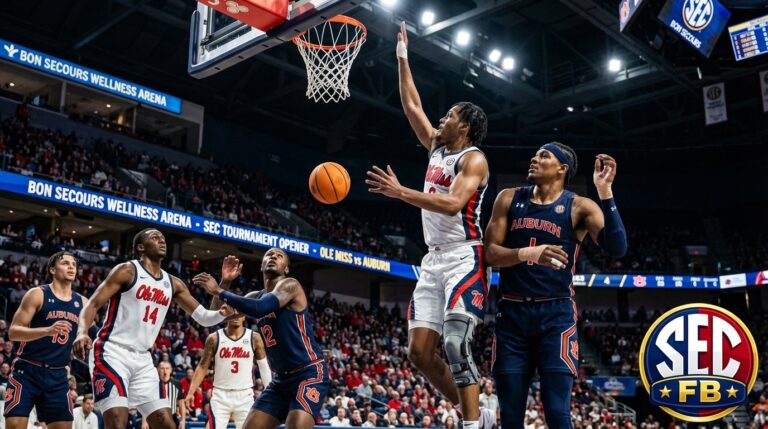
Turnovers decided the overtime result more than free throws or a single call. Ole Miss coughed up the ball 17 times, and that number sabotaged their rhythm. As a result, Vanderbilt converted those mistakes into extra shots and second chance points. Therefore, the final 89-86 score understates how much possession swings mattered.
Key stats and immediate impacts
- Ole Miss turnovers 17 versus Vanderbilt forced 9
- Final score 89-86 in overtime, showing a razor thin margin
- Ole Miss entered a 12-18 slump after the loss, deepening concerns
- Season context: Ole Miss usually averages about 10 turnovers per game
- SEC context: teams in the conference force high turnover rates, averaging near 15.2 in aggressive schemes
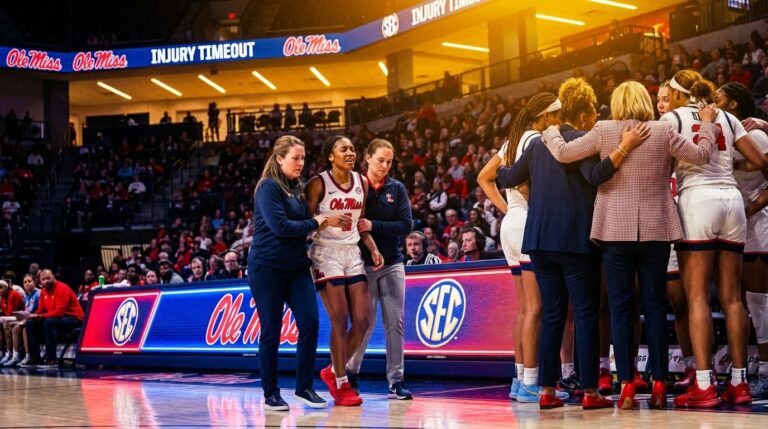
Because Ole Miss committed seven more turnovers than their norm, they lost roughly that many scoring opportunities. Moreover, each turnover ended a chance to build momentum or run a set play. Vanderbilt’s pressure turned carelessness into transition points. Consequently, Ole Miss faced constant catch-up stretches. The Rebels also saw lineup disruptions because coach substitutions tried to stop the bleeding. However, those rotation changes sometimes worsened communication and led to more mistakes.
In short, turnovers cost Ole Miss possession control, game flow and ultimately the win. Going forward, ball security and clearer rotation decisions must improve. Otherwise, this trend will keep the Rebels mired in the SEC hole.
Comparing numbers: Ole Miss turnovers cost loss to Vanderbilt
| Metric | Ole Miss | SEC context | Auburn |
|---|---|---|---|
| Average turnovers committed per game (season) | 10 | Conference trend: SEC teams apply heavy pressure and force extra turnovers | — |
| Turnovers forced per game (season) | 15.2 (Ole Miss, ranked 2nd in conference) | SEC leaders cluster near the mid 15s in forced turnovers per game | 15.8 (Auburn, conference leader) |
| Turnovers in Vanderbilt game | 17 committed | Vanderbilt forced 9 turnovers in the game | — |
Caption: This table summarizes Ole Miss season averages and the Vanderbilt game numbers. It shows why turnovers mattered. Because Ole Miss commits more turnovers than normal in that game, Vanderbilt gained extra possessions and momentum. Therefore, the numbers support the analysis that turnovers cost the Rebels the overtime loss.
Coach, rotations and blame: Ole Miss turnovers cost loss to Vanderbilt
Chris Beard addressed the turnovers bluntly after the game. He said, “We had 17 turnovers tonight. We’re one of the best teams in the country through a season that’s had a lot of storms. The one thing you can say is we’re pretty good about protecting the ball. You know, I don’t know what the exact number is right now, but we seem to be around 10 a game.” His tone mixed confidence with clear frustration.
However, the coach also noted the uncontrollable factors. As he added, “We can’t control some of these calls and things like that. No problem. Nobody can. But tonight, 17 turnovers against an NCAA tournament team. You know, that’s ultimately what cost us the game. So, no excuses.” Those remarks shifted attention back to execution and decision making.
Rotations and substitution patterns deserve scrutiny. Frequent early substitutions broke offensive continuity. Consequently, players struggled to develop rhythm. Moreover, late game rotation choices changed matchups at the worst times.
Key coaching and rotation takeaways
- Substitution timing interrupted ball handlers and play calls at key moments
- Bench minutes increased communication errors and led to avoidable turnovers
- Late rotation adjustments aimed to stop pressure but sometimes created mismatches
- Coaching challenge: balance veteran minutes with bench energy without losing cohesion
Assigning blame must be fair but firm. Players must accept responsibility for careless errors. At the same time, coaching must address patterns that invite turnovers. For example, predictable inbound plays and hurried late possessions amplified risk. Therefore, both practice emphasis and tactical tweaks are necessary.
Beard faces a choice: trust the starters to stabilize play, or continue rotating to find effective combinations. Either way, the Vanderbilt game highlighted systemic flaws. If those flaws persist, Ole Miss could fall deeper into the 12-18 slump. As a result, clearer rotation plans and stricter ball security drills are urgent before the upcoming South Carolina game.
Conclusion
Ole Miss turnovers cost loss to Vanderbilt, and turnovers were the decisive factor in overtime. Seventeen giveaways broke the Rebels’ rhythm. As a result, Vanderbilt earned extra possessions and converted pressure into points. Therefore, the 89-86 score reflected more than scoring plays.
The loss also highlights broader season issues. Ole Miss now sits in a 12-18 slump, and patterns of careless ball handling repeat. Moreover, rotation changes meant to stop the bleeding sometimes created new problems. Coach Chris Beard blamed execution, but coaching choices deserve scrutiny as well.
Going forward, the Rebels must protect the ball and simplify late game roles. Otherwise, the slump will deepen and margin for error will vanish. Time is limited before Saturday’s South Carolina matchup, so fixes must be immediate. Fans and analysts will watch whether adjustments appear. Accountability must fall to players and staff alike. No more excuses; results matter. Simple, consistent ball security drills are nonnegotiable.
This analysis comes from SECFB LLC. Find SECFB.com and follow on Twitter/X @ZachGatsby for continued coverage.
Frequently Asked Questions (FAQs)
Why did Ole Miss turn the ball over so often against Vanderbilt?
Vanderbilt applied aggressive pressure, and Ole Miss responded with sloppy execution. The Rebels committed 17 turnovers. As a result, they lost offensive rhythm. Moreover, rotation changes and rushed late possessions made mistakes more likely.
Did turnovers directly cost the game?
Yes. Turnovers cost possessions, momentum and scoring chances. The final 89-86 overtime loss shows how small margins mattered. Therefore, Ole Miss turnovers cost loss to Vanderbilt in a clear, measurable way.
What did coach Chris Beard say about the turnovers?
Beard called the 17 turnovers unacceptable and stressed execution. He also blamed some external factors. He said, “We had 17 turnovers tonight” and added, “We can’t control some of these calls… but tonight, 17 turnovers… that cost us the game. No excuses.”
How do turnovers affect Ole Miss’s season and SEC position?
Turnovers deepen the 12-18 slump. Consequently, the Rebels face shrinking margin for error in the SEC. Conference pressure and forced turnovers make recovery harder.
What must change to stop the turnover trend?
Simplify late game roles and tighten ball security drills. Coach must stabilize rotations. Players must limit risky passes. Otherwise, the trend will continue.