What-if Ryan Williams sophomore slump and 2026 bounce-back potential?
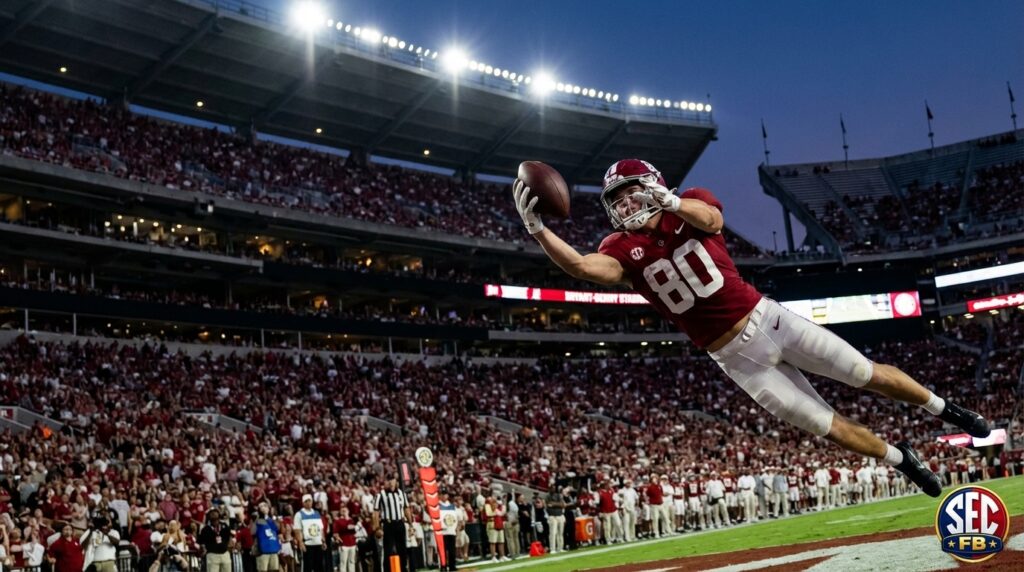
Ryan Williams sophomore slump and 2026 bounce-back potential
Ryan Williams sophomore slump and 2026 bounce-back potential is the lens through which we examine his path forward. His freshman season flashed high upside, with 48 catches, 865 yards, and eight touchdowns. However, his sophomore year brought measurable regression and nagging inconsistencies. He finished with 49 receptions, 689 yards, and four scores, but dropped thirteen passes. Because his drop-per-target rate rose sharply, quarterbacks may target him less often.
Yet the outlook for 2026 remains cautiously optimistic due to clear drivers for improvement. New receiver coach Derrick Nix and an open quarterback competition create opportunity in the offense. Therefore, this profile will analyze technique, target share, and ball security to project his 2026 ceiling. In short, Williams has the traits to regain efficiency, but he must fix drops and consistency.
We will use game tape, target maps, and drop rates to highlight where he can improve. Analytically, small changes in route crispness and catch technique could restore big-play output. As a result, projections should weigh both risk and upside for 2026.
Ryan Williams sophomore slump and 2026 bounce-back potential: what went wrong
Williams showed clear production decline from his freshman breakout. In 2025 he finished with 49 receptions for 689 yards and four touchdowns. However, the raw catch totals masked efficiency losses and ball-security issues.
Key sophomore slump details
- Drop total 13 drops, a large increase from his freshman year. Because those drops came on high-leverage targets, they cost drives and scoring chances.
- Drop-per-target rate 13.6 percent, which is well above average for elite college receivers. As a result, quarterbacks likely shifted targets away from him late in games.
- Receptions and yards remained similar to his freshman totals, but yards per catch and explosive plays declined. Therefore, his ability to change games decreased.
- Touchdowns fell from eight to four, reflecting fewer red-zone opportunities and broken plays.
How team dynamics amplified the slump
Short quarterback continuity reduced comfort. Ty Simpson left for the NFL, so new and competing quarterbacks took snaps. As a result, timing and chemistry suffered. In addition, the offense brought in a new receiver coach, Derrick Nix. While Nix offers development upside, the transition required adjustments. The team also missed landing Cam Coleman, which limited incoming veteran help. Consequently, Williams faced more defensive attention and fewer clean matchups.
Impact summary and immediate implications
- Target share likely shrank late in the season because of ball-security concerns.
- Defenses played him more aggressively, which cut into YAC and explosive plays.
- The combination of drops and quarterback turnover lowered his statistical ceiling.
This analysis frames why Williams underperformed in 2025. Yet the metrics also identify clear fixes. Improved catch technique and stable quarterback play could reduce the 13.6 percent drop rate. Therefore, the path to a 2026 bounce-back looks plausible if he addresses those areas.

Ryan Williams sophomore slump and 2026 bounce-back potential: readiness and projection
The 2026 season will test whether Williams can translate correction into results. Because he showed elite play as a freshman, expectations remain high. However, the sophomore slump exposed clear technical and contextual issues. Therefore, readiness depends on coaching, quarterback stability, and role clarity.
Key factors shaping his 2026 outlook
- Coaching changes: Derrick Nix brings new technique drills and receiver development experience. As a result, Nix could reduce drops through targeted catch work.
- Quarterback shifts: Ty Simpson left for the NFL, leaving a quarterback competition. Because timing and chemistry matter, a settled starter would help Williams regain target confidence.
- Competition and roster moves: Alabama missed on Cam Coleman, which lowered incoming veteran depth. Consequently, Williams may face more defensive focus and matchups.
- Past performance trends: Williams produced 48 catches, 865 yards, and eight scores as a freshman. Yet in 2025 he fell to 49 catches, 689 yards, and four touchdowns, with 13 drops and a 13.6 percent drop-per-target rate.
Opportunities and risks
- Opportunity: He retains high-end route speed and contested-catch ability. Therefore, small technical fixes can yield large efficiency gains.
- Risk: If the drop rate persists, target share will likely decline and limit his ceiling.
Practical readiness checklist
- Improve catch technique in early spring drills
- Build timing with the starting quarterback during camp
- Show consistent hands in scrimmages and preseason games
Ultimately, the bounce-back looks plausible but not guaranteed. With focused coaching and stable quarterback play, Williams can convert upside into 2026 production for the Alabama Crimson Tide.
| Season | Receptions | Yards | Touchdowns | Drop-per-target rate |
|---|---|---|---|---|
| Freshman (2024) | 48 | 865 | 8 | — |
| Sophomore (2025) | 49 | 689 | 4 | 13.6% |
| Projected (2026) | 55 (projected) | 800 (projected) | 7 (projected) | 7–9% (target) |
Notes
- Projections assume improved catch technique under Derrick Nix and more stable quarterback play after Ty Simpson’s departure.
- Because drops were a primary limiter, reducing the drop-per-target rate would materially raise yards and touchdowns.
- Therefore, the 2026 season projection reflects cautious optimism for the Alabama Crimson Tide.
Ryan Williams’ sophomore slump stung because the underlying metrics declined. His freshman year showed 48 receptions, 865 yards, and eight touchdowns. By contrast, his 2025 line was 49 receptions, 689 yards, and four touchdowns, with 13 drops and a 13.6 percent drop-per-target rate. Therefore, the problem was not volume but efficiency and ball security.
That said, reasons for cautious optimism exist. Derrick Nix arrives with a track record of improving receiver technique. Meanwhile, a quarterback competition could eventually produce the timing and consistency Williams needs. If he lowers his drop rate and rebuilds chemistry, he can regain explosive playmaking.
Practical indicators to watch in 2026 include catch consistency in spring drills, target share in preseason scrimmages, and whether his drop-per-target rate drops into single digits. Because small improvements in hands and route polish yield big gains, a bounce-back remains realistic.
SECFB LLC follows coverage of these developments. Visit SECFB.com and follow Twitter/X at @ZachGatsby for updates and deeper analysis on Alabama Crimson Tide players and the 2026 season.
Frequently Asked Questions (FAQs)
What caused Ryan Williams’ sophomore slump?
Several factors combined to cause his sophomore slump. He dropped 13 passes in 2025, creating a 13.6% drop-per-target rate. Because quarterbacks lost confidence, his target share and explosive plays declined. Meanwhile, Ty Simpson’s departure disrupted timing. Therefore, efficiency fell even though receptions stayed similar.
Does Ryan Williams sophomore slump and 2026 bounce-back potential look realistic?
Yes, cautious optimism is warranted. Derrick Nix can improve his catch technique. If Williams reduces drops and rebuilds chemistry with the starting quarterback, he can regain production. Projections assume more receptions, higher yards, and added touchdowns in the 2026 season. Coaches expect measurable improvement by midseason if drills stick.
What skills must he improve most?
He must fix catch mechanics and ball security. Also improve route crispness and release against press coverage. Because contested catches still suit him, polish will convert those chances into receptions and yards.
How do coaching and quarterback changes influence his outlook?
Coaching brings targeted drills and accountability. Derrick Nix has a history of developing receivers. Meanwhile, a settled quarterback will improve timing and reduce drops. If the QB competition resolves quickly, Williams benefits.
What metrics will show a true bounce back?
Track the drop-per-target rate and target share first. Then monitor receptions, yards per catch, yards, and touchdowns. If drop rate falls into single digits, expect a material jump in production. Also watch yards per route and contested catch rate.