

The SEC breakaway realignment and 24-team CFP playoff debate has college football pundits pacing and plotting. Fans and commissioners trade spreadsheets, hot takes and occasional conspiracy theories. However, the stakes go well beyond bragging rights and television money. Because the SEC holds leverage through TV contracts and a 16-team footprint, any realignment could redraw competitive maps, alter recruiting pipelines, reshape which bowl games matter most, and complicate television contract clauses tied to championship games, so administrators and school presidents weigh legal, political and financial consequences with unusual care.
And while a 24-team playoff sounds like an all-you-can-eat buffet of fairness, it raises tough questions about season length, player safety, and whether expanding the field really fixes the underlying governance issues, which might need federal or collective bargaining answers rather than a scheduling tweak, and some stakeholders simply want clearer revenue sharing and medical protocols before adding more games soon and quickly.
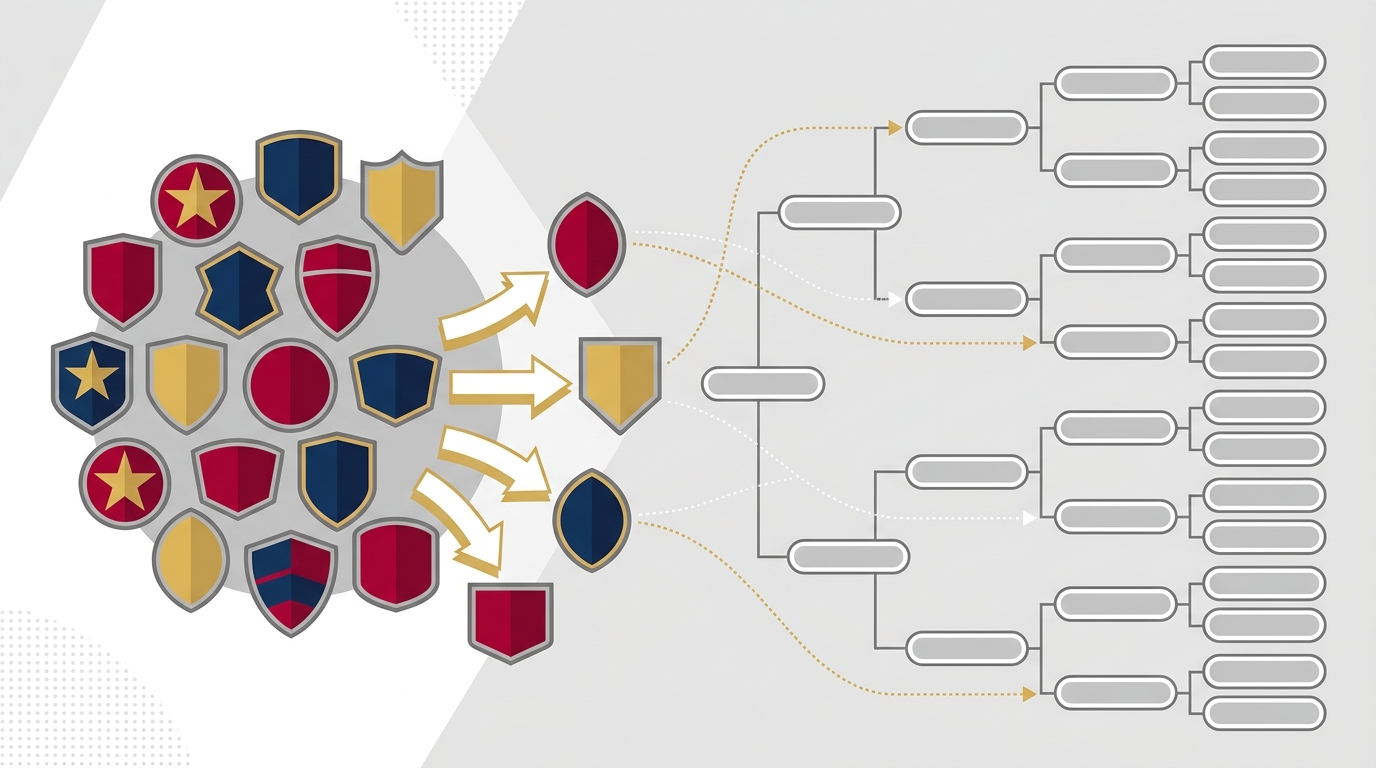
SEC breakaway realignment and 24-team CFP playoff debate: Realignment insights
The SEC breakaway conversations moved from whispers to headlines in Destin. However, no bylaw changes passed at the spring meetings. Instead, the conference announced flexibility to adjust rules between meetings. As a result, administrators now have room to maneuver without a full vote.
Background and current status
The breakaway talk has brewed for months behind closed doors. Greg Sankey has avoided forcing a quick vote, preferring cautious diplomacy. Meanwhile the SEC 16-member presidency/ADs weigh expansion against legal and media constraints. The conference may pursue roughly eight new schools. Potential targets include North Carolina, Virginia, Virginia Tech, Clemson, Florida State, Miami, Oklahoma State, and Georgia Tech.
Key facts at a glance
- The SEC did not pass bylaw changes in Destin but announced flexibility for interim changes.
- The CFP contract runs through 2031-32, which limits sudden national shifts.
- The SEC championship game remains tied to ESPN under current contracts.
- ESPN reportedly holds rights that could support a larger playoff field, possibly up to 14 teams.
- There is no clear majority among SEC coaches or ADs on a 24-team CFP playoff.
Political dynamics and leverage
Conference realignment today blends power, money, and politics. Because television networks drive revenue, TV contracts shape options. Schools use leverage to secure favorable terms, and collective bargaining or federal solutions could change the rules. For instance, a national legislative fix might override conference preferences. Likewise, labor negotiations could reset revenue sharing and health standards.
Practical implications
Expansion would redraw travel and recruiting maps. It would also alter bowl tie-ins and scheduling windows. Administrators must consider player welfare and season length. Moreover, losing or changing the SEC championship game could trigger contract penalties.
What to watch next
- Follow-up meetings and any interim bylaw adjustments.
- Negotiations with ESPN and other broadcasters.
- Formal expansion offers and responses from target schools.
- Shifts in opinion among the SEC 16-member presidency/ADs and coaches.
In short, college football realignment now reads like high-stakes chess. The moves will shape the sport for years. Therefore, stakeholders must balance short-term gains with long-term stability.
Quick comparison of playoff formats and impacts
However, the table below compares the current 4-team CFP, an ESPN-supported 14-team model, and the debated 24-team playoff.
| Format | Number of teams | Advantages | Challenges | How it affects the SEC and ESPN contracts |
|---|---|---|---|---|
| Current CFP | 4 | Preserves regular-season value; minimizes season length; fits existing TV windows. | Excludes many worthy teams; fuels selection controversy. | Importantly, it keeps the SEC championship game tied to ESPN. It maintains current revenue splits and broadcast windows. |
| ESPN-supported model | 14 | Expands access while limiting bracket length; aligns with some ESPN rights scenarios; increases marquee games. | Adds rounds and scheduling complexity; may require midseason windows. | Therefore, it would need targeted contract amendments with ESPN. It could preserve the SEC championship with adjustments. |
| Debated 24-team playoff | 24 | Maximizes inclusion; creates more playoff revenue and national matchups; reduces exclusion complaints. | Lengthens season and increases injury risk; dilutes some regular-season stakes; complicates bowl system. | Consequently, it would trigger major renegotiation of ESPN deals. It could eliminate or devalue the SEC championship game, changing revenue flows. |
Therefore, the formats trade clarity for inclusiveness, money for logistics, and stability for potential growth.
SEC breakaway realignment and 24-team CFP playoff debate: Playoff landscape and leverage
The 24-team CFP debate mixes sport, business, and politics in equal parts. SEC coaches and ADs remain split, and opinions vary by school. However, many see opportunity in exposure and revenue. Others worry about player safety and schedule bloat.
Why the contract matters
The CFP contract runs through 2031-32, so change cannot happen overnight. Because ESPN holds key rights, its position is central. In addition, networks like Fox watch closely. Therefore, the dispute often reads as ESPN vs Fox negotiation theater.
Conference dynamics and complexity
- The Big Ten and ACC have their own stakes, and they will push back or bargain.
- Notre Dame independent status complicates automatic entry rules, so its role is key.
- The Southwest Conference heritage shows how regional blocs reshape power over time.
SEC playoff leverage and realignment effects
The SEC wields huge negotiating power. As a result, its potential expansion strengthens leverage. Adding teams increases market reach and TV value. Thus, the SEC can demand favorable playoff terms and revenue splits.
Practical tradeoffs
A larger playoff brings more money and weaker scheduling symmetry. It also risks diluting regular-season importance. Meanwhile, realignment may recalibrate which games count most. In short, the SEC’s choices will influence any playoff redesign.
What to watch next
Expect power plays around media rights and bylaws. Also watch public opinion from coaches and athletic directors. Ultimately, leverage will decide whether 24 teams ever arrive.
CONCLUSION
The SEC breakaway realignment and 24-team CFP playoff debate remains unresolved but consequential. Fans, administrators, and broadcasters face intertwined choices about power, money, and player welfare. Because the SEC holds major leverage, its expansion plans and bargaining stance will shape the playoff outcome. Greg Sankey has favored caution. The SEC 16-member presidency and athletic directors balance legal exposure and media opportunities.
If the CFP expands, networks will demand clear windows and revenue shares. ESPN’s contract through 2031-32 matters greatly, and ESPN vs Fox dynamics will influence terms. Meanwhile, the Big Ten, the ACC, and Notre Dame independent status add layers of complexity. Therefore, blunt solutions look unlikely.
Watch interim bylaw moves, media negotiations, and formal expansion offers. Also monitor shifts among coaches and athletic directors, since their votes will matter. Ultimately, the debate is as much about governance as it is about games.
For continuous coverage follow SECFB LLC. Visit SECFB.com for updates and breaking coverage. Also follow on Twitter at @ZachGatsby for short reaction and links to deeper reporting. Stay tuned because the next move could reset college football.
Frequently Asked Questions (FAQs)
What is the core issue here?
The SEC breakaway realignment and 24-team CFP playoff debate centers on conference expansion and playoff size. Leaders debate money, TV rights, and player health. As a result, few clear decisions exist right now.
Which schools could join the SEC?
Reported targets include North Carolina, Virginia, Virginia Tech, Clemson, Florida State, Miami, Oklahoma State, and Georgia Tech. However, formal offers may take months.
When might we see a change?
The CFP contract runs through 2031-32, so quick national change is unlikely. Meanwhile the SEC allowed interim bylaw flexibility after Destin. Therefore, watch follow-up meetings and negotiations for timing.
How would a 24-team playoff affect games and contracts?
A larger playoff adds rounds and revenues, but it lengthens seasons and raises injury concerns. It would also require major renegotiation of TV deals and could alter the value of the SEC championship game.
What does the SEC want strategically?
The conference seeks greater market reach and negotiating power. In short, it wants more revenue, stronger recruiting footprints, and leverage in CFP talks.