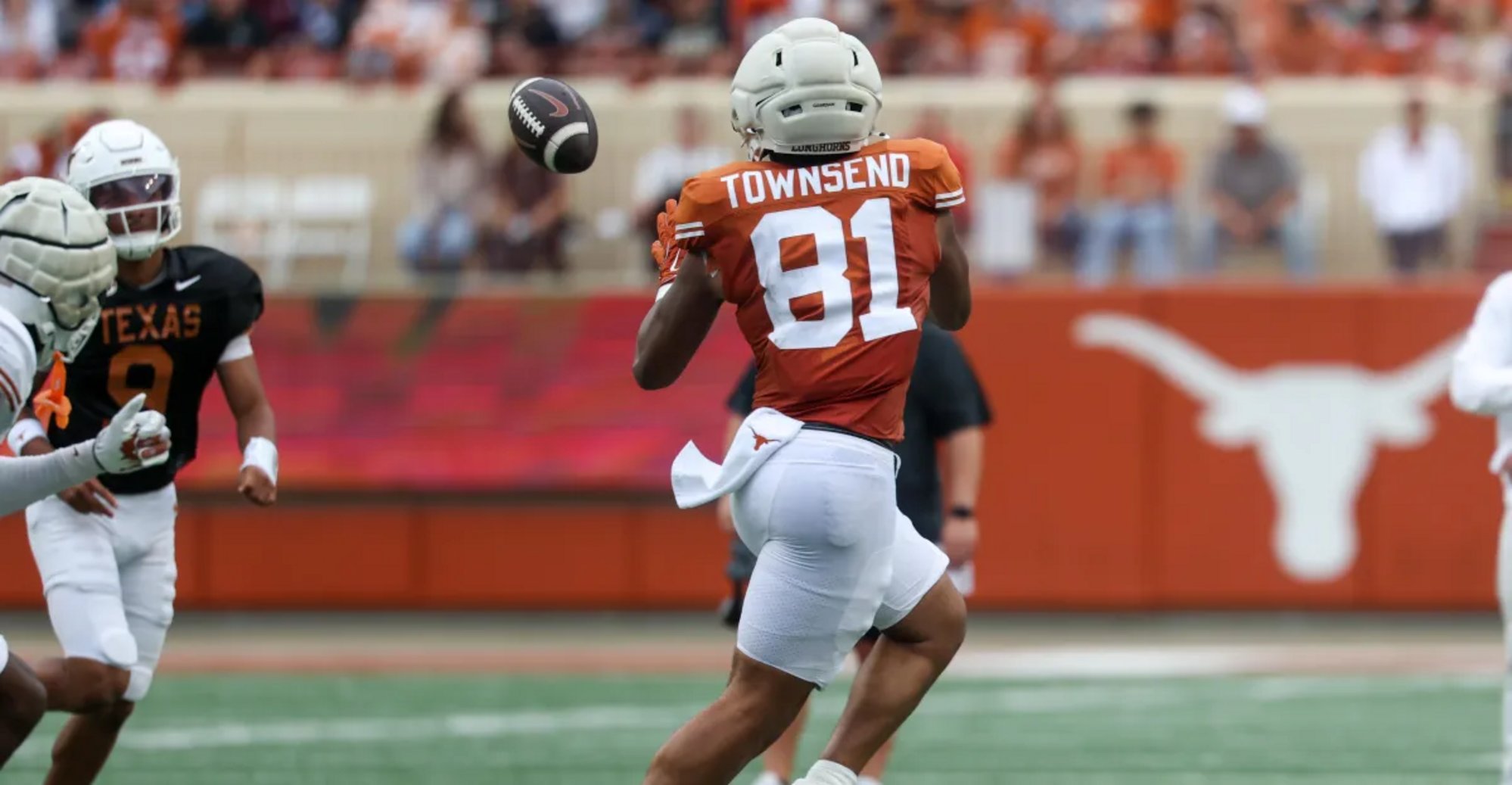
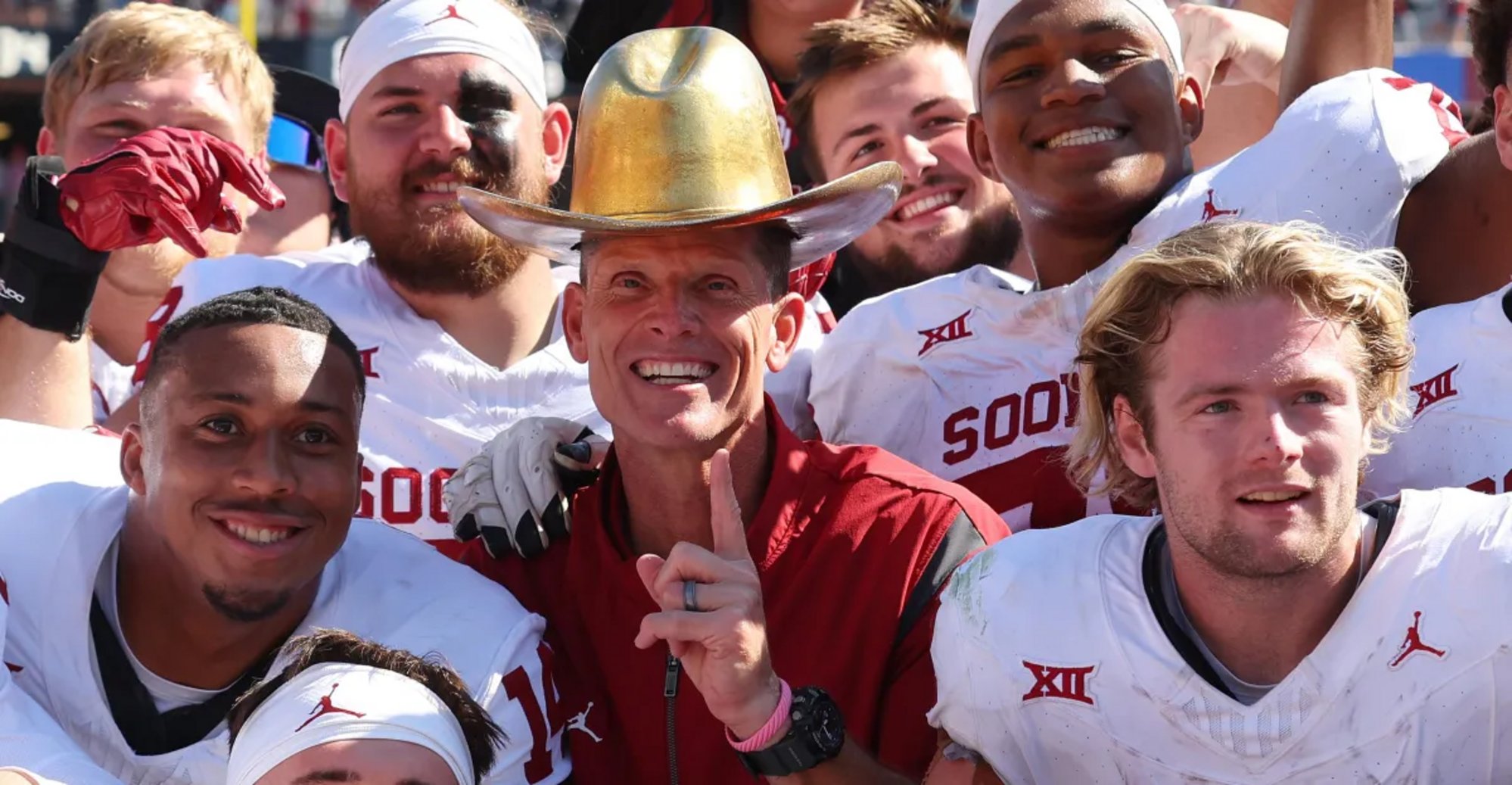
Steve Sarkisian enters the new season with a résumé few can ignore: he rebuilt Texas into a playoff contender. That rise reorients expectations inside Austin and nationally — incremental gains no longer suffice when championship goals are on the menu.
The central claim driving debate is blunt: “Steve Sarkisian rebuilt Texas into a playoff contender, but a No. 6 coaching ranking shows only a national championship will silence his critics.” This piece examines that framing, the evidence behind it, and the roster and schedule realities that will determine whether this season becomes title-or-bust.
What Steve Sarkisian has built
Sarkisian’s core achievement is turning Texas football back into a consistent national conversation piece. After inheriting a program with enormous expectations, he stabilized recruiting, modernized offensive and defensive schemes, and produced the win totals and signature victories that push a program into playoff consideration.
On the field, Texas’s return to playoff contention is the clearest metric of progress: it changes the baseline for fans, boosters and media. When a program is perceived as elite, patience for gradual rebuilding shrinks and the tolerance for near-misses fades.
No. 6 coaching ranking explained
The No. 6 coaching ranking cited by sportspyder.com is both recognition and pressure amplifier. Rankings synthesize recent results, roster trajectory and perceived ceiling; being placed sixth in that hierarchy signals respect but also raises the bar for acceptable outcomes.
Beyond headline value, a top-10 placement alters narratives. Media coverage intensifies, donor expectations can harden, and critics often apply a simpler win/lose lens to perceived underperformance. That dynamic helps explain why a No. 6 label feeds into a title-or-bust storyline for Sarkisian.
Why a national championship is framed as the fix
Framing the season as needing a national championship to silence critics is an interpretive assertion, but it has logic. For programs with Texas’s resources and history, the ultimate remedy for skeptics is an undisputed top finish — championships tend to reset narratives in ways sustained improvement cannot.
That interpretation is not an iron rule. Athletic directors evaluate trajectory, recruiting momentum, program culture and financial impact. Still, in public discourse the calculus often becomes binary: title or continued scrutiny. A championship removes ambiguity in a way second- or third-place seasons rarely do.
Roster, recruiting and obstacles
Texas’s title hopes rest on three pillars: returning production, incoming recruiting classes, and how well transfers or freshmen are integrated. Depth across key positions — quarterback, offensive line, front seven on defense — will determine whether the team can sustain elite play across a long, injury-prone season.
Obstacles are familiar. The transfer portal reshapes rosters annually, creating both opportunity and instability. Injuries expose thin spots, and a single matchup loss in conference play can derail a national résumé. Recruiting remains the ultimate currency; classes that replenish and upgrade talent will be decisive for a late-season push.
Development matters as much as top-end talent. Texas needs consistent growth from younger players and quick assimilation of new additions for Sarkisian’s system to produce championship-level consistency.
What comes next for Sarkisian and Texas
The season will break into measurable arcs: nonconference results that shape perception, brutal conference tests that reveal depth and scheme flexibility, and late-season performance that ultimately decides whether Texas is a genuine title contender or a near-miss program.
What to watch: defensive responses to high-powered offenses, quarterback consistency in pressure moments, the offensive line’s ability to control tempo, and special teams in close games. Those areas often swing one- or two-game margins that separate playoff teams from champions.
For the program, off-field metrics matter too: recruiting momentum, transfer portal management, and national perception will influence long-term stability for a coach operating under heightened expectations.
Key takeaways for fans
- Steve Sarkisian has converted Texas into a consistent playoff contender, raising both respect and scrutiny.
- A No. 6 coaching ranking signals elite status but also raises the bar for acceptable outcomes among parts of the fanbase and media.
- Framing the season as needing a national title to quiet critics is interpretive but defensible given Texas’s resources and narrative expectations.
- Roster depth, recruiting follow-through and late-season performance are the clearest indicators to watch.
FAQ
Does Steve Sarkisian need a national title to keep his job?
Not strictly. Athletic directors weigh trajectory, recruiting and program health. However, at a blue-blood program with Texas’s budget and ambitions, a national title would markedly reduce external criticism and solidify a coach’s standing.
How does the No. 6 coaching ranking affect public perception?
A top coaching ranking elevates expectations and shortens the leash for anything less than championship-level results among some fans and media observers.
What roster factors will determine Texas’s title chances?
Depth, injury management, development of young talent, and integration of recruits/transfers matter most. Consistent quarterback play, a dominant front on defense, and reliable special teams typically separate champions from contenders.
Source attribution: sportspyder.com — Roundtable: LonghornsRoundtable – Steve Sarkisian Faces Title-or-Bust Pressure at Texas