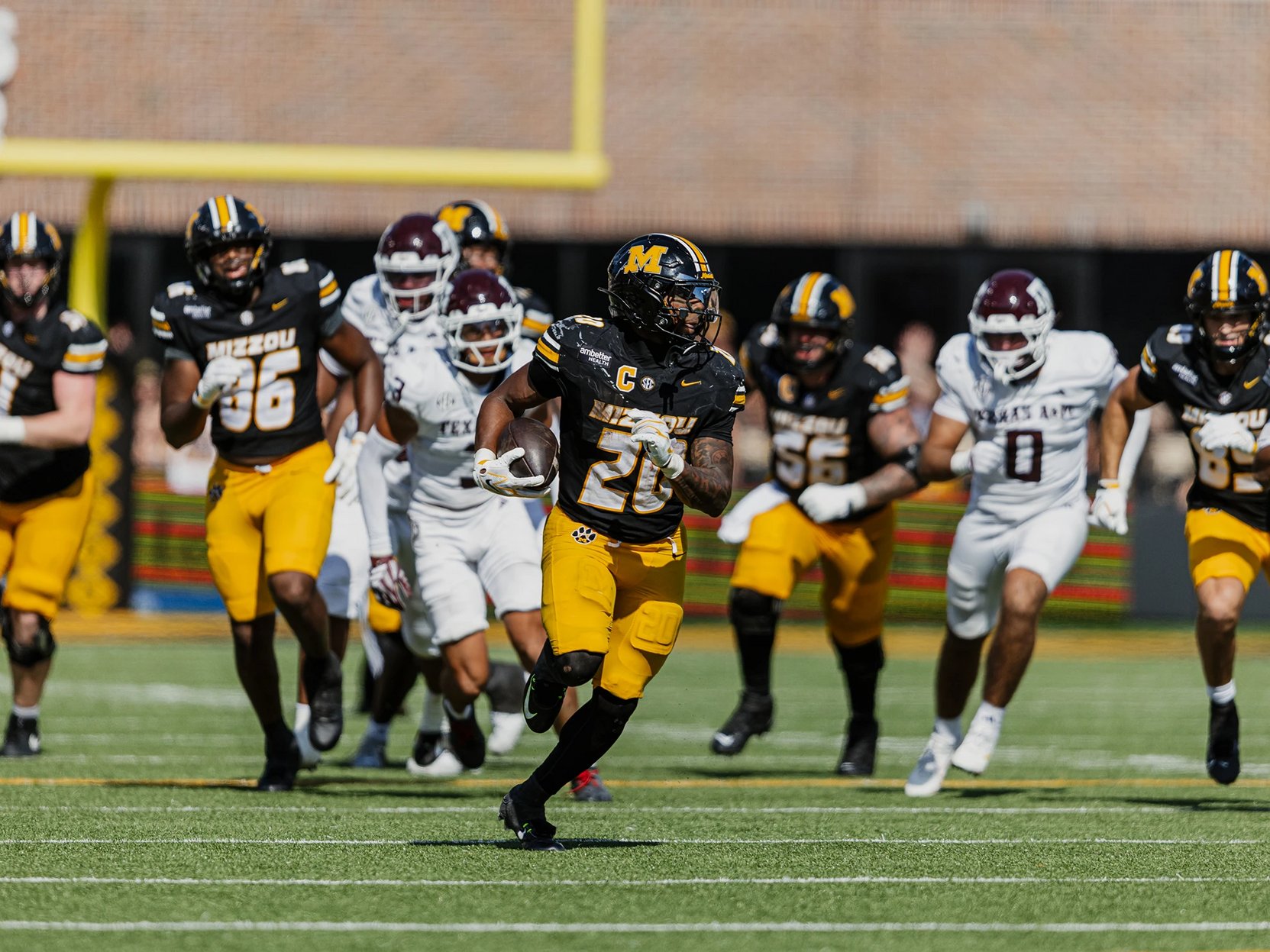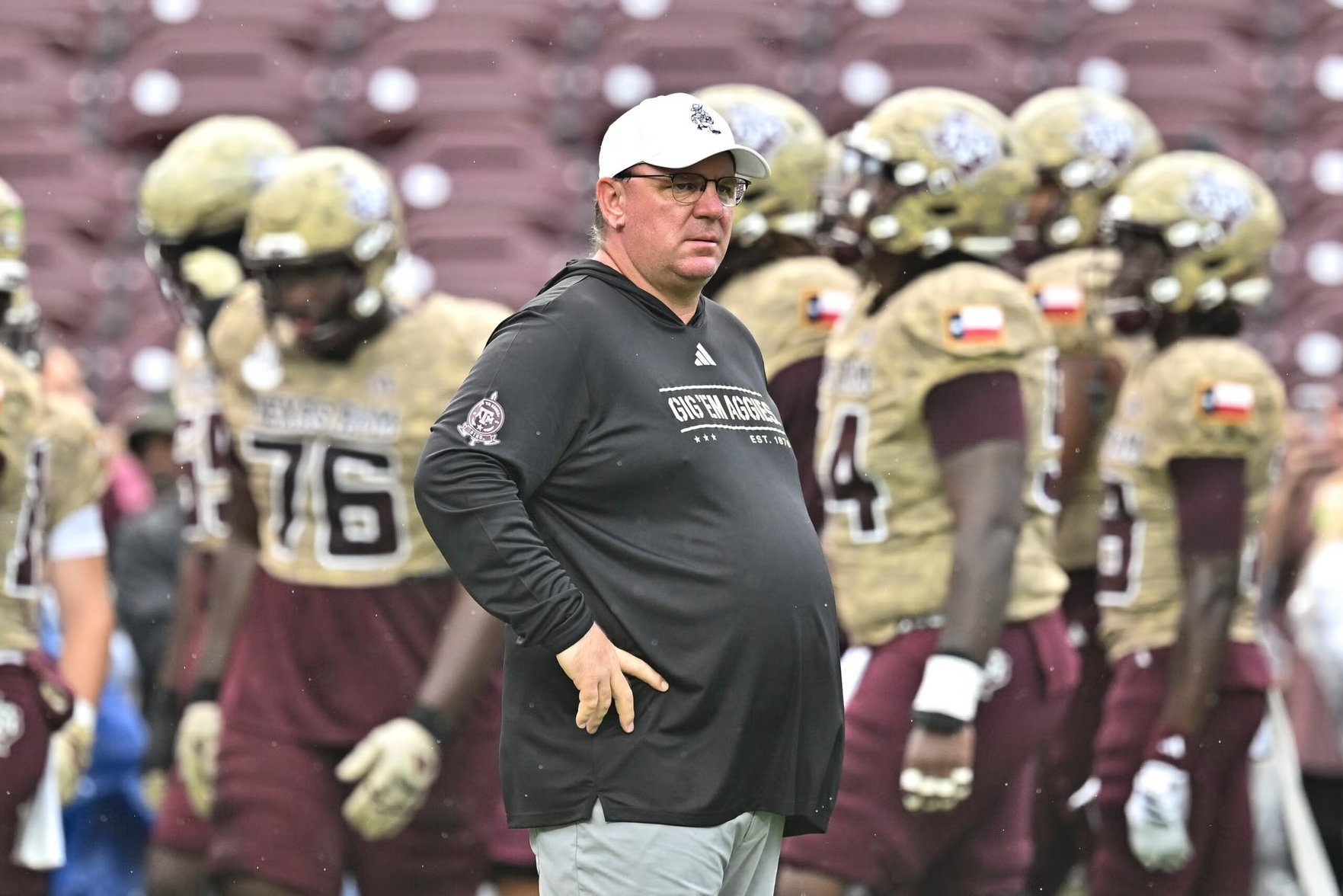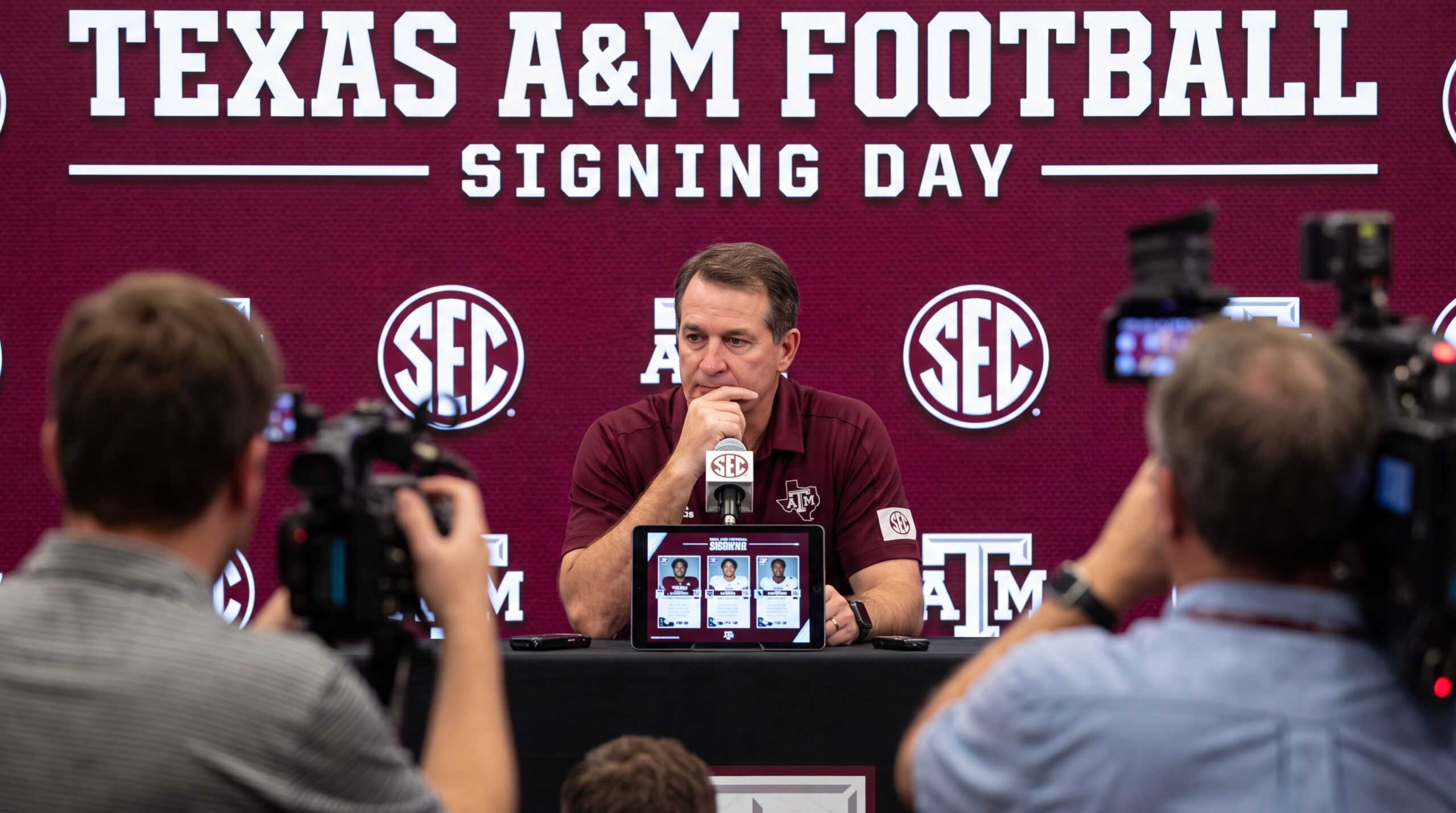
The Aggies are knocking the 2027 cycle out of the park, and Texas A&M recruiting is drawing renewed attention — including a familiar, largely unverified fan complaint that some outlets and message-board posters have dubbed the “oldest play in the book.”
On its face, the 2027 recruiting momentum is a clear positive for Texas A&M. That traction has shown up across multiple position groups and in the class’s overall movement in public rankings. At the same time, the specific criticism being revived appears primarily in fan commentary and a single coverage piece rather than as a claim substantiated by independent reporting.
Texas A&M recruiting: what the 2027 haul looks like
By visible measures, the Aggies’ 2027 recruiting cycle stands out for depth and positional balance. The class includes a mix of three- and four-star prospects plus a handful of higher-profile commits that have pushed the overall rankings upward. That mix matters: programs often rely on a blend of immediate contributors and developmental pieces to sustain competitiveness over multiple seasons.
Recruiting success here is not solely about landing marquee names. The class’s ability to add depth at thin positions, provide competition for current backups, and offer developmental upside in the trenches or skill groups is what will matter most to coaches assessing long-term roster health.
That depth can translate into on-field competition sooner than many fans expect if the staff accelerates development in spring work and fall camp. Conversely, even well-regarded classes need strong player development and retention to reach their full potential.
What fans are saying and the “oldest” criticism
Some fans have reacted to the surge by trotting out what one report called the “oldest play in the book.” In context, that phrase is a figurative label for a recurring fan complaint rather than a concrete allegation tied to specific incidents or verifiable data.
The characterization originates in online commentary and a gigemgazette.com piece that framed the reaction as a familiar refrain among parts of the fanbase. That description is presented as reported fan sentiment; it has not been independently corroborated by other outlets or official program statements in the coverage reviewed for this article.
Readers should treat this criticism as a reported fan perspective: notable for what it says about public conversation, but not established as fact by multiple independent sources.
How valid is the criticism? Context for coaches and roster
Assessing whether the criticism has teeth requires separating social-media shorthand from program-level realities. Useful, objective touchpoints include scholarship availability, positional needs, returning starters, and transfers. Those metrics, rather than message-board soundbites, determine immediate roster pressure and where recruits can have the most impact.
Texas A&M’s 2027 class addresses several positional needs and adds competition across the depth chart. That pattern aligns with how coaching staffs typically try to replenish rosters: targeted additions at weak spots, plus high-upside prospects who can develop into starters over one to three seasons.
A vocal minority of fans may compress complex roster-building into a simple gripe, but coaches measure success over time. The practical test for this class will be how many signees are developed into rotation players and starters, and how the staff navigates attrition from transfers and graduations.
Recruiting traction and program direction
Beyond immediate roster math, sustained recruiting success signals program direction to future prospects. When a staff lands multiple priority targets in a cycle, it can create momentum that attracts late commitments and improves a program’s standing in contested recruiting regions. For Texas A&M recruiting, consecutive strong cycles would help close gaps with regional rivals and expand the staff’s footprint for future classes.
However, early-cycle momentum must be matched by retention and player development. Recruiting headlines can shift quickly; converting commitments into reliable on-field contributors is a longer process that depends on coaching, health, and fit.
What comes next for Texas A&M recruiting
Near-term, watch signing day results, any late flips, and how the staff allocates visits and evaluations to remaining targets. Spring practices and initial evaluations will reveal how incoming recruits stack up against returning depth and which players might push for early playing time.
Over the 2027 season and the next two years, the real measure of this class will be development, depth chart movement, and whether the staff can retain its core pieces. If the program sustains recruiting traction and demonstrates clear player development, the cycle’s positive effects should appear in depth charts and on-field rotation sooner rather than later.
Fan conversation will likely continue to echo the “oldest” criticism in online forums, even though the claim remains presented as fan reaction rather than independently substantiated reporting. Coaching staffs typically respond to roster realities and recruiting analytics more than online sentiment, but public perception can shape narratives around staff decisions and recruiting momentum.
Key takeaways
• Texas A&M recruiting has clear momentum in the 2027 cycle, adding depth and competition across multiple position groups.
• The so-called “oldest play in the book” appears primarily in fan commentary and a single report; it should be read as reported fan sentiment, not verified fact.
• The ultimate value of this class will be determined by development, retention, and how incoming players compete for playing time over the next two to three seasons.
Source: Texas A&M Aggies – gigemgazette.com. Published at: 2026-07-01T21:05:20.000Z
Additional reporting and class context: 247Sports – Texas A&M 2027 class tracker (247sports.com). Published/updated: 2026-07-01T00:00:00.000Z
FAQ
What is the “oldest criticism” fans are mentioning?
It’s a figurative label used by some fans and one report to describe a recurring complaint. The phrase is presented as fan reaction and is not independently corroborated in other reporting.
How strong is Texas A&M’s 2027 recruiting class?
The class shows traction and depth across several positions; its long-term strength depends on development, retention, and whether the staff holds late targets.
Will this fan reaction affect commits or coaching moves?
Coaching decisions and recruits’ choices tend to hinge on relationships, opportunity, and program trajectory. Unless the criticism is backed by verifiable issues, it’s unlikely to directly alter recruiting outcomes.