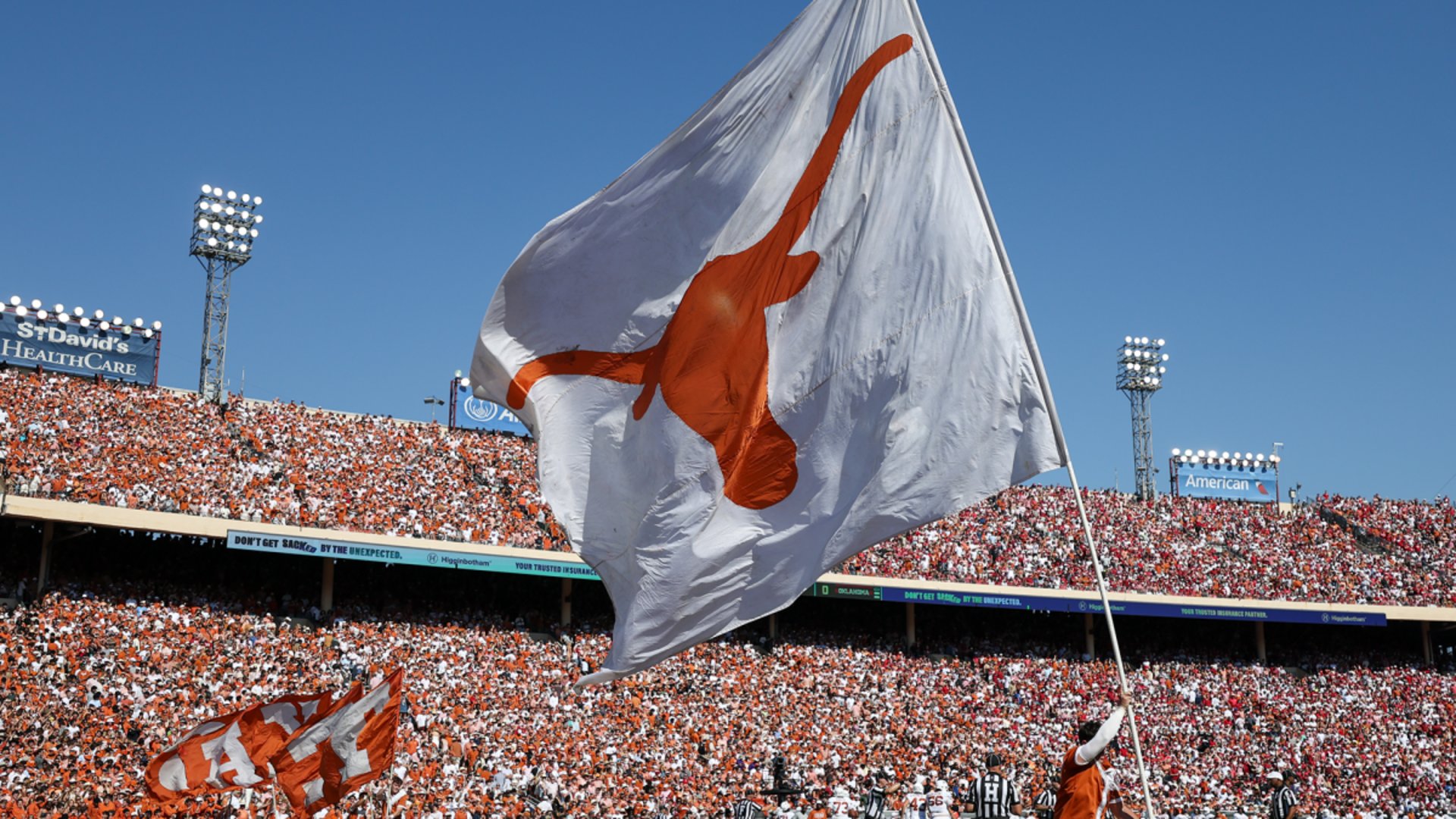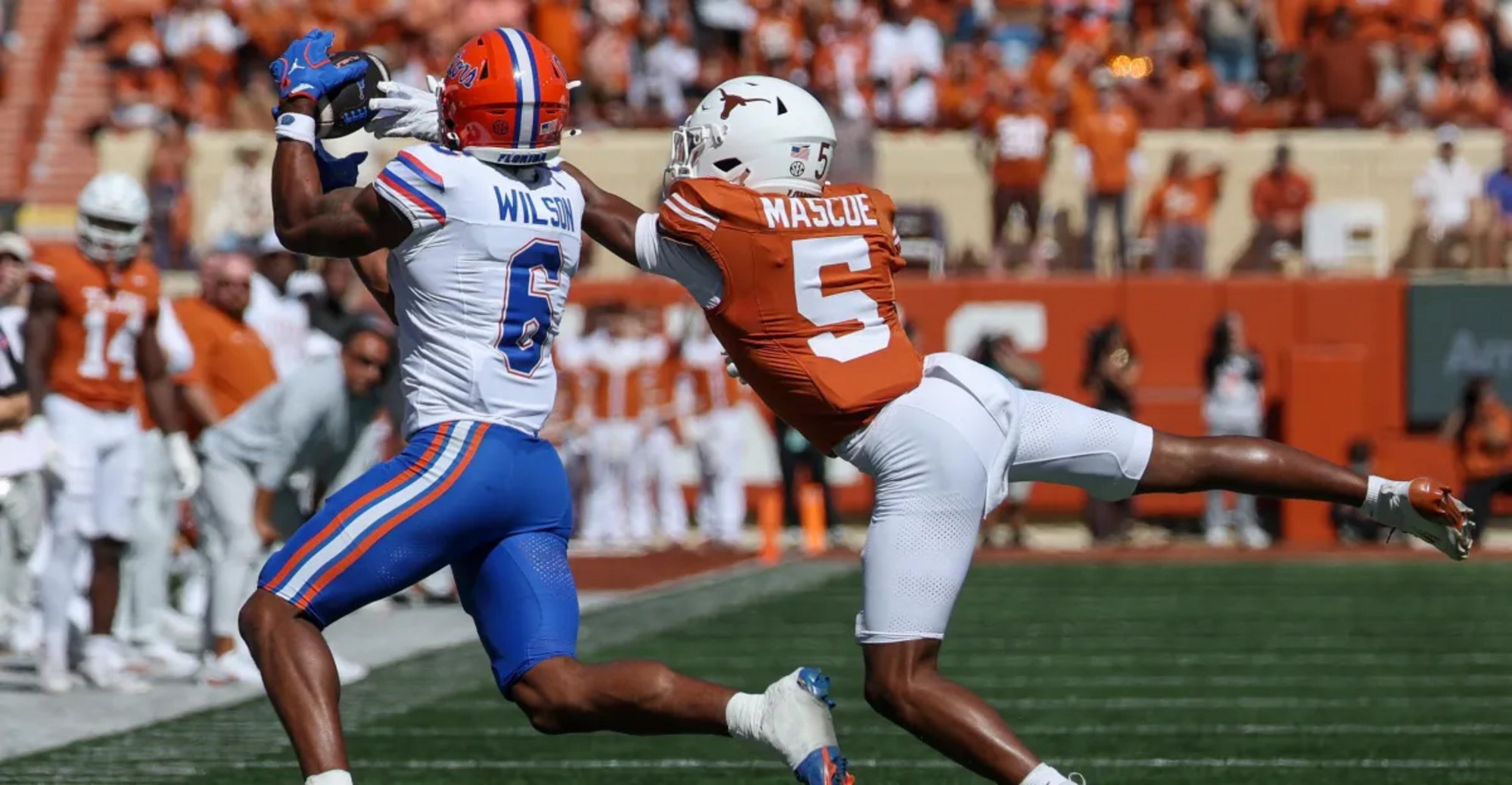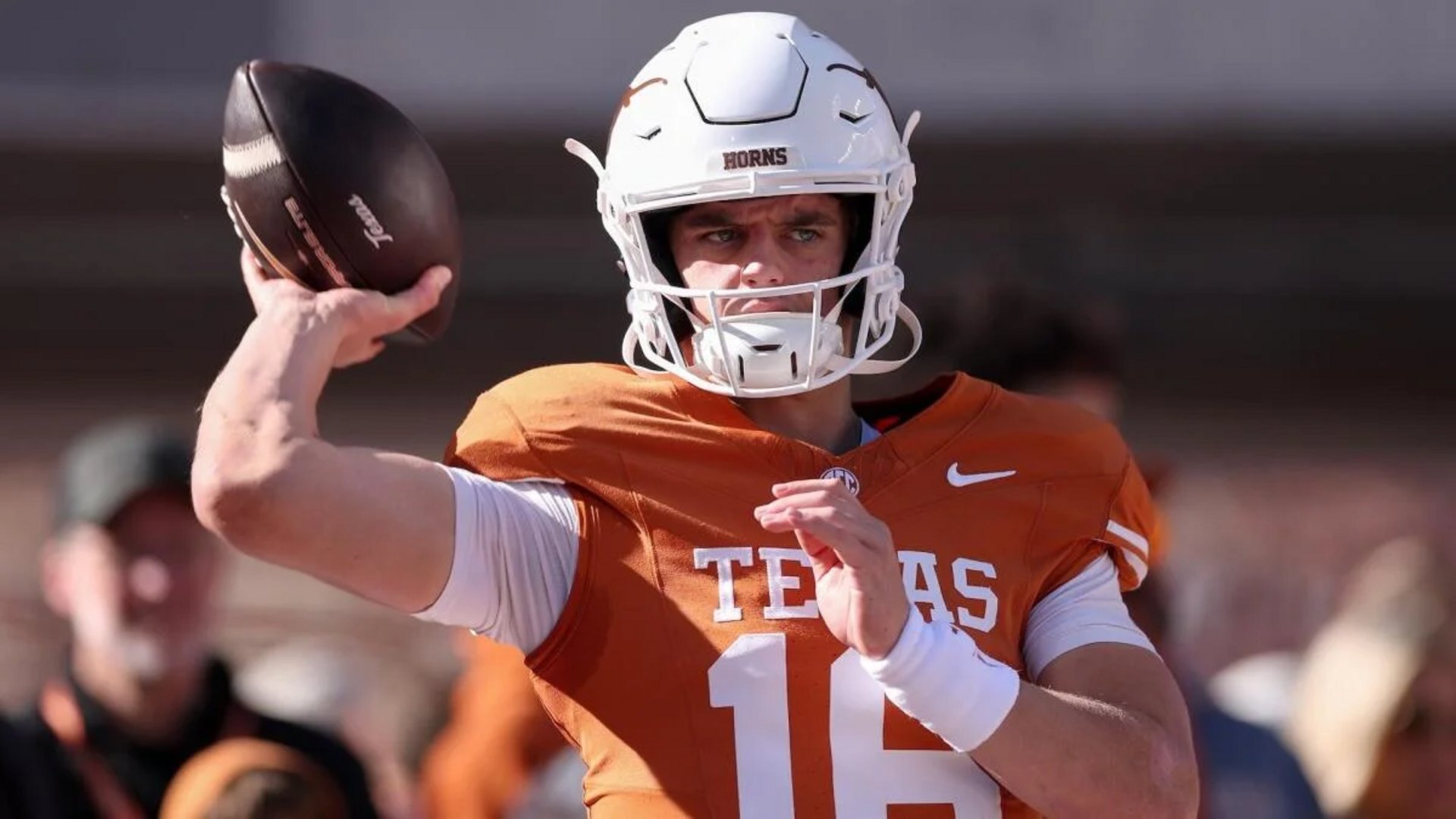
The Texas Longhorns preseason hype in 2025 — capped by an AP preseason No. 1 ranking and centered on quarterback Arch Manning — did not translate to a College Football Playoff berth. Texas opened the year under the brightest expectations in program history but closed with a 9-3 record and did not visit the College Football Playoff.
That swing from top billing to a solid-but-not-elite finish is a practical reminder: preseason labels matter for narrative and betting lines, but they are only a starting point. Below we recap why 2025’s hype peaked where it did, how Arch Manning shaped projections, and which concrete, measurable indicators will separate hype from reality in 2026.
Why Texas Longhorns preseason hype peaked in 2025
Two forces raised expectations sharply in 2025: the AP preseason No. 1 ranking and the optimism tied to Arch Manning’s projected ceiling. Together, they created a national storyline that assumed an elite offense and a clear path back to the playoff conversation.
Preseason No. 1 is an aggregation of roster evaluation, coaching outlook and perceived schedule advantage. For Texas, the Manning narrative amplified those inputs. When a team starts the season carrying that kind of weight, even a small number of unfavorable results — turnovers, missed red-zone opportunities, or narrow losses — can swing public perception from justified optimism to disappointment.
Where the hype met reality: missed College Football Playoff
Texas did not visit the College Football Playoff in 2025, and the difference between expectation and outcome was rarely a single catastrophic event. Instead it showed up as a collection of smaller issues: situational struggles in tight games, inconsistent execution in key moments, and areas where opponent adjustments revealed depth or schematic limits.
A 9-3 record typically signals a team that won most of its schedule but did not clear the narrow margins that separate top-four contenders from the rest. In college football, those margins often come down to special teams, turnover swings, and late-game playcalling — not only star power.
What Arch Manning’s role really meant
Arch Manning’s presence was a central reason the preseason buzz intensified. A quarterback with perceived franchise-level upside changes how voters and analysts project a team’s ceiling; it can inflate preseason rankings and early-season expectations.
But a quarterback’s potential needs complementary factors to produce playoff-level results: consistent protection, a finishing offense in the red zone, defensive reliability, and coaching that wins situational football. When those pieces lag, the quarterback’s upside becomes necessary but not sufficient for a title push.
Where the metrics told the story
To move beyond headlines, focus on a handful of measurable indicators. Turnover margin, third-down conversion rate, and red-zone scoring percentage are especially predictive of which teams maintain winning streaks and build strong résumés. Teams that protect the ball and convert a high share of red-zone trips remove variance and create sustainable schedules for CFP contention.
These metrics are not abstract: they show up in box scores and weekly stat pages. Coachable improvements (fewer forced throws, cleaner protection, smarter playcalling near the goal line) often produce visible changes in those numbers across a season. For readers tracking Texas in 2026, check team stat pages early and watch for positive trends in those three areas.
Lessons for evaluating Texas in 2026
Use measurable signals rather than headlines when judging whether Texas’ 2026 preseason rankings are warranted. Practical watch points include:
- Early non-conference performance — especially against power-five or veteran mid-tier opponents — gives an early resume that the committee and bettors notice.
- Third-down conversion and red-zone efficiency — do drives sustain and finish when it matters?
- Turnover margin — both protecting the ball and forcing turnovers change game outcomes more than raw yardage totals.
- Close-game record — one-possession games reveal coaching and late-game execution.
- Depth and injury resilience — long seasons reward teams that can replace starters without steep dropoffs.
Preseason rankings are a helpful baseline, but they should be reweighted quickly as these metrics accumulate through the first six weeks of the schedule. Teams that correct early situational faults usually climb; teams that don’t tend to drift downward despite lofty preseason billing.
Practical takeaways for fans and bettors
Temper preseason excitement with a simple checklist. Treat an AP preseason No. 1 label as a projection, not a guarantee. Use early-season matchups for real evidence of offensive and defensive adjustments. Track turnover margin, red-zone scoring and third-down conversion before placing long-term bets.
For bettors: favor in-season trends and health-adjusted metrics for futures markets rather than initial narrative-driven lines. For fans: focus on whether the team is improving in those concrete areas week to week, not whether the preseason hype sounds convincing on talk radio.
What comes next for Texas
The 2026 season will test whether Texas learned from the gap between hype and result in 2025. If the coaching staff tightens situational play, improves depth, and sustains offensive efficiency in crucial moments, preseason rankings could again favor the Longhorns. The most reliable verdicts, however, will come from watching the stat sheets and game film in the early weeks.
Key takeaways
Preseason hype can amplify both upside and disappointment. The 2025 Texas team’s AP preseason No. 1 status and Arch Manning narrative created high expectations that a 9-3 finish and absence from the College Football Playoff ultimately did not meet. Use early-season metrics — turnover margin, red-zone efficiency and third-down conversion — to judge 2026 more accurately.
Source: Yardbarker (via SportSpyder) — Can Texas Longhorns live up to the preseason hype in 2026?
FAQ
Did the 2025 preseason No. 1 ranking mean Texas was overrated?
Not automatically. Preseason No. 1 reflects projected roster strength and schedule, but it isn’t a guarantee. The 9-3 finish shows the team underperformed relative to that projection; whether that equals being “overrated” depends on how evaluators weigh roster potential versus in-season execution.
How much does Arch Manning determine Texas odds in 2026?
Manning will shape perception and influence odds, particularly if he remains a clear difference-maker. But his impact should be balanced against protection, coaching decisions, defensive performance and team depth when setting expectations or betting lines.
What should fans watch early in 2026 to judge hype versus reality?
Focus on early non-conference results, turnover margin, red-zone efficiency and third-down conversion. Those indicators give practical, early evidence of whether preseason rankings reflect a team ready to compete for a playoff spot.