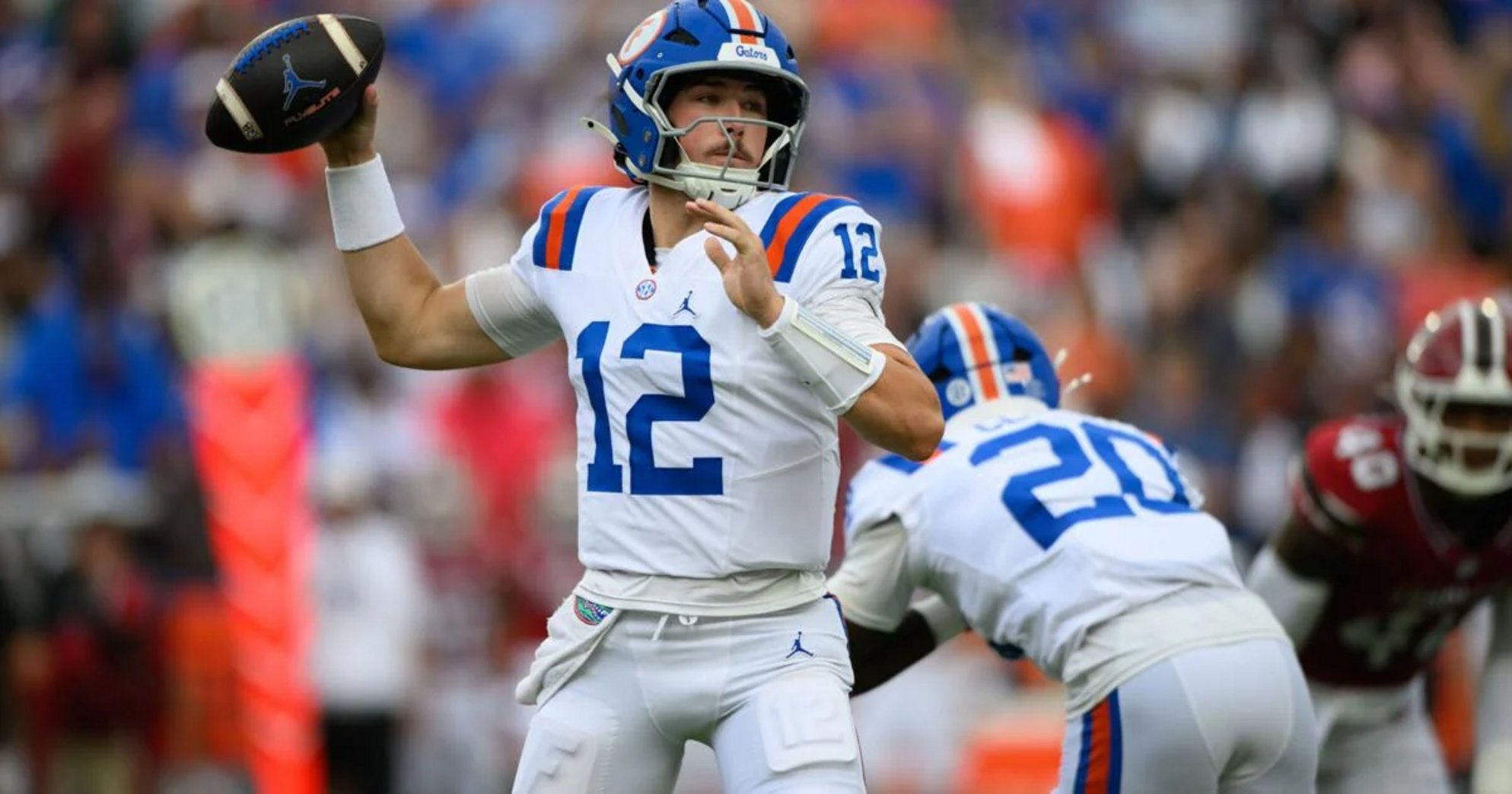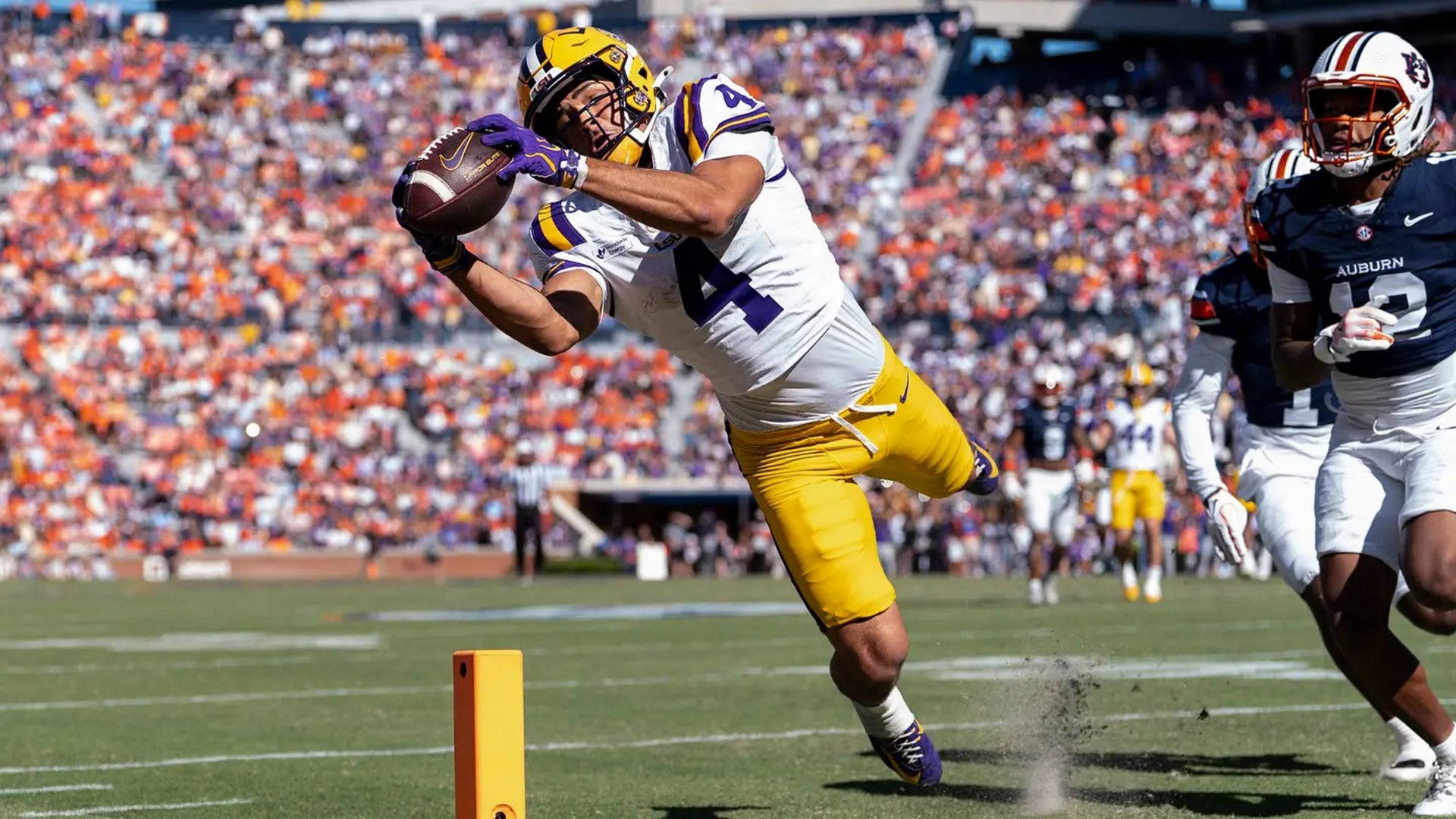

Trinidad Chambliss pushed back Friday after first-year LSU coach Lane Kiffin suggested Ole Miss’ history with Confederate symbols made it harder to recruit Black players. Chambliss told ESPN, “I disagree with that characterization,” and urged attention to the program’s current staff and culture rather than its past imagery.
The exchange — Kiffin’s comment, Chambliss’ response and the swift reactions on social media — landed in the middle of a busy recruiting period and revived conversations about how history and perception factor into where high school prospects decide to play. Both comments were reported by ESPN and have been treated by observers as competing perspectives on recruiting dynamics rather than definitive proofs about individual commitments.
Trinidad Chambliss responds
Chambliss, a vocal presence in the Ole Miss locker room, told ESPN that he takes issue with reducing a recruit’s decision to historic imagery alone. “We evaluate programs on coaching, development and the day-to-day experience,” Chambliss said in the ESPN interview. He emphasized that players currently on the roster and recent recruits have pointed to relationships with coaches, opportunity for playing time and the team environment as primary reasons for choosing Ole Miss.
In pushing back on Kiffin’s framing, Chambliss framed his rebuttal around the present-day program: the staff hires, locker-room culture and initiatives intended to support players off the field. He also said he wanted the discussion to center on on-field preparation and team goals rather than a debate that, in his view, oversimplifies why prospects pick programs.
Lane Kiffin’s comment and context
Lane Kiffin, in his first year at LSU, told ESPN that he believed historical symbols and the perceptions they create “can factor into an athlete’s choice,” and suggested that Ole Miss’ past relationship with Confederate imagery made recruiting Black players more difficult in some cases. Kiffin framed the observation as a perspective shaped by recruiting conversations and broader cultural awareness, not as a blanket indictment of the program.
Reporting has presented Kiffin’s remark as an opinion about how legacy imagery can influence recruitment conversations — particularly in the Deep South, where program histories vary widely. The comment came as programs across the region have periodically faced scrutiny about how historical symbols are handled and how those choices affect public perception and recruiting outreach.
Recruiting impact for Ole Miss
Recruiting is rarely decided by a single factor, and this public back-and-forth underscores that complexity. Prospects consider coaching stability, depth chart opportunity, NIL environment, facilities, academics and proximity to home — alongside intangibles like campus culture and how welcome they feel. Chambliss’ response signals Ole Miss is trying to ensure recruits hear direct testimony from current players about the program’s present reality.
For Ole Miss specifically, the dispute puts a spotlight on how the program markets itself during a competitive recruiting cycle. Staff and current players often highlight what has changed within the program in recent seasons — from staff hires to player support systems — and Chambliss’ public pushback is effectively part of that messaging. Defenders of Ole Miss pointed to recent recruiting wins and the experiences of Black players in the locker room as evidence that recruits are weighing more than historical imagery when choosing the Rebels.
At the same time, Kiffin’s comment reflects a recurring theme in recruiting analysis: perception matters. Even if historical symbols are only one factor among many, their presence in a narrative can shape initial impressions for recruits and their families. For some prospects, that perception may prompt deeper questions; for others, day-to-day factors such as position coach relationships or early playing time carry more weight.
Ultimately, whether Kiffin’s assessment has a measurable impact on Ole Miss’ upcoming classes will be revealed incrementally — in the mix of official visits, commitment timing and public explanations recruits give for their choices. In the short term, Chambliss’ statements aim to blunt potential recruiting fallout by offering a contrasting, player-led perspective on campus life and team culture.
What comes next
Expect both programs to manage messaging carefully over the coming weeks. LSU under Kiffin will continue public messaging around recruiting strategy as it builds its identity, while Ole Miss will likely amplify voices from inside the program — players, staff and alumni — to emphasize the environment recruits can expect now.
Reporters and fans should watch several near-term signals: official-visit lists, commitment announcements, and any recruit statements that reference culture, imagery or perceived inclusivity. Those data points will be the clearest way to see if public commentary like Kiffin’s meaningfully shifts individual decisions.
Administrations at both schools may also weigh whether follow-up statements or clarifying remarks are necessary. For journalists, the recruiting calendar offers concrete moments to revisit the topic: official-visit weekends, junior-day events and the signing period. In those windows, recruits and families sometimes cite the very factors — coaching, campus vibe, historical perception — that Kiffin and Chambliss raised in their exchange.
The back-and-forth also keeps a broader conversation alive about how programs reckon with their pasts while recruiting in a national marketplace. If recruits increasingly ask about symbols or history, programs that proactively address those questions — with documented changes and current-player testimony — could blunt negative perceptions. Chambliss’ ESPN comments are an early example of that player-driven approach.
Source: ESPN — “Chambliss pushes back on Kiffin’s recruiting take”