The Impact of 2026 Big 12 Newcomers: A New Era Dawning
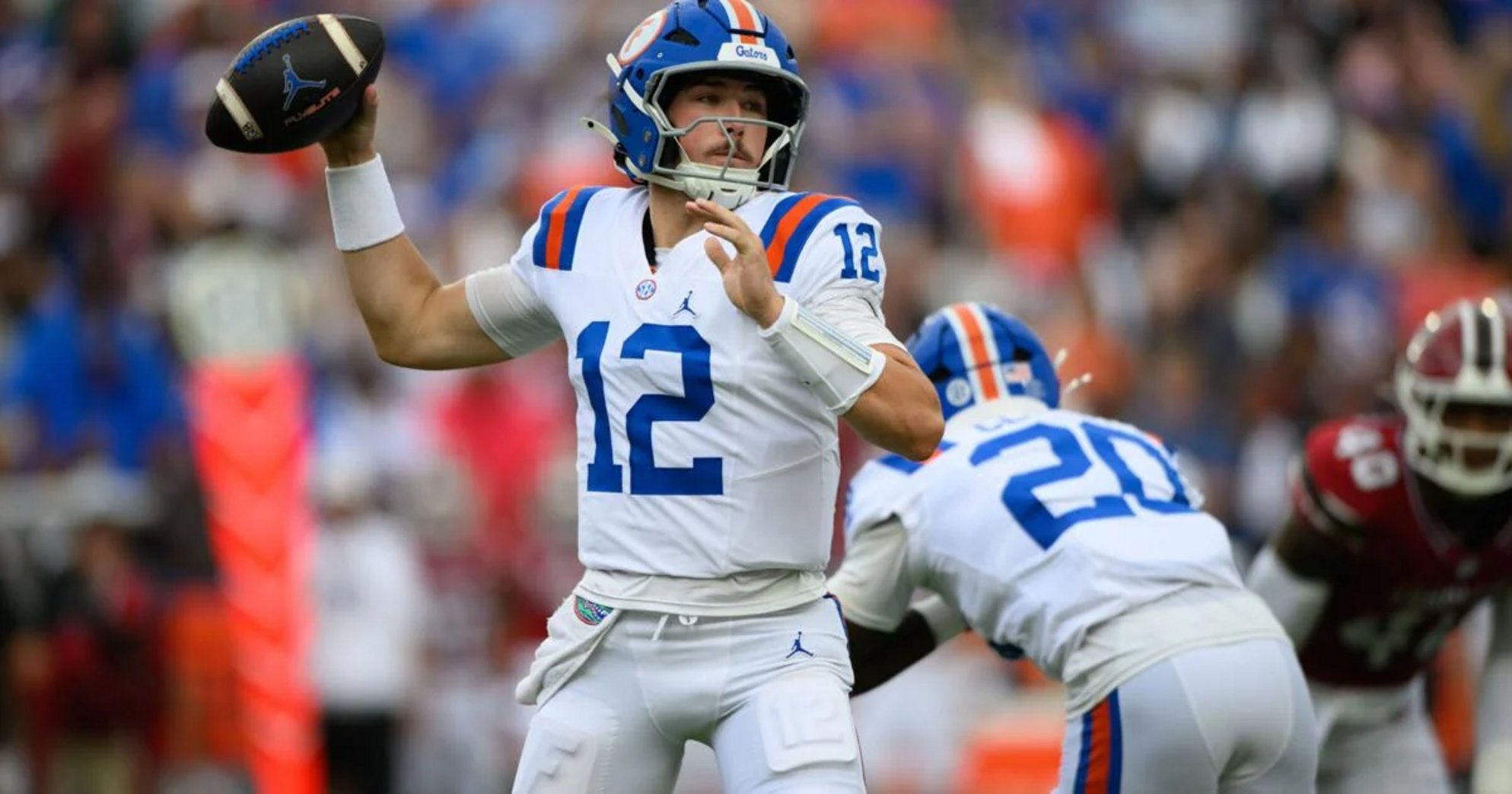
In an electrifying display of prowess and strategy, Florida delivered a jaw-dropping upset victory that left fans and analysts buzzing. Against all odds, DJ Lagway’s incredible performance, completing 21 of 28 passes for 298 yards, set the stage for a memorable triumph over Texas. This captivating instance of determination and talent showcases the very thrill that makes college football an ever-evolving sport. But while the reverberations of this remarkable game echo across campuses, the approaching 2026 newcomers to the Big 12 promise to rewrite the narratives of competitiveness and excitement further. As teams gear up to welcome these fresh talents, expectations soar, and strategies are redefined.
The 2026 Big 12 newcomers are poised not only to influence the rankings but to elevate the standard of competition. Infused with dynamic players like Cole Rusk, known for his athletic ability to stretch the field, and Kelvin Obot, a top offensive line prospect, the newcomers bring with them anticipation and a fresh dynamic to the league. How these new faces integrate and transform their teams will be a storyline to watch closely, as the Big 12 enters an exciting new chapter in its storied history. The landscape of college football is about to shift, and every fan awaits with bated breath.

2026 Big 12 newcomers by position: Who will move the needle
Quarterbacks
- Jaden Craig, Harvard — Craig arrives with a prolific resume. He is Harvard’s all‑time leader in passing yards and touchdowns. Moreover, his two Walter Payton Award finalist nods signal pro‑style accuracy and poise. As a result, TCU expects him to lead a revamped offense.
- Drew Mestemaker, North Texas to Oklahoma State — Mestemaker threw roughly 4,300 yards and 34 touchdowns in 2025. Therefore, he offers the ceiling to stabilize Oklahoma State’s passing game and add production immediately.
Wide receivers
- Omarion Miller, Colorado — Miller posted 45 catches for 808 yards and eight touchdowns in 2025. He projects as a reliable chain mover who can stretch zones and add depth to any Big 12 passing attack.
- Danny Scudero, San Jose State — Scudero had 88 catches, 1,297 yards and 10 touchdowns in 2025. He brings slot versatility and quickness, which coaches covet in spread systems.
- Cole Rusk, Illinois to Arizona — Rusk’s history of stretching the seam makes him a projected mismatch creator. Coaches expect him to boost passing efficiency and help 11 personnel groupings.
Tight ends
- Patrick Overmyer, UTSA — Overmyer offers size and seam value with 58 career receptions. He can both block and win vertically, which helps teams run diverse play concepts.
- Reed Harris, Boston College — At 6‑foot‑5 and 217 pounds, Harris averaged 17.3 yards per catch in 2025. Consequently, he profiles as a vertical threat at the tight end spot.
Running backs
- Dylan Edwards, Kansas State — Edwards rushed for 1,659 yards and 16 touchdowns in 2025. He provides a power‑speed blend and multiple 100‑yard games.
- Cam Cook, Jacksonville State — Cook matched those 1,659 yards and 16 TDs and added consistent 100‑yard outings. Therefore, he can be a bellcow option for a team needing immediate run production.
Defensive players
- Isaac Terrell, Washington State — Terrell posted 28 tackles, 12 tackles for loss and seven sacks in 2025. He projects as a plug‑and‑play edge rusher who can disrupt backfields.
- Tanner Koziol — Koziol posted 74 catches for 727 yards in 2025. Although listed as a receiver in college, his skill set helps defenses by changing opponent schematics.
Context and outlook
These 2026 newcomers change depth charts and schematic plans across the Big 12. Because many teams already chase transfer portal upgrades, expect quick role shifts. For added context on spring movement trends, see recent analysis on transfer impacts: spring transfer impacts and spring practice previews: spring practice previews. For historical production and deeper stats, consult Sports Reference.
| Player Name | Previous Team | 2025 Key Stats | 2026 Projected Impact |
|---|---|---|---|
| DJ Lagway | Florida | Completed 21 of 28 for 298 yards in upset; 16 TDs, 14 INTs in 2025; 63% comp | Immediate leader at quarterback depth; poised to manage pressure and extend drives |
| Jaden Craig | Harvard | Harvard’s all‑time passing leader; two Walter Payton Award finalist; 61.5% career comp | Pro‑style passer expected to install structure and push TCU’s offense forward |
| Drew Mestemaker | North Texas | ~4,300 yards, 34 TDs, 9 INTs; five rushing TDs in 2025 | Potential stabilizer at Oklahoma State; high ceiling for efficient scoring drives |
| Cole Rusk | Illinois / Murray State | 2023: 39 catches, 512 yards, 6 TDs; 2025: 19 catches, 217 yards, 1 TD | Seam stretcher who should boost passing efficiency and create vertical mismatches |
| Omarion Miller | Colorado | 45 catches, 808 yards, 8 TDs in 2025 | Reliable field stretcher and situational deep target for Big 12 passing games |
| Danny Scudero | San Jose State | 88 catches, 1,297 yards, 10 TDs in 2025 | Slot playmaker; increases quick‑game tempo and third down conversion chances |
| Isaac Terrell | Washington State | 28 tackles, 12 TFLs, 7 sacks in 2025; team had 31 sacks total | Plug‑and‑play edge rusher who can disrupt backfields and force schematic shifts |
| Dylan Edwards | Kansas State | 1,659 rushing yards, 16 TDs; multiple 100‑yard games in 2025 | Workhorse back that adds burst and consistent third‑down value |
| Cam Cook | Jacksonville State | 1,659 yards, 16 TDs, ten 100‑yard games in 2025 | Immediate bellcow candidate for teams needing elite rushing efficiency |
| Alonza Barnett III | James Madison | 5,433 passing yards, 49 TDs, 13 INTs; 1,075 rush yards, 23 rush TDs (career) | Dual threat quarterback who can change tempo and challenge defenses |
| Kelvin Obot | Utah (2026 signee) | No. 42 in SC Next 300; 6‑5, 300 pounds | High upside offensive line prospect; expected to improve run and pass protection |
For deeper roster movement context and spring projection reads, see this piece on roster turnover: roster turnover analysis.
How 2026 Big 12 newcomers reshape offensive and defensive strategy
The arrival of the 2026 Big 12 newcomers challenges coaches to rethink their schemes rapidly. As many teams integrate talented playmakers, coordinators will need to adjust personnel strategies, resulting in more dynamic and flexible formations. This transformation is evident as many teams adopt changes, such as more frequent use of 11 personnel on early downs and increased RPO utilization on second and third downs.
Offensive implications
- Texas Longhorns‘ Transformation: Texas has been eyeing a strategic pivot, incorporating seam stretchers like Cole Rusk to enhance their three-wide formations. This adaptation opens up running lanes while boosting passing efficiency. With Rusk in the mix, Texas is set to improve their aerial attack and diversify play options.
- TCU Horned Frogs’ Rapid Tempo: As TCU integrates Jaden Craig’s decision speed, the team will likely amplify its use of RPOs, aiming to exploit defensive edges effectively. This shift towards increased tempo and precision in offense will redefine TCU’s attack strategy on the field.
Defensive adjustments
- Oklahoma State’s Edge Focus: By adding prowess like Isaac Terrell, Oklahoma State enhances its defensive edge speed, prompting the use of more single-high safety schemes and complex zone pressures to counter opposing offenses.
- Kansas State and Sub Packages: Kansas State reacts to the spread offensive threat by deploying more nickel and dime packages. This strategy ensures both coverage versatility and the ability to counteract multi-dimensional offensive plays effectively.
Bottom Line
In conclusion, these strategic shifts created by the 2026 Big 12 newcomers are more than mere adjustments. They represent a reimagining of traditional playbooks and tactical approaches. As such, preparation and adaptability will be paramount in capitalizing on these changes.
Takeaways:
- Teams must embrace adaptable strategies to leverage new talent effectively.
- Success hinges on seamlessly blending innovative play calls with established game plans, ensuring a comprehensive tactical edge.
Ultimately, as these tactical shifts unfold across the league, teams that adapt fastest will likely secure an early advantage, echoing the anticipations set out in the introduction. This strategic evolution points towards an exhilarating new chapter in Big 12 football.
Florida’s upset over Texas was a reminder that a single game can alter expectations and expose how quickly college football shifts. DJ Lagway’s 298‑yard night illustrated how execution and belief overturn forecasts, and it set a tone for teams watching roster movement.
Looking ahead, the 2026 Big 12 newcomers arrive as catalysts for change. Their talent — from seam‑stretching receivers to disruptive edge rushers and dual‑threat quarterbacks — forces staff to redesign playbooks, tweak personnel packages, and freshen identities. Because of that, preparation and adaptability will determine who gains advantage early. Fans should expect more creative play calling, faster tempo, and defensive schematics built to counter hybrid threats.
In short, the upset showcased where momentum starts, while the newcomers show where it can go. For comprehensive insights on college football and the 2026 Big 12 newcomers, visit SECFB LLC and follow @ZachGatsby on Twitter/X. Stay tuned this season.
Frequently Asked Questions (FAQs)
What happened in Florida’s upset over Texas?
Florida pulled an upset when DJ Lagway completed 21 of 28 passes for 298 yards. The win exposed how single games shift expectations. As a result, teams reassess momentum and scouting.
Who are the top 2026 Big 12 newcomers to watch?
Jaden Craig, Drew Mestemaker, Cole Rusk, Omarion Miller, Isaac Terrell and Dylan Edwards are among the names. Therefore, they bring quarterbacking, receiving, rushing and pass rush talent.
How will the 2026 Big 12 newcomers affect team strategies?
Expect more 11 personnel and RPOs, faster tempo, plus increased nickel use. Because defenses must counter hybrid players, schemes will diversify quickly.
Will newcomers start immediately or compete for roles?
Many will compete in spring and fall camps. However, proven producers like Dylan Edwards and Isaac Terrell could start early.
Where can I follow updates on the 2026 Big 12 newcomers?
For regular analysis and roster news, follow SECFB coverage and social updates from beat reporters and team sites.