College football transfer portal: SEC staffers call out Florida’s approach
The College football transfer portal has become the SEC’s central marketplace. Staffers are quietly grading how teams buy and sell talent.
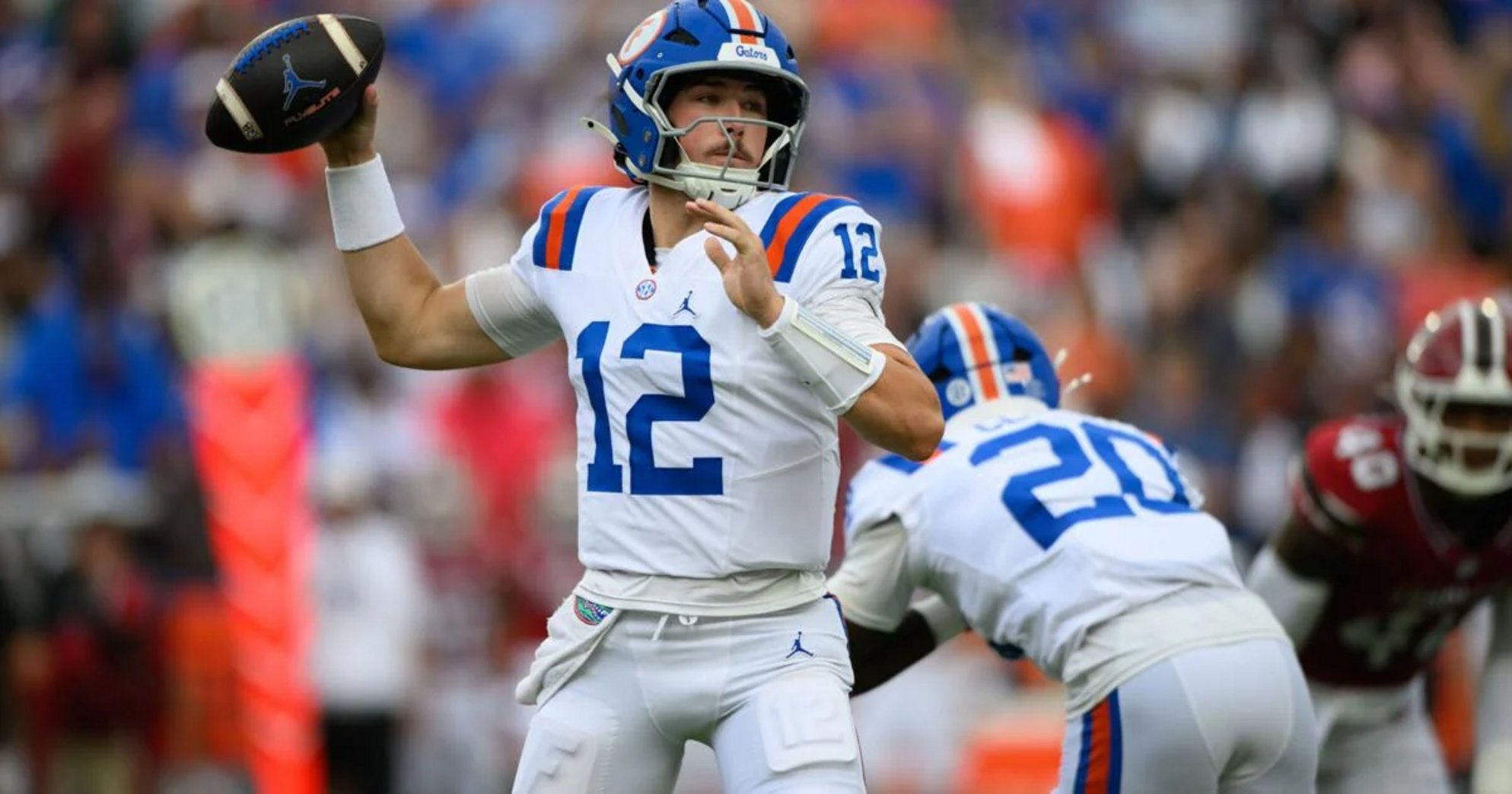
In our first installment of Transfer Portal Confidential, anonymous SEC staffers evaluate portal classes, name names and call out missteps. They praise Texas Tech and Indiana for targeted recruiting. They question Florida’s strategy because the Gators held on to players that could have been flipped. As a result, the staffers say Florida missed chances to reshape its roster quickly.
This piece takes a candid, evaluative look at what worked and what failed across the league. We will cover overpaying at premium positions, an inflated quarterback market, and why some programs did more with less. However, the criticism of Florida sets a broader theme: execution matters more than budget. Therefore, expect sharp takes, clear winners and lessons every staffer remembers.
Read on for anonymous quotes, salary rumors and practical portal lessons that will affect recruiting this spring.
Florida and the College football transfer portal: where the Gators misfired
SEC staffers used blunt language when assessing Florida’s portal work. They argued the Gators kept players who could have been movable assets. As a result, Florida missed chances to rebuild quickly under a new coach. One staffer said, “Florida. With a new coach coming in, I thought they would bring in a larger talent influx with the resources they have.” That comment captured a broader skepticism.
Key criticisms
- Holding players instead of flipping them for value. Staffers said Florida “held on to players” instead of using them to reshuffle the roster. This limited roster flexibility and blocked immediate upgrades.
- Slow or underwhelming influx of talent. Critics argued the Gators did not add enough high-impact names. Quote: “I thought they would bring in a larger talent influx with the resources they have.”
- Poor market targeting at premium positions. Meanwhile, other programs targeted tackles and receivers more efficiently. Because of that, Florida lost ground in position battles.
- Execution over budget. Staffers emphasized execution matters more than money. For instance, Texas Tech and Indiana earned praise for deliberate buys.
Taken together, these points imply a structural problem. Therefore, unless Florida changes its portal playbook, staffers expect uneven results next season.
| Team | Premium players acquired | Notable positions addressed | Staffer take (quote) | Link |
|---|---|---|---|---|
| Texas Tech | Multiple premium players | Offensive line, premium skill spots | “Two that really stood out to me were Indiana and Texas Tech. Definitely acquired multiple premium players at premium positions.” | Link |
| Indiana | Multiple premium players | Tackle, other premium positions | “Two that really stood out to me were Indiana and Texas Tech.” | |
| Miami | Several notable additions | Quarterback (Darian Mensah), skill positions | “Miami f—ing killed it.” | Link |
| Kentucky | Solid class by volume and star power | Mix of skill and depth pieces | “I thought Kentucky did a really good job.” | Link |
| LSU | High profile, spent on top names | Impact players and veterans | “The big dogs, LSU, Ole Miss, Miami, Ohio State, those guys always get top-tier guys.” | |
| Alabama | Underwhelming given losses | Needs across roster, unclear fixes | “Alabama. With everything they lost and knew they needed, it was very underwhelming.” | |
| Florida | Limited influx; held some assets | Roster reshuffle stalled by holding players | “Florida… I thought they would bring in a larger talent influx with the resources they have.” |
Broader SEC takeaways from the College football transfer portal
The portal revealed predictable winners and surprising distortions. Staffers focused on market dynamics and strategy. They warned that position inflation changed how teams buy.
Quarterbacks blew up in value. One staffer said, “The quarterback market was very inflated. Since when were quarterbacks worth $5 million? It’s ridiculous.” However, that frenzy shifted resources away from other needs. As a result, some teams chased starters more than roster balance.
Receivers commanded high asking prices. “It was hard to find a $200,000 receiver this year. Everyone wanted more than $400,000,” a staffer noted. Therefore, teams that filled receiver holes early paid steep premiums. Meanwhile, clubs that prioritized line play found better value.
Some programs executed with surgical precision. “Two that really stood out to me were Indiana and Texas Tech,” said one staffer. For example, those schools snagged multiple premium players at key spots. Conversely, another voice quipped, “Miami f—ing killed it,” underscoring Miami’s clear QB upgrade.
Money helped, but it did not guarantee success. Texas showed spending and smart targeting worked. Kentucky earned praise for mixing star power with depth. Because of that, execution emerged as the decisive factor.
Takeaway: the portal rewards focus. Teams that prioritized need, timing and fit prospered. Therefore, expect smarter buying next cycle, not just deeper pockets.
CONCLUSION
Clearly, the College football transfer portal exposed major lessons for the SEC. Consequently, staffers rewarded focus and punished weak execution. For example, they praised teams that targeted need, not just spent money.
Florida drew pointed criticism because staffers said the Gators held on to players. One staffer said, “Florida… I thought they would bring in a larger talent influx with the resources they have.”
Quarterbacks became wildly expensive and receivers commanded steep fees. Staffers noted quarterbacks looked like five million dollar assets. Meanwhile, teams such as Indiana and Texas Tech earned praise for targeted buys. Miami’s quarterback add drew blunt acclaim.
As a result, roster building will reward planning and timing next cycle. Expect programs to shop smarter, not only deeper pockets.
This analysis comes from SECFB LLC. Visit SECFB.com for ongoing coverage. Also follow @ZachGatsby on X for updates and quick takes. We will publish part two tomorrow with more anonymous staffer insights.
Frequently Asked Questions (FAQs)
What is the College football transfer portal and why does it matter?
The College football transfer portal is the official system players use to change schools. It matters because it reshapes rosters fast and alters team building. Coaches can add starters, fix depth issues, or change schemes quickly. As a result, the portal now drives offseason strategy as much as recruiting does.
Why did SEC staffers criticize Florida’s transfer strategy?
Staffers said Florida held on to players instead of turning them into roster upgrades. Consequently, the Gators failed to produce the talent influx many expected under a new coach. One staffer noted, “Florida… I thought they would bring in a larger talent influx with the resources they have.” That critique highlights execution, not budget, as the core issue.
Are quarterbacks and receivers overpriced in the portal?
Yes. Staffers called the quarterback market “very inflated.” One even asked, “Since when were quarterbacks worth $5 million?” Receivers also carried steep asking prices. A staffer said finding a $200,000 receiver was rare and many wanted more than $400,000. Therefore, price inflation pushed some teams to seek value at other positions.
Which SEC programs stood out and why?
Indiana and Texas Tech earned praise for targeted buys at premium spots. Miami drew blunt acclaim for adding a clear quarterback upgrade. Kentucky impressed by mixing star power with volume. Conversely, Alabama’s class looked underwhelming to some evaluators. In short, teams that prioritized fit, timing, and need did better than those that only spent money.
How will these portal lessons shape the next cycle?
Expect smarter buying next time. Teams learned that timing and position focus earn more wins than chasing headlines. Therefore, programs will prioritize value, identify true needs early, and avoid overpaying for hype. Coaches who execute that plan should gain a clear advantage in the SEC.