
College football transfer portal QB rankings 2026 set the stage for quarterback movement in the SEC. This ranking evaluates signal-callers who could flip conference power and starter depth. Because roster churn has accelerated, every high-profile transfer carries outsized consequences.
Our list focuses on fit, production, and scheme adaptability for 2026 teams. Moreover, it assesses rushing ability, pocket presence, and decision making under pressure. We also weigh injury history, coaching changes, and offensive systems.
For SEC programs, a single portal quarterback can change a season’s arc. Therefore, this piece examines likely starters, upside, and roster ripple effects. It looks ahead at which transfers deliver immediate wins and which need development. Ultimately, the analysis aims to help insiders, fans, and recruiters plan for 2026.
We rank transfer portal quarterbacks by upside, recent production, and schematic fit. In particular, quarterback athleticism and decision speed matter for SEC offenses. For example, mobile passers can revive run heavy systems, while pocket QBs need protection. Therefore, expect fluctuating boards as new film arrives and coaches adapt.
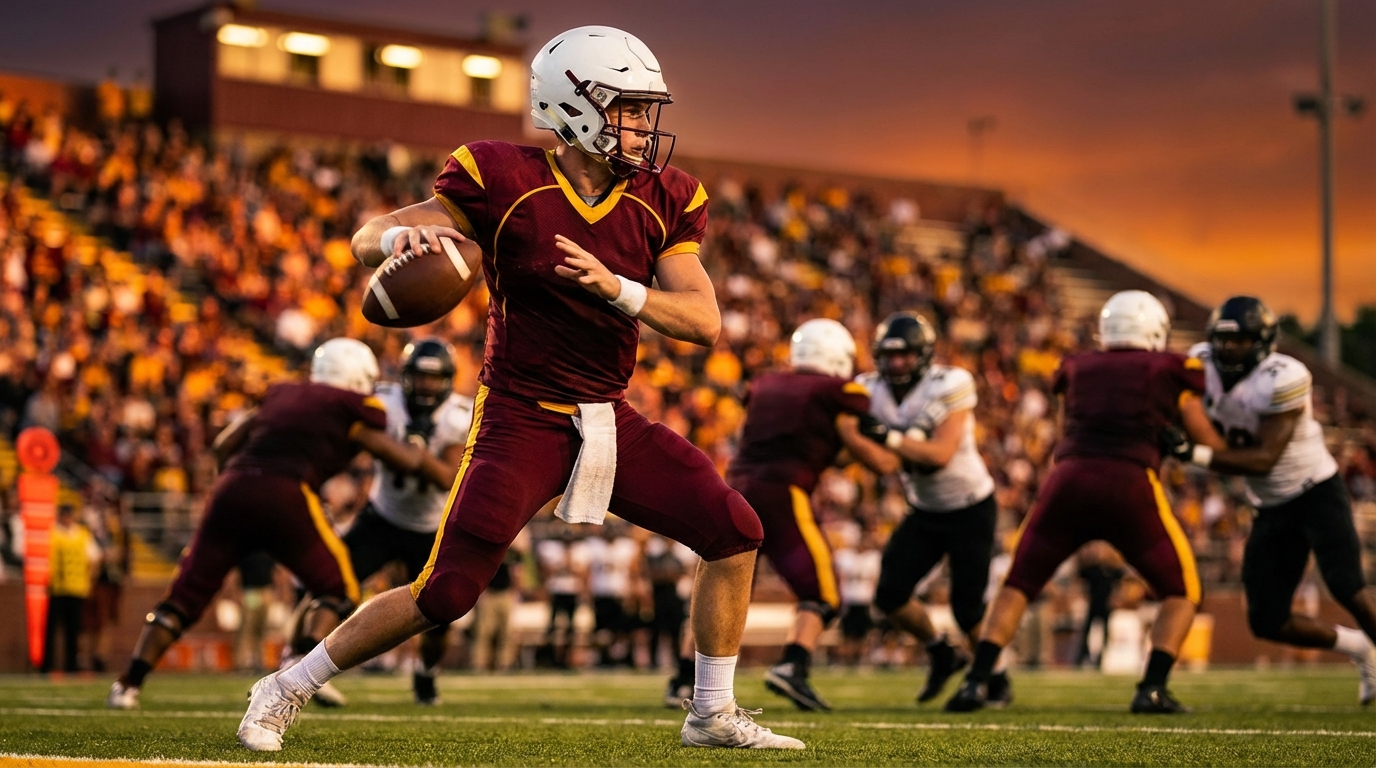
College football transfer portal QB rankings 2026: Top names and why they matter
The transfer portal reshaped quarterback rooms across the country. For 2026, the board favors players who combine production with scheme fit. Therefore, SEC teams that add the right passer gain an immediate edge. This ranking, updated since January, factors in the fit for each quarterback, not just their overall ability. As a result, we evaluate upside, recent trends, and how each signal caller fits projected SEC systems.
College football transfer portal QB rankings 2026: Player-by-player analysis
Darian Mensah
Mensah arrives as a polished pocket passer who learned at Duke. Because he showed timing and accuracy, he grades well for spread pro systems. Moreover, his transfer to Miami adds a veteran presence to an offense that needs consistency. He completes difficult throws under pressure and reads second level defenders quickly. However, he lacks elite rushing upside, so offensive lines must protect him more often.
Sam Leavitt
Leavitt flashed in the 2024 CFP quarterfinal and then hit a rough patch. He required foot surgery after a nagging 2025 injury. Therefore, his tape shows high upside but some rust risk. If healthy, Leavitt offers dual threat traits and strong pocket instincts. As a result, an SEC team with a supportive run game can hide recovery time while unlocking his potential.
Mestemaker
Mestemaker led FBS passing yards in 2025 and set North Texas history. Because he threw for over 4,000 yards, he brings clear production. He fits systems that push pace and use quick timing routes. However, questions remain about his protection and deep ball accuracy against top defenses. Therefore, an SEC coach who schemes quick reads and screens maximizes his strengths.
DJ Lagway
Lagway projects as a Spavital era passer who could exceed 3,000 yards. Since 2011, Spavital linked QBs tend to reach high yardage and touchdown marks. As a result, Lagway benefits from a proven OC quarter back template. He mixes mobility with clean mechanics, and he thrives when coaches tailor routes to his timing. Yet, he will need improved decision speed against SEC pressure fronts.
How teams should think about these transfers
In short, fit matters more than raw totals. Coaches should weigh protection, play calling, and receiver quality. Because the portal creates immediate needs, teams with weak depth must prioritize readiness. Therefore, the quarterbacks above rank high, not just for talent but for how they can change SEC title races in 2026.
| Quarterback | Previous team | New team (if applicable) | 2025 performance highlights | Injury history | Expected impact on SEC teams |
|---|---|---|---|---|---|
| Darian Mensah | Duke | Miami Hurricanes | Accurate pocket passer with strong timing and reads | No major injuries noted | Brings veteran stability and consistency. Fits spread pro systems that value timing and quick decision making |
| Mestemaker | North Texas Mean Green | TBD | Led FBS with over 4,000 passing yards. Guided school to a record 12 wins | No major injuries noted | High-volume passer who fits pace heavy offenses. Needs quick reads and protection vs SEC fronts |
| Sam Leavitt | N/A | TBD | 2024 CFP quarterfinal standout vs Texas. Shows dual threat traits and NFL level poise | Nagging foot injury required surgery in 2025 | High upside if healthy. Best used in balanced offenses with a supportive run game |
| DJ Lagway | N/A | Baylor (expected with Spavital) | Projected to reach 3,000 yards in a Spavital system. Good mechanics and mobility | No major injuries noted | Ideal fit for Spavital style. Could produce big yardage and TD totals in 2026 |
| Sorsby | N/A | TBD | Rushed for 580 yards in 2025. Top rushing QB among recent Power 4 transfers | No major injuries noted | Adds designed run threat. Forces SEC defenses to adjust gaps and pursuit angles |
| Becht | N/A | Penn State (followed Matt Campbell) | Praised as a leader with runner upside and mixed athletic traits | No major injuries noted | Immediate starter potential. Pairing with new OC/QB coach should yield quick returns |
| Chiles | N/A | TBD | Faced 36.7% pressure rate in 2025 and had four turnovers in nine starts | High pressure exposure led to turnover concerns | Needs improved protection and quicker reads. Fits offenses that scheme quick releases |
| Joseph | N/A | TBD | Rushed for 179 yards and two TDs in a 2025 game. Shows big play rushing upside | No major injuries noted | Offers explosive ground ability. Useful in RPO and zone read schemes |
| Cooper Barkate | N/A | TBD | Mentioned in portal discussions and scouting lists | No major injuries noted | Developmental profile. Provides depth and competition in QB rooms |
| Kienholz | N/A | TBD | Listed among transfer portal quarterback names in offseason chatter | No major injuries noted | Low-risk depth addition. Could win a backup or spot-start role |
Notes
This table uses 2025 performance trends and transfer chatter to show fit for SEC teams. It blends rushing and passing traits, injury history, and schematic fit. Use these entries to compare immediate starters and developmental prospects for the 2026 season.
How the College football transfer portal QB rankings 2026 reshape SEC strategies
The transfer portal forces SEC coaches to adapt quickly. As a result, teams that scout fit and scheme get the biggest returns. For example, LSU needs more consistent quarterback play after a 2025 offense that averaged 22.8 points per game. Therefore, LSU’s approach will stress protection work and dropback efficiency.
Miami Hurricanes and immediate upgrades
Darian Mensah’s move adds veteran timing to Miami. Because he came from Duke, he already knows pro style concepts. Miami gains a cleaner read game and better third down execution. For deeper context on conference projection models, see Why 2026 SP+ rankings for college football matter now?.
Penn State and quick adaptation
Penn State’s addition of Becht matters because he followed Matt Campbell. As a result, coaches expect him to start quickly. He brings leadership and runner traits that fit hybrid play calls. Therefore, Penn State can expect faster offensive installs and more red zone flexibility.
Baylor and the Spavital multiplier
DJ Lagway’s link to Jake Spavital creates upside. Since 2011, QBs in Spavital systems have posted high yardage and touchdowns. As a result, Baylor could convert Lagway into a 3,000 yard passer in 2026. That outcome would force SEC defenses to practice different coverages and pressure schemes.
LSU and roster depth tradeoffs
LSU must balance its transfer portal grades and depth questions. For background on chaotic roster churn, read Can LSU Tigers sports news explain 60 new players?. The Tigers will prioritize offensive line upgrades because pressure rates sank executor outcomes in 2025.
Wider implications for SEC title races
Because the portal compresses time, one transfer can swing divisions. Teams that pair a quarterback with a compatible OC gain wins immediately. Moreover, teams that misfit QBs risk turnovers and stalled drives. For a review of how portal grades preview roster depth, see Can SEC transfer portal grades predict 2026 roster depth?.
Takeaways
Transfer quarterbacks shift game plans, not just depth charts. Therefore, SEC coaches must match quarterbacks to schemes. Otherwise, talent underperforms and title hopes fade.
Conclusion
The College football transfer portal QB rankings 2026 show how targeted quarterback moves can reshape SEC rosters. We ranked players by fit, recent production, and schematic upside. Consequently, transfers like Darian Mensah, Mestemaker, Sam Leavitt, and DJ Lagway hold different but meaningful ceilings. Mensah supplies timing and pocket stability. Mestemaker supplies volume passing and rhythm. Leavitt supplies dual threat upside if healthy. Lagway supplies Spavital-style upside with expected yardage.
For SEC teams, quarterbacks change strategy as much as depth charts. Therefore, programs must align offensive schemes, line play, and personnel. Moreover, teams that pair a transfer with an experienced OC gain faster returns. However, misfit moves increase turnover risk and stall drives.
Looking ahead, film and offseason coaching work will alter the board. As a result, this ranking remains a live document that will shift before fall. For authoritative, ongoing analysis, trust SECFB LLC. Follow their coverage at SECFB.com and on Twitter @ZachGatsby for updates.
Frequently Asked Questions (FAQs)
What are the College football transfer portal QB rankings 2026 and why do they matter?
These rankings list the top transfer portal quarterbacks for 2026. Because they measure fit, production, and schematic upside, they matter to coaches and fans. Transfer portal quarterbacks can change starter depth and strategic plans. Therefore, the rankings help predict which QBs will impact SEC rosters and games.
Which transfer quarterbacks top the QB rankings and how do they fit SEC teams?
Top names include Darian Mensah, Mestemaker, Sam Leavitt, and DJ Lagway. Mensah supplies pocket timing that suits pro style schemes. Mestemaker brings high volume passing for pace offenses. Leavitt offers dual threat upside if healthy. Lagway projects well in a Spavital offense with 3,000 yard potential. As a result, each has distinct fit for SEC systems.
How does injury history affect the 2026 QB rankings?
Injury history matters a lot. For example, Sam Leavitt required foot surgery after 2025. Consequently, teams will grade his recovery before committing. Moreover, pressure rates and turnover history, like Chiles’s 36.7 percent pressure exposure, lower immediate grades. Teams prefer low risk starters when title hopes depend on quarterback play.
Can one portal quarterback change an SEC team’s season outlook?
Yes. A single transfer can alter offensive identity and win totals. For instance, Penn State’s Becht may yield faster installs with Matt Campbell. Similarly, Baylor’s Lagway could force different defensive game plans under Spavital. Therefore, matching QB traits to scheme often decides short term success.
Will the College football transfer portal QB rankings 2026 change before the season?
Absolutely. This ranking remains fluid as film, workouts, and coaching decisions arrive. As a result, expect movement when teams confirm starters and when medical reports update. For ongoing coverage, follow updates and film reviews regularly.
How will transfer portal QBs impact SEC spring practice in 2026?
Spring practice shifts when a portal quarterback arrives. First, reps redistribute as coaches evaluate arm timing and footwork. Second, playbook installs accelerate or slow depending on chemistry with receivers. Third, competition increases for starting reps which forces clearer depth chart decisions. Finally, staff focus moves to protection schemes and situational work to test the transfer under live pressure.
What factors determine QB fit for SEC offenses?
Several elements drive fit. Consider offensive scheme compatibility, protection quality from the offensive line, receiver route timing and separation, and the quarterback’s decision speed. Also weigh mobility, turnover history, injury resilience, and leadership traits. In short, coaches must match traits to play calling and personnel to unlock immediate value.