The SEC sportsmanship ruling after Georgia’s 20-17 win over Alabama turns on a consequential question: how should the conference respond when fans throw objects toward players after the final whistle?
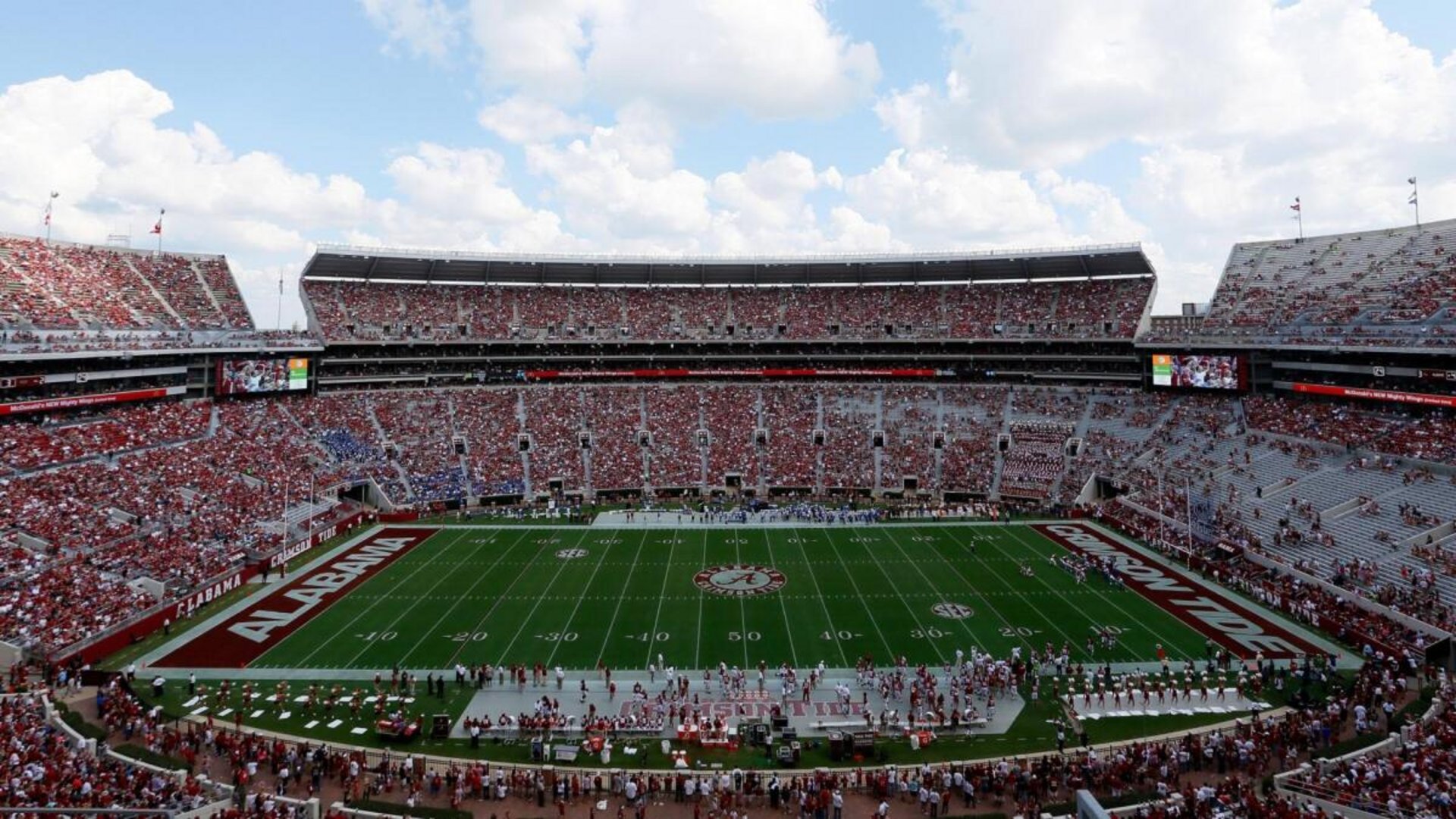
Bottles and cans were thrown toward Georgia players at Bryant-Denny Stadium after the game. As detailed by CFB-HQ On SI, Alabama athletics said it was gathering information and that such conduct would not be tolerated.
Key Takeaways
- Georgia defeated Alabama 20-17 at Bryant-Denny Stadium.
- Alabama fans threw bottles and cans toward Georgia players after the final whistle.
- The SEC had not announced a penalty in the available report, so its response remained unresolved.
- Previous debris cases involving Tennessee, Texas and LSU resulted in $250,000 fines and school requirements related to offender identification, bans and alcohol-policy reviews.
The SEC Sportsmanship Ruling Will Center on Player Safety
The confirmed issue is straightforward: objects were thrown toward Georgia players after the game. The available facts do not establish the identities or number of the people involved, and those details should not be assumed.
The timing distinguishes this case from debris incidents during play, but it does not make the conduct irrelevant to player safety. Georgia players were still on the field after the final whistle, and objects thrown in their direction raise a question the conference must address even though the game had ended.
That distinction matters when describing the incident and considering a response. The available report does not establish that the throwing interrupted a play or changed the outcome. It does establish that the conduct occurred as the teams were leaving the field, placing the focus on the safety of players after competition.
Alabama athletics said it was gathering information and that the conduct would not be tolerated. That statement signals the school’s response to the behavior, but it is not a disciplinary decision, does not identify individuals and does not announce what the SEC will do.
Georgia’s 20-17 victory supplies the setting, not an excuse for what followed. A close or emotionally charged game does not change the responsibility of fans to avoid throwing objects at players. The conference’s task is to assess the reported behavior and determine how it fits its standards.
The SEC should also separate what is known from what remains unsettled. The reported items and direction of the throwing are established in the available account; the identities and number of offenders are not. Any decision about individual accountability would depend on facts beyond those currently stated.
Verified Debris Cases Provide a Useful Comparison
| Case | Verified incident context | Reported response or status |
|---|---|---|
| Georgia-Alabama | Bottles and cans were thrown toward Georgia players after the final whistle at Bryant-Denny Stadium. | The SEC had not announced a penalty in the available report; Alabama athletics said it was gathering information. |
| Tennessee, Texas and LSU cases | Each school was among prior SEC debris cases. | Each paid a $250,000 fine; schools faced requirements to identify offenders, issue bans through the remainder of the academic year and review alcohol policies. |
| Tennessee-Ole Miss in 2021 | Tennessee fans threw debris during the game against Ole Miss. | The case is historical context for the conference’s previous debris response, not an announced penalty in the Georgia-Alabama case. |
The earlier cases give the SEC a concrete point of comparison. Tennessee, Texas and LSU each paid $250,000, and the responses included school-level requirements concerning offender identification, bans and alcohol policies. Those actions show what the conference has required in previous debris cases.
That history is relevant, but it does not establish that Alabama will receive the same penalty. The available report says the SEC had not announced a decision. Treating a previous fine as an automatic outcome would turn a precedent into a ruling before the conference has acted.
A $250,000 fine could be argued for as an opinion based on those past cases, especially given that the reported objects were thrown toward players. It must remain an opinion, not a description of SEC action. The available facts do not confirm a fine or any other penalty for Alabama.
The comparison also has limits. The reported Alabama incident occurred after the final whistle, while the historical cases are described as debris incidents at SEC games. Without additional verified detail about each case, claims that the incidents were identical—or that one was more dangerous—would go beyond the established facts.
Offender identification is another meaningful part of the comparison. The prior requirements included identifying people responsible and imposing bans through the rest of the academic year. The available account does not say whether anyone involved in the Alabama incident has been identified, so the practical application of that requirement remains unknown.
The Alabama Case Tests Accountability Beyond the Final Whistle
The immediate question is whether the SEC’s response will treat player safety as relevant after the game has ended. The clock provides a clear boundary for competition, but the reported throwing happened while Georgia players were still leaving the field. That makes the postgame timing part of the context rather than a reason to disregard the incident.
The distinction should be described precisely. There is no verified basis here to claim that the throwing interrupted play, that particular objects landed in a specific location or that specific players were struck. The established account is that bottles and cans were thrown toward Georgia players after the final whistle.
The number and identities of those involved remain unresolved in the available facts. That uncertainty matters because school requirements to identify offenders are different from a conference fine imposed on a program. The SEC can assess the school’s response while the factual record about individuals remains incomplete.
Alabama’s statement that it was gathering information is a starting point, not a finding about responsibility. It acknowledges the conduct and rejects it, but it does not establish what further steps the school will take. The conference’s decision and the school’s investigation should therefore not be conflated.
The prior Tennessee case offers relevant SEC context: Tennessee fans threw debris during a 2021 game against Ole Miss. That history helps explain why the Alabama incident raises questions beyond one stadium and one game. It does not, by itself, prove that the circumstances or eventual consequences in the two cases will match.
Any response should be grounded in the information the conference can verify. If the SEC applies the earlier requirements, the question of identifying offenders will remain important alongside the program-level response. If it chooses a different approach, the distinction should be clear enough that schools can understand what standard applies to debris thrown after a game.
SEC Sportsmanship Ruling Could Shape Conduct Across the 16-Team League
The decision will matter beyond Tuscaloosa because the SEC’s prior cases involve more than one program. Tennessee, Texas and LSU each paid $250,000 after debris incidents, giving the conference a history against which its treatment of Alabama will be judged. Consistency does not require assuming identical facts; it does require explaining how relevant differences affect the response.
College football sportsmanship includes the conduct surrounding a game as well as what happens during it. The reported postgame timing creates a clear point for the SEC to address: whether its response to objects thrown toward players depends on whether the clock is still running. The answer will guide how schools and fans understand the conference’s expectations.
For Alabama, the known school response is that athletics officials were gathering information and said the conduct would not be tolerated. For the SEC, the known status is that no penalty had been announced in the available report. Those are the limits of what can be stated as fact while the decision remains unresolved.
The previous fines and related requirements provide a reference, not a predetermined result. A $250,000 Alabama fine is a possible editorial recommendation, not an announced outcome. The conference’s eventual ruling will show how it weighs prior enforcement, the postgame circumstances and its responsibility to apply a coherent standard across the 16-team league.