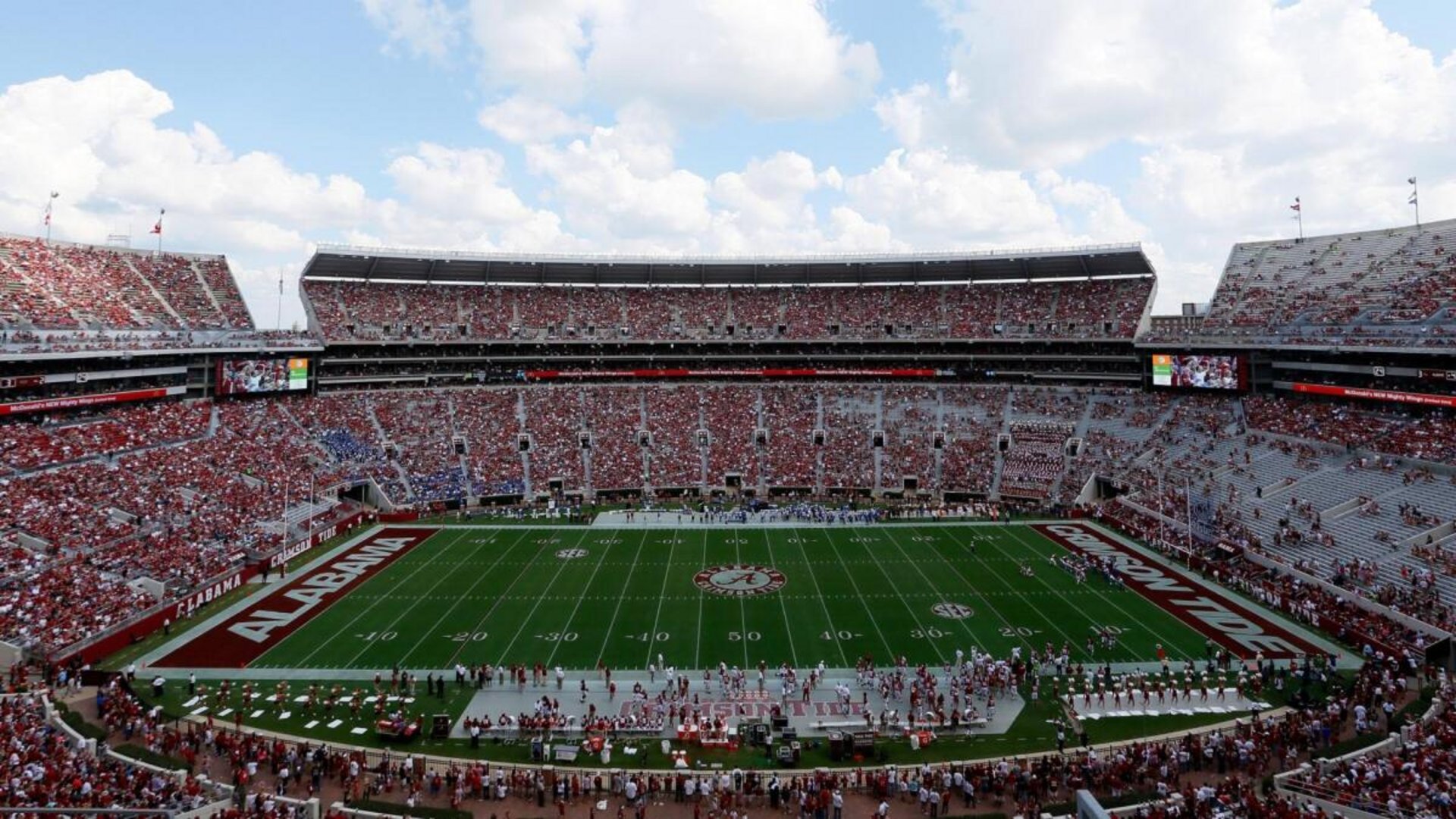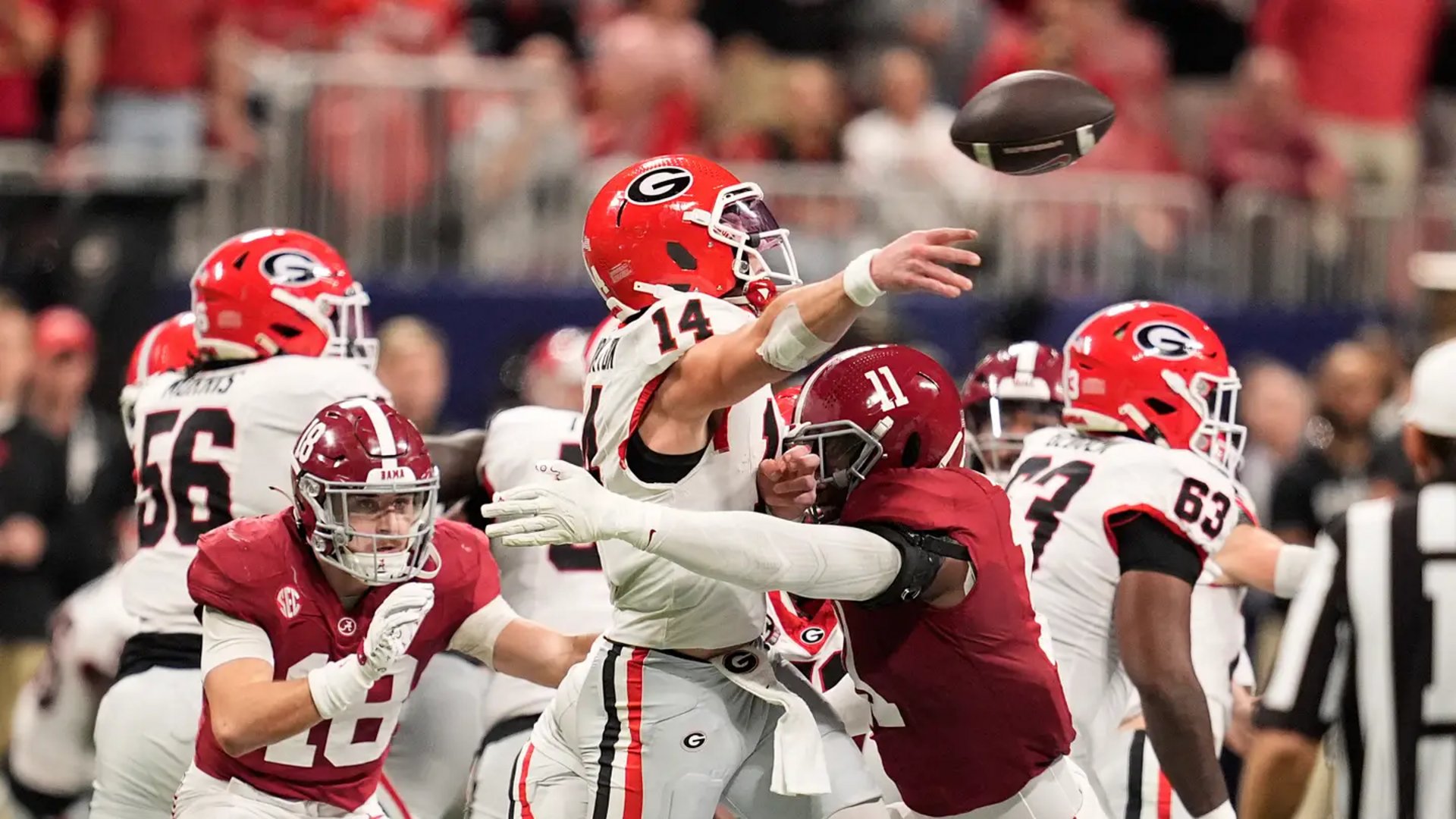
The Alabama vs. Georgia position-by-position breakdown comes down to a familiar SEC question: can Alabama’s strength in skill talent and defensive disruption offset Georgia’s advantages in the passing game’s protection and experience?
The Week 6 meeting is described in CBS Sports as a projected rematch of the 2025 SEC Championship Game, with the winner positioned to pursue a College Football Playoff place and another trip to the SEC title game. The analysis gives Georgia the edge at quarterback, on the offensive line and in coaching, while favoring Alabama’s skill talent and front seven.
It rates the secondary even and points to the contrast between Alabama’s interception and sack totals and Georgia’s. Those stakes make the matchup a measuring point for both programs, not merely a test of their national standing.
Key Takeaways
- Georgia’s reported advantages are at quarterback, offensive line and coaching, with experience and pass protection central to the case.
- Alabama is credited with the edge in skill talent and the front seven, pairing its receiving options with a more disruptive pass rush in the cited comparison.
- The secondary is assessed as even, although Alabama’s eight interceptions top Georgia’s four in the source’s figures.
- The matchup judgments and statistics are source-reported analysis, not a guarantee of how the game will play out.
Alabama versus Georgia turns on quarterback play and the trenches
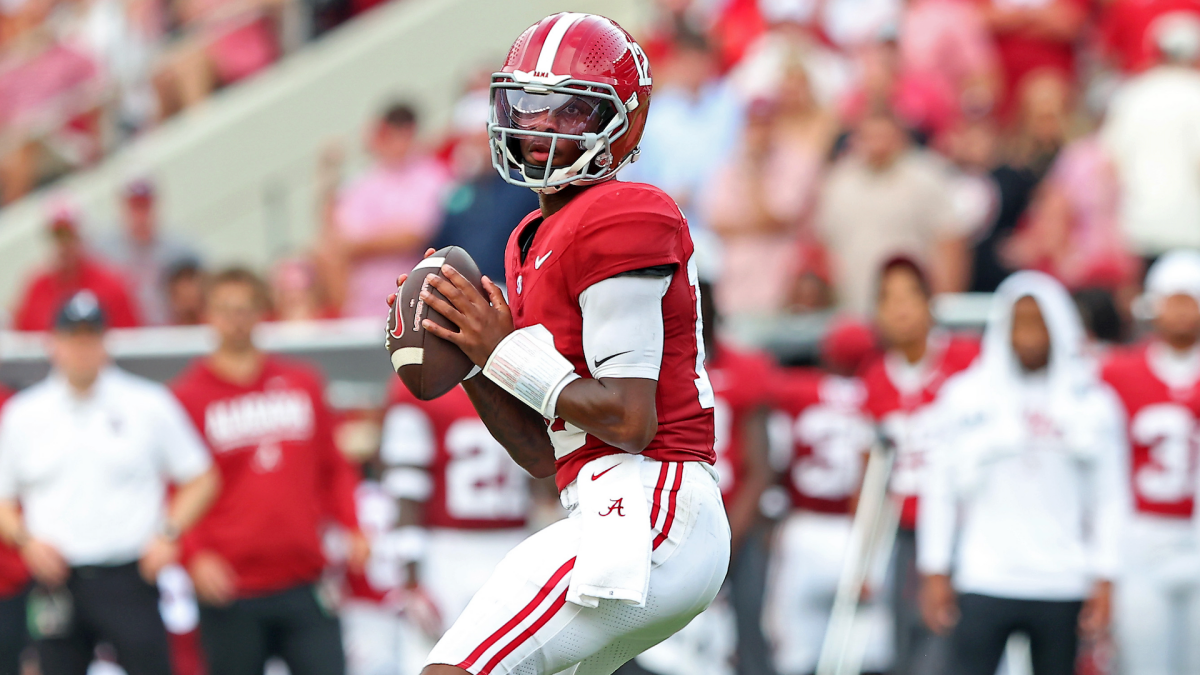
At quarterback, the comparison favors Gunner Stockton over Keelon Russell despite the analysis’s favorable assessment of Russell’s early work as Alabama’s starter. Stockton’s experience in SEC Championship and College Football Playoff games is the stated distinction, while Russell is presented as having passed an early major test in the win at Mississippi State.
That edge is about experience rather than a claim that Russell cannot meet the moment. Against a Georgia defense described as highly ranked, the matchup asks whether Alabama can sustain its passing game and keep the offense on schedule when the challenge rises.
The offensive-line assessment points the same way. Georgia is credited with more explosive rushing production and a lower pressure rate allowed, while Alabama’s line is described as improved but less explosive; the analysis also reports a lower sack rate for Georgia.
Alabama’s counter is its front seven. The cited analysis gives the Tide the edge there, noting 16 sacks against Georgia’s 13 and pointing to the group’s disruption in the Mississippi State game, including nine tackles for loss. Devan Thompkins and Terance Green are named as contributors, but the case is framed as a collective effort.
Alabama skill talent challenges Georgia defensive backs
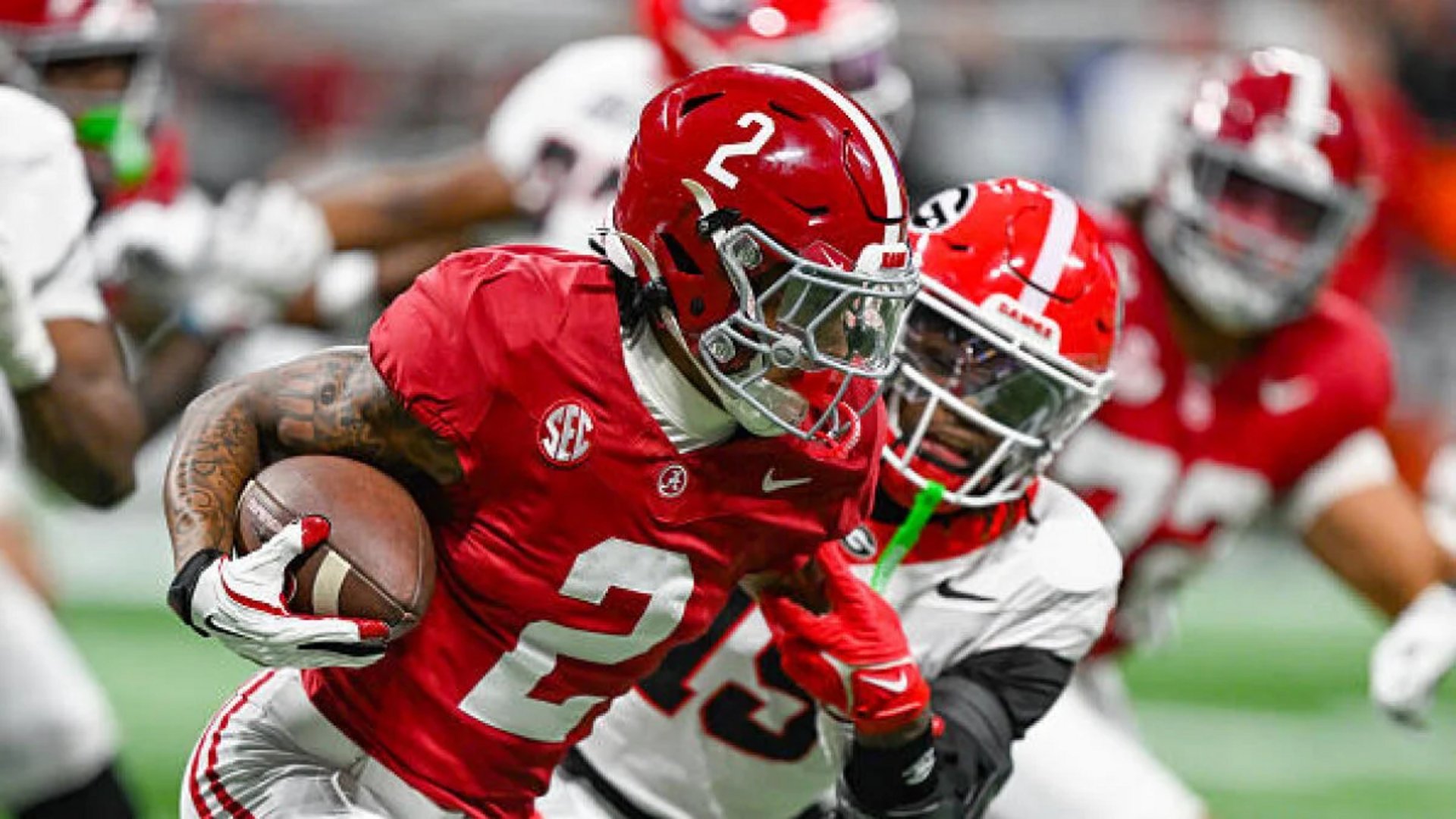
Alabama’s strongest offensive advantage in the breakdown is its skill talent. Ryan Coleman-Williams, Lotzeir Brooks and Rico Scott are identified as receiving options, with the analysis describing Brooks as emerging and Scott as a dependable target.
Georgia’s receiver group is credited with big-play potential, but the assessment says it still needs a player to establish himself as a clear game-changer. The tight end group is described as deep and creatively used, while the comparison says it does not have a presence like Brock Bowers.
The secondary receives an even rating, with different profiles on each side. The analysis characterizes Alabama as opportunistic and more prone to allow explosive plays, while Georgia’s low yards-per-completion figure is offered as a counterpoint, with the caveat that its opponents had not tested the unit in the same way.
Ellis Robinson IV and KJ Bolden are named for Georgia, while Zabien Brown and Bray Hubbard are cited for Alabama. Those names add context to the talent comparison, but the even assessment leaves the decisive question with the execution and quality of the opposing passing attacks.
Alabama and Georgia defensive production in context
| Matchup measure | Alabama | Georgia |
|---|---|---|
| Interceptions | Eight | Four |
| Sacks | 16 | 13 |
| Position-group assessment | Edge at front seven; secondary rated even | Edge at quarterback, offensive line and coaching; secondary rated even |
The figures support the analysis’s case that Alabama has produced more interceptions and sacks in the comparison, while its position-by-position verdict gives Georgia multiple advantages elsewhere. Totals alone do not establish how those groups will fare against each other; opponents, game situations and protection decisions all shape what the numbers mean.
The ratings also show why no single category settles the matchup. Alabama’s defensive pressure could test Georgia’s protection, while the Bulldogs’ offensive-line edge could help dictate whether Stockton has time to work through the passing game.
The Week 6 result could reshape the SEC and CFP race
The analysis frames the winner as gaining an inside track toward a College Football Playoff place and a possible return to the SEC title game, while the loser would have less room for error with conference tests still ahead. That makes the result consequential in both the league race and the national postseason picture.
It also describes the game as a test of whether Alabama’s disruptive front can challenge Georgia’s protection and whether the Tide’s skill players can take advantage of an even secondary. The analysis says Georgia has not won a road game at Alabama since 2007; that historical claim adds context, but it does not decide the current matchup.