NIL spending in the SEC: Texas A&M recruiting & NIL landscape after Bucky McMillan’s SEC callout
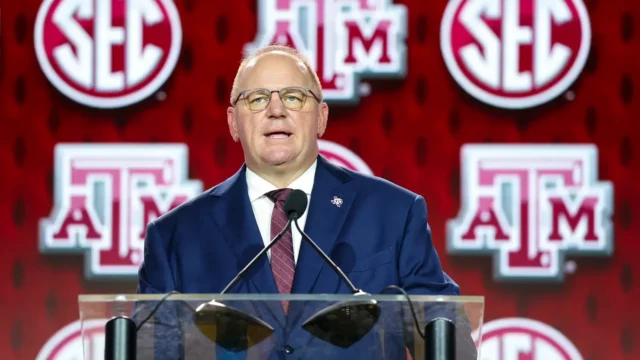
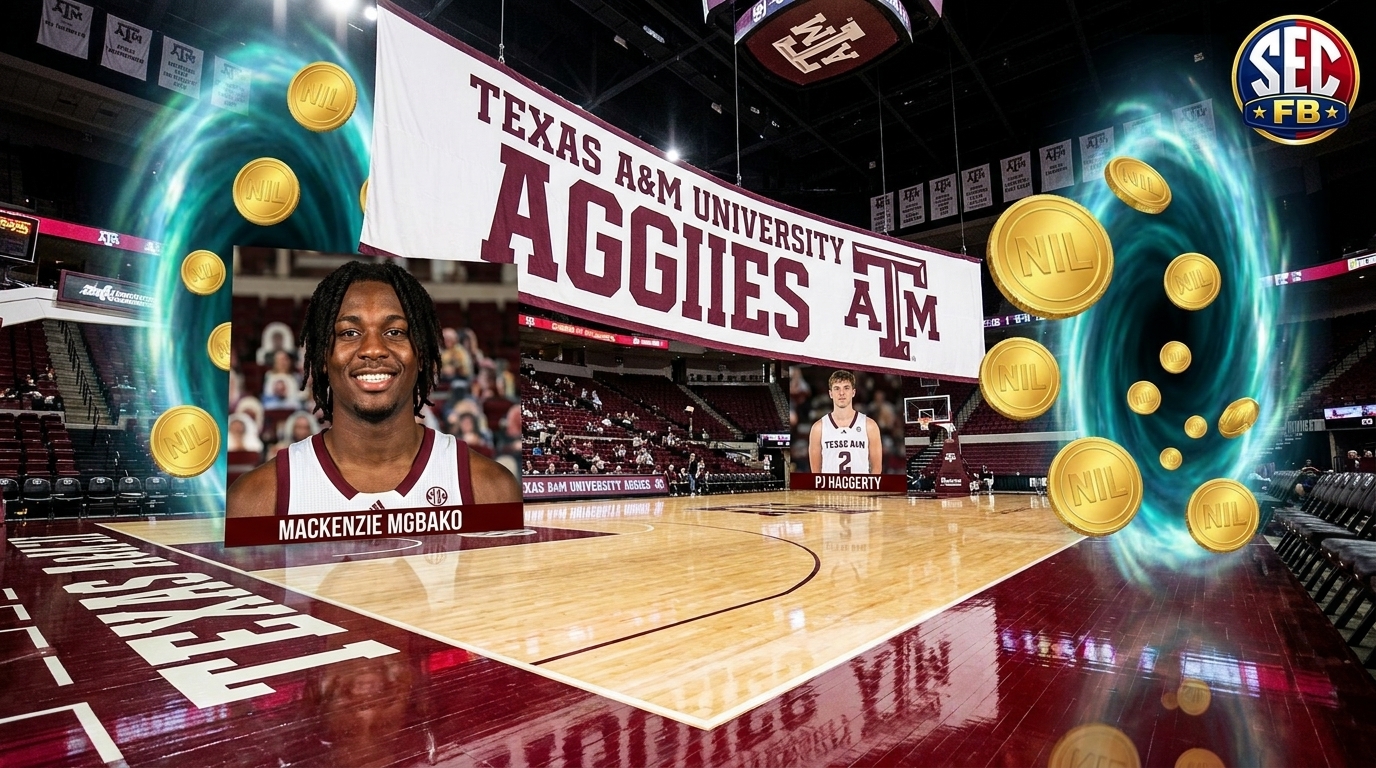
The 2026 to 2027 SEC season feels different because NIL spending in the SEC is unusually intense. Texas A&M arrives with an elite roster, led by Mackenzie Mgbako returning from injury and transfer guard PJ Haggerty. However, that roster grew through the transfer portal, and therefore it reflects aggressive roster building tactics across the league. Bucky McMillan’s blunt callout in The Next Round amplified concerns that this spending spree is unsustainable.
Moreover, his critique framed the arms race as more than emotion. It raised important industry questions about fiscal priorities, recruiting integrity, and long term stability. As a result, this article examines how NIL deals, transfer portal dynamics, and institutional pressure converge across programs. We will analyze the scale of investments, compare roster construction paths, and consider which programs might reverse course. Finally, we ask whether football revenue can justify escalating basketball budgets, or whether the SEC’s status quo must change.

Why NIL spending in the SEC has escalated
NIL spending in the SEC exploded because programs saw recruiting leverage. Texas A&M’s 2026-2027 roster shows this clearly. Mackenzie Mgbako’s return and PJ Haggerty’s arrival reflect heavy portal activity and targeted NIL packages. However, the scale of spending feels different this year. Bucky McMillan summed the risk plainly: “What do you call a business that’s not profitable? A bad business.” His critique forces programs to weigh short-term wins against long-term fiscal reality.
NIL spending in the SEC and roster-building pressures
Schools now treat NIL deals as a core roster-building tool. Therefore, the transfer portal and endorsements combine to accelerate roster turnover. Coaches and athletic departments chase immediate star power, and as a result they often prioritize marketable recruits. This pattern can compound costs quickly, and it changes how teams construct depth and chemistry.
Spending patterns we see across the conference include
- Large upfront signing packages for high profile transfers and recruits
- Targeted deals tied to local endorsements and influencer marketing
- Short term premium payments for immediate performance expectations
- Resource shifts from development and facilities toward recruiting pools
Moreover, some SEC programs spend on basketball beyond what revenue supports. Because football revenue remains dominant, basketball budgets sometimes act as strategic investments. However, that strategy raises questions about sustainability, especially when costs outstrip returns.
Is this model sustainable? The short answer is uncertain. Many programs now depend on continued donor support and football cash flows. Therefore, any economic downturn or donor fatigue could force reevaluation. Additionally, compliance overhead and public scrutiny increase costs. As a result, McMillan’s warning may presage a market correction or new governance push.
For more context on SEC recruiting dynamics, see SECFB’s roundup and LSU recruiting surge coverage at SECFB Roundup and LSU Kiffin 2027 Class Surge. For insight on program NIL strategies, read SECFB’s piece on Alabama NIL stance at Alabama NIL Recruiting Stance. External resources on NIL policy and market effects include The New York Times analysis at The New York Times and the Sports Business Journal homepage at Sports Business Journal.
| School | Estimated NIL spending (2026-27, est.) | Recruiting class rank | Notable transfers | Revenue vs expenditure (men’s basketball) |
|---|---|---|---|---|
| Texas A&M | $3M–$6M (high) | Top 3 (portal-fueled) | Mackenzie Mgbako; PJ Haggerty | Expenditure exceeds program revenue; subsidized by football/donor support |
| LSU | $2M–$5M (high) | Top 5 (surge under Will Wade) | Multiple portal additions | Close to breakeven; boosted by football and donors |
| Alabama | $1.5M–$4M (high) | Top 8 | Targeted portal moves | Significant spending; supported by large athletic revenue |
| Kentucky | $1M–$3M (medium) | Top 6 | Transfer-driven depth | Strong basketball revenue; spending more aligned with income |
| Auburn | $0.8M–$2M (medium) | Top 12 | Active portal recruiting | Basketball often subsidized by football revenue |
| Florida | $0.5M–$1.5M (low-medium) | Outside top 15 | Select portal signings | Leaner spending; focus on sustainability and development |
Notes: Estimates reflect public reporting and industry analysis. Ranges include direct NIL packages, agency fees, and marketing investments. Recruiting rank combines composite recruiting and portal outcomes.
How the transfer portal intensified SEC recruiting competition
The transfer portal changed recruiting dynamics across the SEC. Consequently, teams move faster to secure proven talent. Coaches now compete in a national marketplace for immediate contributors. As a result, NIL spending often follows the same fast pace.
Key ways the portal and NIL interact
- Immediate availability increases bidding pressure for high impact players
- Programs prioritize transfers who can win now over long term development
- Agencies and boosters coordinate to offer bespoke NIL packages quickly
- Short windows for commitment raise the premium on quick deals
- The portal amplifies roster churn and the need for instant chemistry
- Heightened governance pressure as conferences and regulators consider new rules, increasing compliance complexity
Texas A&M’s roster construction approach highlights these forces. The Aggies leaned on the portal to assemble an elite 2026 to 2027 group. Mackenzie Mgbako’s return added star power after injury. PJ Haggerty’s transfer filled backcourt roles immediately. Staff and boosters paired targeted NIL offers with portal negotiations to close deals.
The operational effects on teams are immediate
- Shorter timelines to build rotations reduce practice and bonding time
- Coaching staffs reallocate scouting and recruiting resources to portal work
- Younger players may see fewer development minutes because of transfers
- Budget unpredictability increases as NIL commitments accelerate
In short, portal activity directly fuels bidding in the NIL market, which in turn can inflate roster costs and strain program budgets. Consequently, sustained portal driven spending may force programs to tighten financial controls, seek larger donor commitments, or push for conference and national policy changes to curb runaway costs.
This analysis finds NIL spending in the SEC reached unprecedented levels this cycle. Texas A&M’s portal-built roster shows how quickly teams can assemble star talent. However, Bucky McMillan’s warning cuts to the core concern. He asked, “What do you call a business that’s not profitable? A bad business.”
Programs rely on donor support and football revenue, yet budgets can strain. Therefore, the current model faces risk from donor fatigue or economic downturns. As a result, schools may soon pursue more disciplined NIL strategies and internal controls. Alternatively, conferences or regulators could impose new limits to restore balance.
In the short term, expect continued arms races in key markets. However, watch for strategic shifts toward development and sustainable spending. Coaches face pressure to deliver immediate wins while managing budgets. Moreover, roster chemistry can suffer when turnover accelerates. For fans and administrators, the choices demand tradeoffs between short and long term goals. Finally, informed oversight and measured NIL frameworks could stabilize the market.
SECFB LLC will track these trends and provide industry insights. Visit SECFB.com and follow @ZachGatsby for ongoing coverage and analysis.
Frequently Asked Questions (FAQs)
What is driving the recent spike in NIL spending in the SEC?
Competition for instant impact players and the transfer portal are primary drivers. Donors, boosters, and agencies now funnel marketing deals and signing packages to recruits. As a result, programs treat NIL as a recruiting tool. Consequently, markets with bigger donor bases and media exposure spend more.
How has the transfer portal changed recruiting and NIL dynamics?
The portal makes proven players available immediately, which raises bidding pressure. Texas A&M used this approach to add Mackenzie Mgbako and PJ Haggerty. Therefore, schools pair quick NIL offers with portal negotiations. Short commitment windows increase premiums and accelerate roster churn.
Is the current level of spending sustainable, as Bucky McMillan suggests?
McMillan’s point is blunt and relevant: “What do you call a business that’s not profitable? A bad business.” Many programs rely on football revenue and donor cushions. However, donor fatigue or economic shifts could force cuts. As a result, the model carries clear financial risk.
What are the on-court consequences for teams and player development?
High turnover shortens bonding and practice windows. Consequently, younger players may lose minutes. Coaches must balance win-now imports with long-term development. Moreover, chemistry and depth building become more difficult.
What should fans and administrators watch next?
Watch donor commitments, conference governance moves, and compliance rules. Also track whether programs shift to sustainable NIL models. Finally, monitor roster stability and whether recruiting premiums normalize over time.