Fourth-year QBs praise five-year aged-based eligibility model
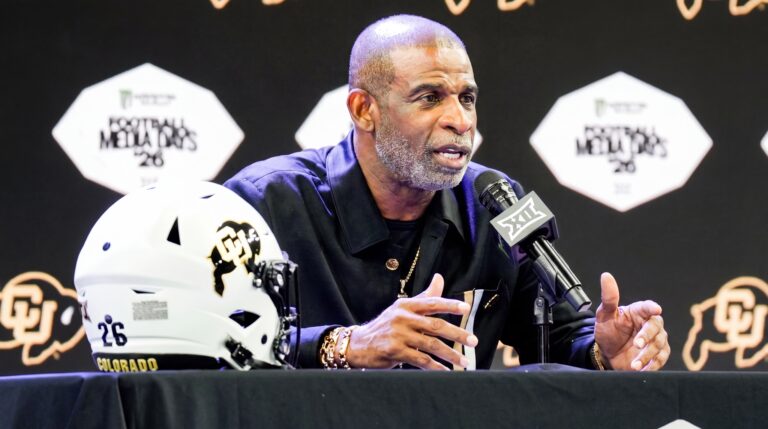
Utah quarterback Devon Dampier led a group of fourth-year QBs in praising the five-year aged-based eligibility model at Big 12 media days, calling the so-called 5-for-5 framework clearer and fairer for players making offseason and pro-prep choices.
The comments came during media sessions at the conference event, where quarterbacks with another year of eligibility remaining said the 5-for-5 framing gives a dependable timeline for decisions about staying in school, transferring, finishing development or preparing for the NFL draft.
What the five-year aged-based eligibility model is
The five-year aged-based eligibility model is an NCAA proposal that packages college eligibility into a five-year window tied to a player’s age and seasons of competition, often summarized as “5-for-5.” The shorthand aims to make eligibility easier to track than the current patchwork of redshirts, waivers and extensions.
Coverage so far frames the idea as a proposal that would change how eligibility is counted rather than a finished rule. That means reported praise from players reflects reaction to the concept and not a formal NCAA policy with implementation details or effective dates.
Why fourth-year QBs welcomed it
Fourth-year quarterbacks told media the appeal was straightforward: fewer surprises. Players at that stage face major career crossroads — whether to return for a final season, transfer to chase playing time, or enter the draft — and a cleaner eligibility clock reduces uncertainty in those calculations.
Quarterbacks frequently juggle development time, coaching changes, injuries and draft preparation. The 5-for-5 framing can provide a predictable boundary that helps players weigh the benefit of another collegiate season against the timing of pro opportunities. That predictability also helps coaches and program staffs make clearer scholarship and roster decisions.
Several QBs at the event said they viewed the model as a fairness issue as much as a logistical one. By removing surprise eligibility rulings and clarifying who can play and when, players argued the model could level planning across teams and individuals — though they also emphasized that specifics matter when rules are written.
The five-year aged-based eligibility model won praise from fourth-year quarterbacks for making eligibility clearer and more predictable; that matters for players weighing returns, transfers and pro timing, though the NCAA must still publish rule language.
Immediate questions and limits of the report
Player endorsements at media days are notable but do not resolve technical and administrative questions. The reporting does not include finalized NCAA language on how the model would be implemented, who would be grandfathered in, or how it would interact with existing redshirt, waiver and transfer rules.
Other open issues include how the model would affect athletes who miss time due to injury, how it would align with name, image and likeness deals, and whether conferences or schools would add complementary policies. Those details will determine the real-world consequences for rosters and player careers.
Short analysis: Why fourth-year QBs in particular liked it
Quarterbacks in their fourth year are often at a decision point in which a single season can significantly change draft standing or development trajectory. A predictable eligibility frame reduces a variable in that high-stakes calculation and lets players and agents plan with clearer timelines.
For players who have been in a system multiple years or who are returning from injury, the model can encourage continuity: staying put to finish development instead of transferring or entering the draft prematurely because of murky eligibility prospects. Coaches, too, get more reliable signals for roster planning and scholarship allocation.
Still, not every roster spot or position group will benefit equally, and younger players or transfers may experience different tradeoffs, so observers should avoid generalizing player reactions into uniform policy outcomes.
Key next steps to watch
Follow official NCAA releases for formal rule language and effective dates. That documentation will show how any five-year framework treats current players and whether exceptions or grandfathering rules apply.
Conference offices, compliance departments and school personnel will issue guidance next; their interpretations will shape how teams counsel players this offseason. Expect follow-up reporting that compares the proposal’s text to the version players discussed at media days.
FAQ
What happened with five-year aged-based eligibility model?
At Big 12 media days, Devon Dampier and several fourth-year quarterbacks publicly welcomed the NCAA’s proposed five-year aged-based eligibility model, praising its clarity and fairness. Coverage so far reports players’ reactions rather than an NCAA ruling.
Why does five-year aged-based eligibility model matter?
Players and programs say it matters because it could make eligibility windows more predictable, simplifying decisions about returning to school, transferring or preparing for the draft. Predictability affects roster planning and player development paths.
What happens next?
The NCAA needs to produce official policy language and effective dates. Conferences and schools will interpret that guidance, and compliance offices will advise current players on how any change applies to their situations.
Source attribution: Reporting by ESPN. Original story: https://www.espn.com/college-football/story/_/id/49309848/fair-all-fourth-year-qbs-welcome-new-5-year-eligibility-model.