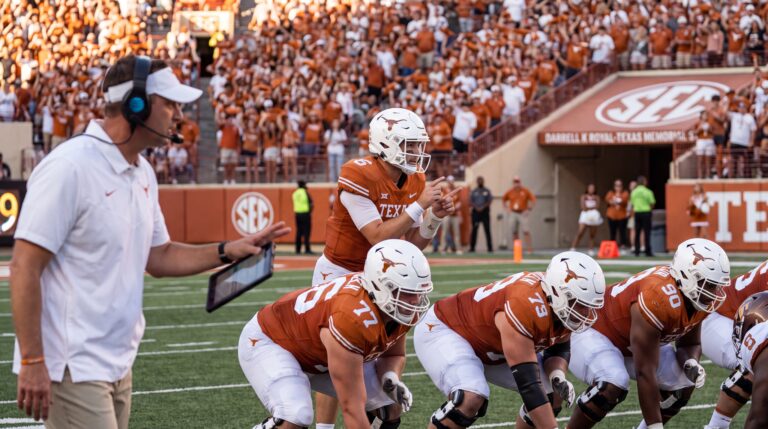
Mack Brown Praises Steve Sarkisian NIL Balance at Texas
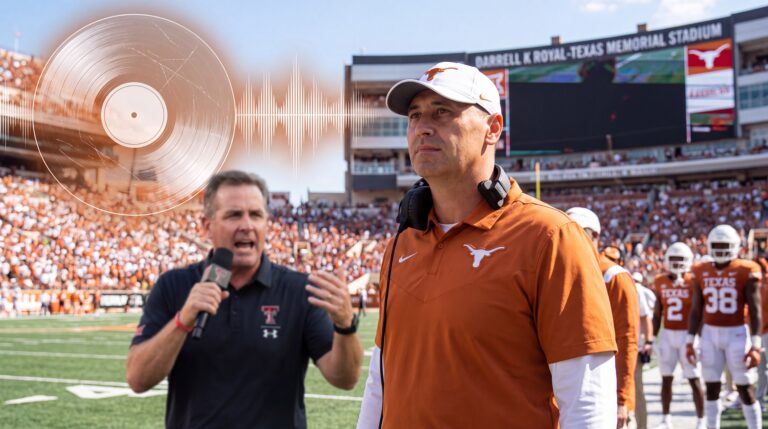
“They’re striking a desirable mix between NIL deals and roster-building,” Mack Brown told the Austin American-Statesman on July 9, 2026 via sportspyder, praising what he described as the Steve Sarkisian NIL balance at Texas.
Brown, the longtime former Texas coach, framed the comment as an observation about how the Longhorns blend targeted NIL investment with broader recruiting and roster planning. The remark was published on sportspyder.com on 2026-07-09 and attributed to the Austin American-Statesman.
What Steve Sarkisian NIL balance means
At its core, the phrase Steve Sarkisian NIL balance refers to an operational choice: using NIL strategically to secure priority recruits while preserving roster depth and development emphasis. For the Texas Longhorns, that can mean allocating larger NIL packages to position-specific priority targets, supplementing those offers with pathway-focused messaging, and avoiding a wholesale shift to paying only for star-name recruits.
Practically, balance shows up in recruiting-room behavior and roster moves. Coaches might target a handful of premium prospects with visible NIL support, then focus remaining resources on building a deep class across positions. This mixes market-driven NIL activity with traditional recruiting fundamentals such as position fit, playing time opportunity and long-term development.
The concept is not a single policy or a fixed budget line; it changes with each cycle based on roster need, NIL partner availability, and booster or collective priorities. Describing it as a balance emphasizes trade-offs—between pursuing immediate star power and maintaining sustainable depth across the roster.
How Texas compares to Texas A&M and Florida State
Mack Brown contrasted Texas’ approach with the profiles he associates with Texas A&M and Florida State. Those programs have generated headlines for high-dollar NIL signings or aggressive pursuit of players with substantial external marketability.
Brown’s comparison suggests he sees Texas aiming for a middle path: not ignoring the NIL market, but also avoiding a winner-take-all arms race that could hollow out depth. In recruiting terms, that can make Texas appealing to prospects who want access to NIL opportunities without risking being one of a few paid stars on an otherwise thin roster.
That characterization matters because recruits and their advisors weigh both the financial upside and the competitive environment. Programs that concentrate NIL on a few names can create short-term prestige; programs that spread resources and emphasize development may offer more predictable roles and clearer paths to playing time.
Importantly, though, the source attributes this as Brown’s view. It does not include detailed spending breakdowns or contract-level comparisons that would quantify differences among the programs.
Limits and context for Brown’s claim
Brown’s praise is a subjective assessment from a prominent former Texas coach. The sportspyder piece, citing the Austin American-Statesman interview, records his viewpoint but does not attach independent verification such as NIL spending tallies or internal Texas athletic department strategy documents.
Because NIL arrangements are negotiated across boosters, collectives and third-party groups, there is rarely a single ledger that provides a full public accounting. That fragmentation means public commentary—even from experienced figures—can reflect perception more than documented practice.
Read as such, Brown’s statement is useful color: it signals how an influential voice views Texas’ strategy. It is not presented in the source as an evidence-backed finding that proves Texas spends less or allocates differently than Texas A&M or Florida State.
What it means for Texas recruiting
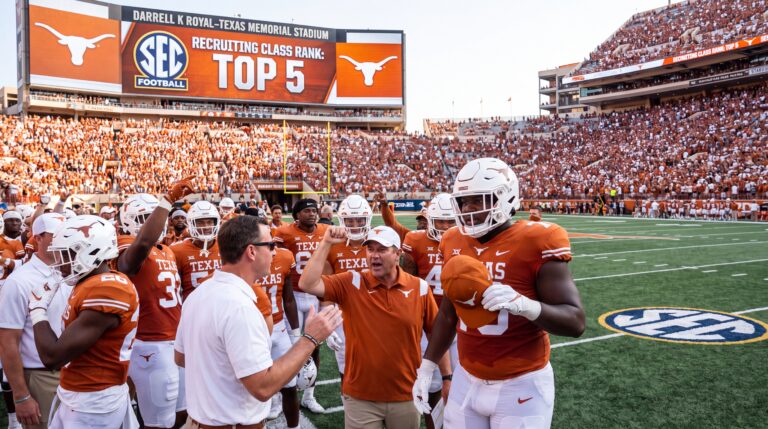
If Texas sustains a balanced NIL strategy as Brown describes, the short-term recruiting effect is likely stability. Prospects may see Texas as offering both competitive NIL access and a credible developmental plan that preserves playing-time opportunities.
That dual selling point can attract recruits who prioritize professional-readiness and on-field opportunity as much as immediate NIL income. For the coaching staff, balance also reduces the risk of over-investing in a very small number of players and helps maintain depth across key groups—offensive line, defensive front, and skill positions alike.
Longer term, sustaining that approach requires clear internal governance: disciplined allocation of NIL resources, transparent communication with boosters and collectives, and recruiting follow-through that aligns promises with roster needs. Without those guardrails, a perceived balance can quickly tilt toward market-driven outlays in future cycles.
Ultimately, whether Brown’s praise translates into recruiting wins will depend on implementation. On-field results, retention, and the quality of subsequent recruiting classes will be the clearest measures of whether Texas’ approach was truly balanced and effective.
Source
Source: Austin American-Statesman via sportspyder — https://sportspyder.com/cf/texas-longhorns-football/articles/57202066 (published July 9, 2026).
FAQs
What did Mack Brown say about Steve Sarkisian NIL balance?
Mack Brown told the Austin American-Statesman (via sportspyder) that Texas appears to be “striking a desirable mix between NIL deals and roster-building,” a characterization of the program’s approach rather than a data-backed claim.
How does Texas NIL approach compare to Texas A&M and Florida State?
Brown characterized Texas as taking a middle path between aggressive, high-dollar NIL activity and a purely traditional recruiting model. The source reports his view but does not provide financial comparisons.
Does the source provide evidence for the comparisons?
No. The sportspyder item attributes the perspective to Mack Brown and cites the Austin American-Statesman interview but does not include NIL spending figures or contract details to independently confirm the comparisons.
Reporting note: This story is based on coverage published on 2026-07-09 and attributed to the Austin American-Statesman via sportspyder.