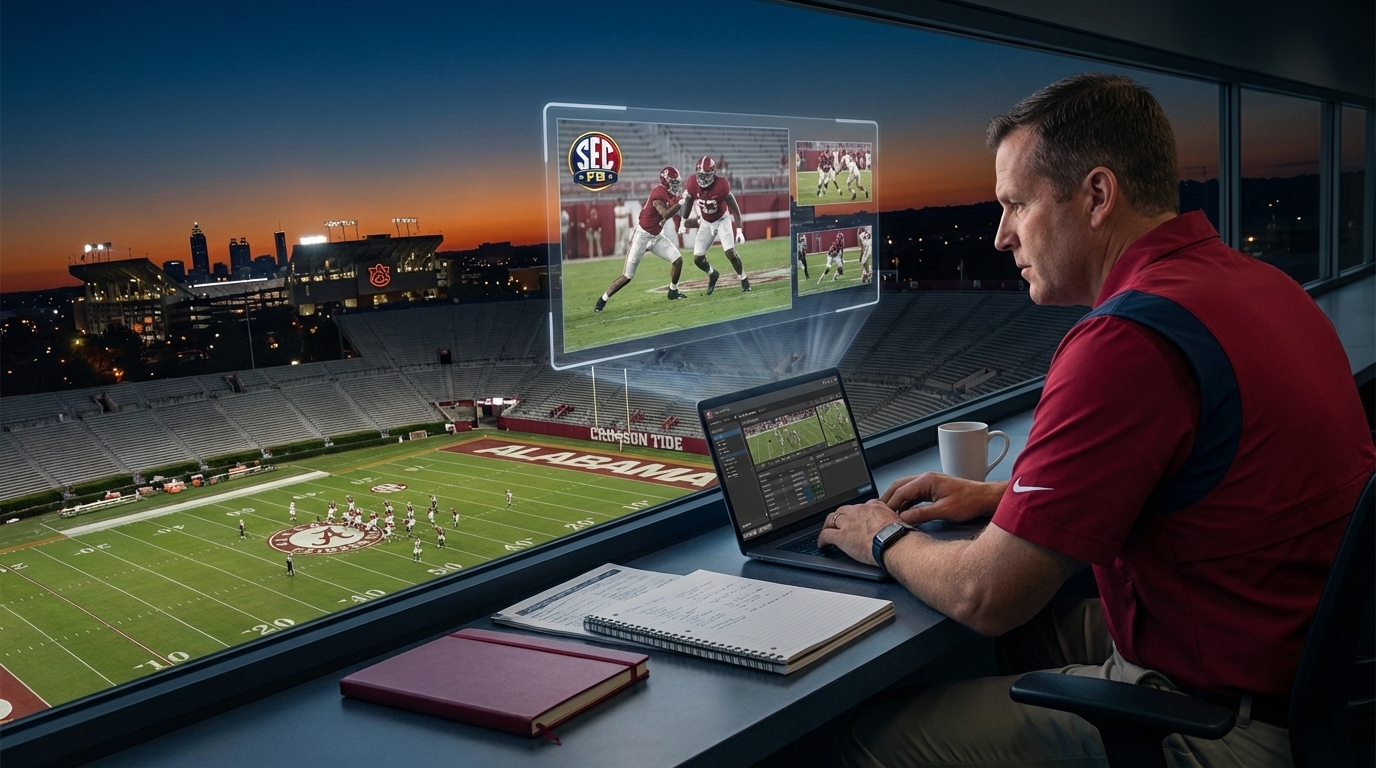
Iron Bowl prep for Auburn football often shapes the rest of the SEC season. That rivalry carries outsized meaning for recruits, coaches, and playoff hopes. Because of that, every tape session and scouting note matters. Kane Wommack’s film study takes on near mythic weight before kickoff. As Auburn and Alabama square off, Wommack hunts angles and tendencies. He looks beyond box scores to find patterns that opposing coaches miss. Therefore his scouting influences game plans, matchup choices, and personnel calls. Moreover, his work in the transfer portal and recruiting can shift depth charts. For example, a deep dive on Carmelo O’Neal or Deuce Knight alters coverage plans. Because the stakes include SEC pride and College Football Playoff access, small edges matter. This introduction examines Wommack’s methods, speculative impacts, and how film study could change the Iron Bowl outcome. Read on to weigh what might happen and why Alabama’s defense must adapt. In short, scouting is the small lever that can tip a massive game.
Iron Bowl prep for Auburn football: Wommack’s film work
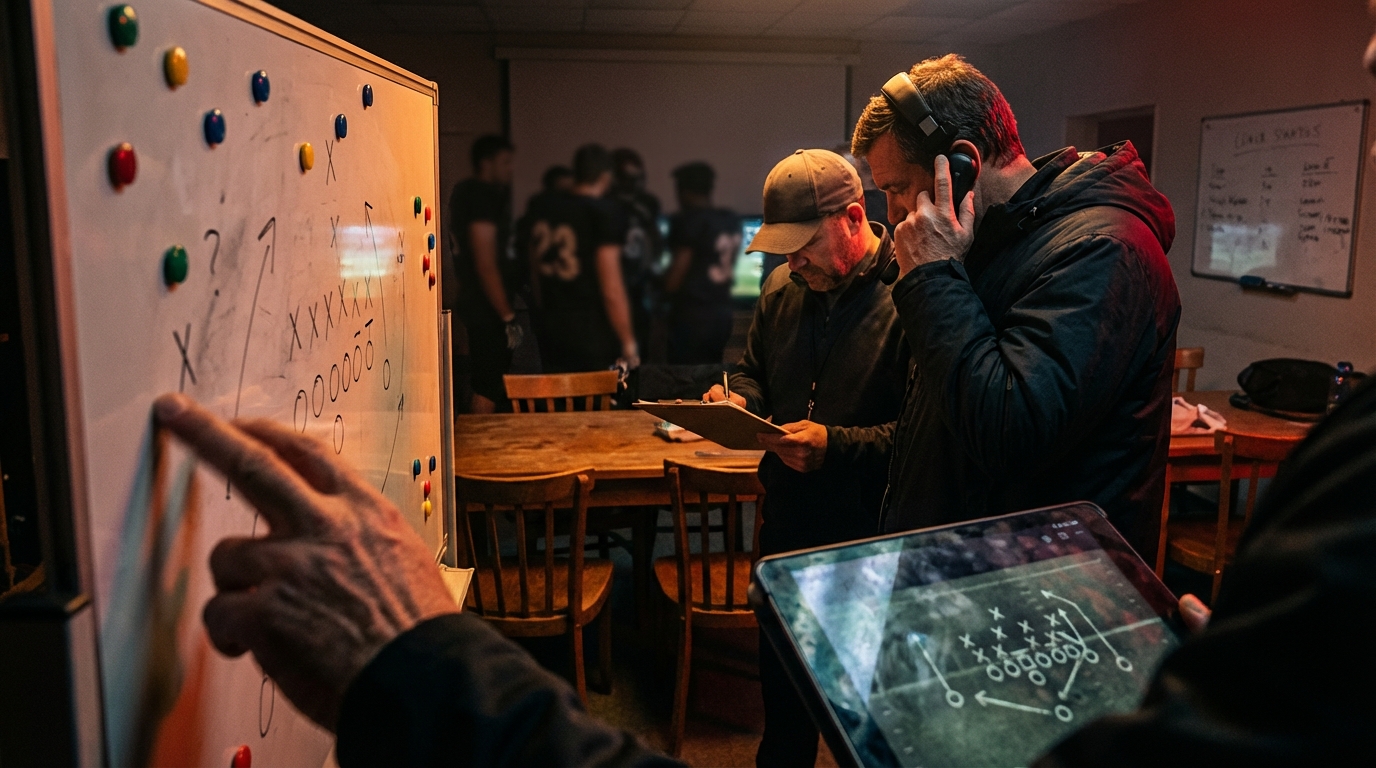
Kane Wommack treats film like a scalpel. He isolates reps, tendencies, and footwork. Therefore he can spot micro-trends that matter on game day. In one revealing story, Wommack detailed watching tape of the Mercer Bears and Auburn Tigers from last November. He did that before recruiting Carmelo O’Neal through the transfer portal. That session showed him matchup windows and route concepts few coaches catalogued.
How a Mercer tape session shaped recruiting and depth
Wommack’s Mercer review had a practical outcome. He flagged a six-foot-four defensive back prototype who fit Auburn’s needs. As a result, Carmelo O’Neal entered conversations sooner. Because transfers alter depth charts quickly, Wommack’s early film study sped the process. Moreover, his notes helped coaches project O’Neal against slot receivers and boundary targets. The tape also highlighted Auburn tendencies after blowouts like their 62-17 route of an FCS squad. Coaches used that film to measure substitution patterns and blitz triggers.
Tactical implications for Iron Bowl prep for Auburn football
Scouting influences game planning in three ways. First, it informs matchup assignments and cornerback usage. Second, it refines pressure packages to exploit protection weaknesses. Third, it guides personnel decisions late in camp. For example, Deuce Knight’s sudden surge the week before the Iron Bowl changed how defenders were coached. Because he had limited college snaps, coaches debated keeping his redshirt. Yet his production forced new coverage reps.
Broader effects on Auburn’s scheme and Alabama’s defense
Wommack’s work matters to opponents too. When staffers trace his tendencies, they prepare counters. Therefore Alabama’s defensive staff must anticipate how Auburn mixes press looks with zone drops. DJ Durkin and staff will study those cues closely. Likewise, analysts tracking transfers and recruiting turns can see why a single film session matters. For a deeper look at Alabama’s broader CFP hopes and season context, see this analysis: Alabama’s 2026 Season Analysis.
Bottom line
Wommack’s film room habits blend scouting and recruiting. As a result, small observations become roster moves. Consequently Iron Bowl prep for Auburn football gains an extra edge. That edge can tilt close games and influence playoff paths.
| Player | Position | Recent stat highlight | Recent performance | Role in Iron Bowl prep | Scouting notes |
|---|---|---|---|---|---|
| Carmelo O’Neal | Defensive back; 6-4 | Size prototype; contested catch ability | Identified via transfer portal after Mercer tape review | Boundary matchups; red zone coverage; press assignments | Tall frame; catch radius; projects well vs boundary receivers; flagged by Wommack’s Mercer review |
| Deuce Knight | Running back | 400+ yards and six TDs in week before Iron Bowl | Breakout surge then did not play in the 2025 Iron Bowl | Interior runner who forces linebackers to read run fits; can change blocking calls | High upside but only two college games; redshirt debate; matchup unknowns |
| Ashton Daniels | Quarterback | Availability concern | Not active in penultimate regular-season game | Dictates timing and package choices when healthy | Absence alters pass tempo and play calling; forces plan B scenarios |
Durkin’s defensive arc and adjustments
DJ Durkin rebuilt Alabama’s identity around stop-unit principles. He emphasized tackling technique, gap discipline, and situational pressure. As a result, the Tide improved third down defense in 2024 and 2025. Coaches made subtle schematic shifts to protect vulnerabilities. For example, they mixed more pattern-match drops with disguised blitzes. Therefore opponents found fewer easy completions over the middle. Durkin’s hands-on approach also changed personnel rotations. He gave younger linebackers clear roles in run fits. Consequently the staff trusted them in late-game situations.
How that affected Iron Bowl outcomes
The Iron Bowl requires flexible game plans. Durkin responded by tailoring looks to opponent tendencies. Against Auburn, he studied sudden threats like Deuce Knight. Because Knight exploded for 400 yards and six touchdowns the week before the Iron Bowl, Alabama adjusted run keys and safety alignments. However Knight did not play in the 2025 Iron Bowl. That absence created a strategic mismatch and altered both game plans. The 2025 result nearly shaped playoff math, and it forced coaches to ask “what if?” in the weeks after. Moreover the Rose Bowl loss to Indiana by 38 to 3 exposed coverage breakdowns. That game highlighted how matchup failures hurt Alabama’s national standing.
Tactical lessons carried into 2026
Durkin doubled down on detail work for 2026. He installed faster breakdown drills and more situational scripts. Likewise analysts emphasized film study of transfer portal additions. Therefore staffers tracked players like Carmelo O’Neal and their projected matchup value. Durkin also leaned on pressure timing to counter quick-release passing. As a result, Alabama looks better prepared for screen plays and jet sweeps. For opponents, this forces different tempo strategies.
Final read
Durkin proved adaptive across two seasons. His adjustments matter both on paper and the field. Consequently Alabama’s defense presents fewer soft spots. Yet small scouting advantages can still swing rivalry games. For that reason Iron Bowl prep remains a chess match of tweaks and trust.
Iron Bowl prep for Auburn football boils down to details. Kane Wommack’s film room habits show how small reads become big advantages. He scours tape, finds tendencies, and influences recruitment choices. Therefore his scouting altered Auburn’s roster and matchup plans.
The scouting narrative matters because it changes how coaches game-plan. For Alabama, DJ Durkin’s responses in 2024 and 2025 proved decisive. Those adjustments reduced exploitable areas, yet scouting edges still matter. As a result, rivalry games remain unpredictable.
For ongoing coverage, consult SECFB LLC: SECFB LLC. Follow game updates and analysis on Twitter/X at Zach Gatsby. These links provide deeper reads and season context.
Looking ahead, the next Iron Bowl will test who scouts smarter. Coaches will trade film notes, tweak schemes, and trust young players. Consequently one scouting discovery can swing a turnover, a critical stop, or the final drive. In short, the matchup will hinge on preparation, and the stakes remain national.
Frequently Asked Questions (FAQs)
What is the role of Kane Wommack in Iron Bowl prep for Auburn football?
Wommack leads film study and scouting. He isolates tendencies and matchup windows. Therefore he influences personnel decisions and recruiting moves.
How did Wommack’s Mercer tape review affect Auburn’s roster?
That session flagged Carmelo O’Neal as a fit. As a result, Auburn engaged the transfer portal earlier. Consequently coaches adjusted boundary coverage plans and red zone assignments.
How has DJ Durkin’s defense responded to Auburn’s threats?
Durkin tightened gap discipline and refined pattern-match coverages. He emphasized situational pressure and tackling technique. Therefore Alabama reduced easy completions and improved third down stops.
What impact does the transfer portal have on Iron Bowl preparation?
The portal shortens time to establish depth. Teams must quickly scout new additions and project matchups. Because of that, early film study gains outsized value before rivalry week.
What should fans watch for in the next Iron Bowl?
Watch matchup adjustments, personnel rotations, and pressure timing. Also track availability of players like Ashton Daniels and Deuce Knight. Small scouting edges often decide close rivalry games.